Brands
Hindi cinema royalty’s and fintech mogul’s bid to shake up India’s spirits trade

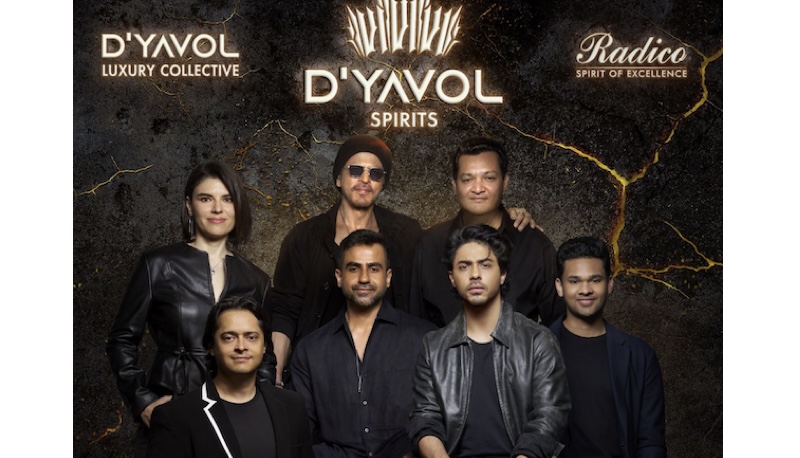
MUMBAI: India’s premium spirits market has attracted an unlikely trio: Hindi cinema superstar Shah Rukh Khan, Zerodha co-founder Nikhil Kamath, and established liquor manufacturer Radico Khaitan. Their joint venture, D’yavol Spirits, promises to blur the lines between celebrity endorsement and serious entrepreneurship in India’s rapidly premiumising alcohol sector.
The partnership announced on 12 August brings together SRK’s global star power, Kamath’s disruptive business instincts, and Radico Khaitan’s manufacturing prowess. The venture will launch with a luxury tequila, targeting both domestic consumers and international markets with what the partners describe as “bottled-in-origin” products carrying “rich regional provenance.”
The collaboration reflects India’s evolving relationship with premium alcohol. Domestic consumption has shifted dramatically upmarket as disposable incomes rise and social attitudes liberalise. Premium spirits now command growing shelf space in urban markets, whilst younger consumers increasingly view expensive liquor as lifestyle statements rather than mere intoxicants.
For Radico Khaitan, the partnership represents a calculated bet on celebrity-backed brands. The Uttar Pradesh-based company has built a portfolio around traditional Indian spirits like whisky and rum, but faces intensifying competition from international brands and craft distilleries. Abhishek Khaitan, the company’s managing director, frames the venture as combining “proven expertise in blending, marketing and distribution” with celebrity charisma.
SRK’s involvement extends beyond typical endorsement deals. His son Aryan Khan co-founded D’yavol Luxury Collective, which already produces award-winning spirits in smaller quantities. The family’s deeper engagement suggests genuine entrepreneurial ambition rather than mere brand licensing.
More intriguing is Kamath’s participation. The Zerodha co-founder has emerged as one of India’s most prominent fintech entrepreneurs, building a discount brokerage that democratised stock trading for millions of Indians. His pivot into premium alcohol signals confidence in India’s luxury consumption trends.
“Tomorrow’s best brands will be built on history, culture, and craftsmanship,” Kamath said, positioning D’yavol as an “Indian brand with the intent and ability to compete anywhere in the world.”
Such ambitions face considerable hurdles. India’s alcohol market remains heavily regulated, with individual states controlling distribution and taxation. Export opportunities exist but require navigating complex international regulations and established brand loyalties.
Moreover, celebrity-backed spirit brands have mixed track records globally. Whilst some achieve genuine commercial success, others struggle once initial publicity fades. The key lies in building authentic brand narratives beyond celebrity association.
D’yavol’s emphasis on “cultural resonance” and “globally-sourced bottled-in-origin products” suggests awareness of these challenges. The brand promises to combine international production standards with Indian creative vision, potentially appealing to both domestic premium consumers and diaspora markets.
The timing appears favourable. India’s premium spirits segment is growing rapidly, driven by urbanisation and generational change. Meanwhile, Indian brands are gaining international recognition across categories from fashion to technology.
Whether D’yavol can translate celebrity star power and entrepreneurial expertise into sustained commercial success remains uncertain. The spirits industry demands patience, consistency, and deep market understanding—qualities that don’t always align with celebrity timelines or disruptive business models.
For now, the partnership represents another data point in India’s premiumisation story. As domestic consumers develop more sophisticated tastes and global ambitions, expect more unlikely collaborations between entertainment, technology, and traditional industries.
The proof, as always in the spirits trade, will be in the drinking.






