Brands
Chhota Bheem leaps from screen to snack bar

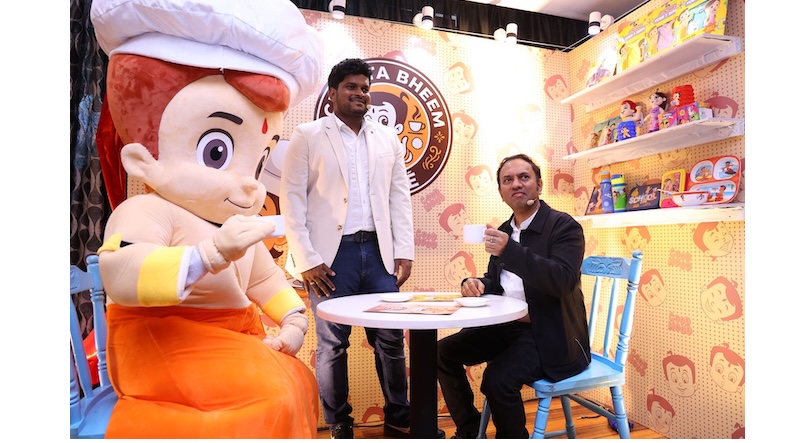
HYDERABAD: India’s most popular animated character is hoping to strike gold by jumping off the telly and into the kitchen. Green Gold Animation, creator of Chhota Bheem, has partnered with EBG Group to launch India’s first Chhota Bheem-themed cafes—a Rs 200 crore bet that children’s entertainment can translate into family dining gold.
The first two outlets will open in Hyderabad’s Hitech City by December 2025, with an ambitious rollout of 50 cafes planned for 2026 and 300 across India thereafter. The venture could eventually expand globally, say the partners.
The cafes will come in two formats: a compact 25 x 40 ft express model and a larger 50 x 40 ft full-scale version. Franchise partners will stump up the capital whilst EBG manages operations, branding and training under a company-owned, company-operated model. The expansion is expected to create over 250 jobs, from chefs to merchandising staff.
Far from being mere eateries, these venues promise interactive play zones, storytelling corners, licensed merchandise and activities featuring Chhota Bheem, Chutki, Mighty Raju and other characters from Green Gold’s stable. The aim is to create what the partners call a “360-degree family entertainment ecosystem” where dining meets play.
Green Gold Animation founder & chief executive Rajiv Chilaka said: “Over the last 17 years, Chhota Bheem has grown beyond being just an animated character to becoming a cultural phenomenon loved by millions of children and families across India and beyond. This partnership allows us to extend this universe into a unique, real-world experience.”
Added EBG group founder & chief executive Irfan Khan: “This is not just about food, but about creating joyful experiences that families will cherish.”
Green Gold Animation, founded in 2001, has produced over 30,000 minutes of content across television, film and digital platforms. Its shows reach viewers in more than 100 countries through partnerships with Netflix, Amazon Prime Video and Warner Bros Discovery. EBG Group is a multi-sector conglomerate spanning mobility, health, property, lifestyle, food, services, technology and education.