MAM
Amul Macho wages war against Lux Cozi in a ‘battle of the boxers’

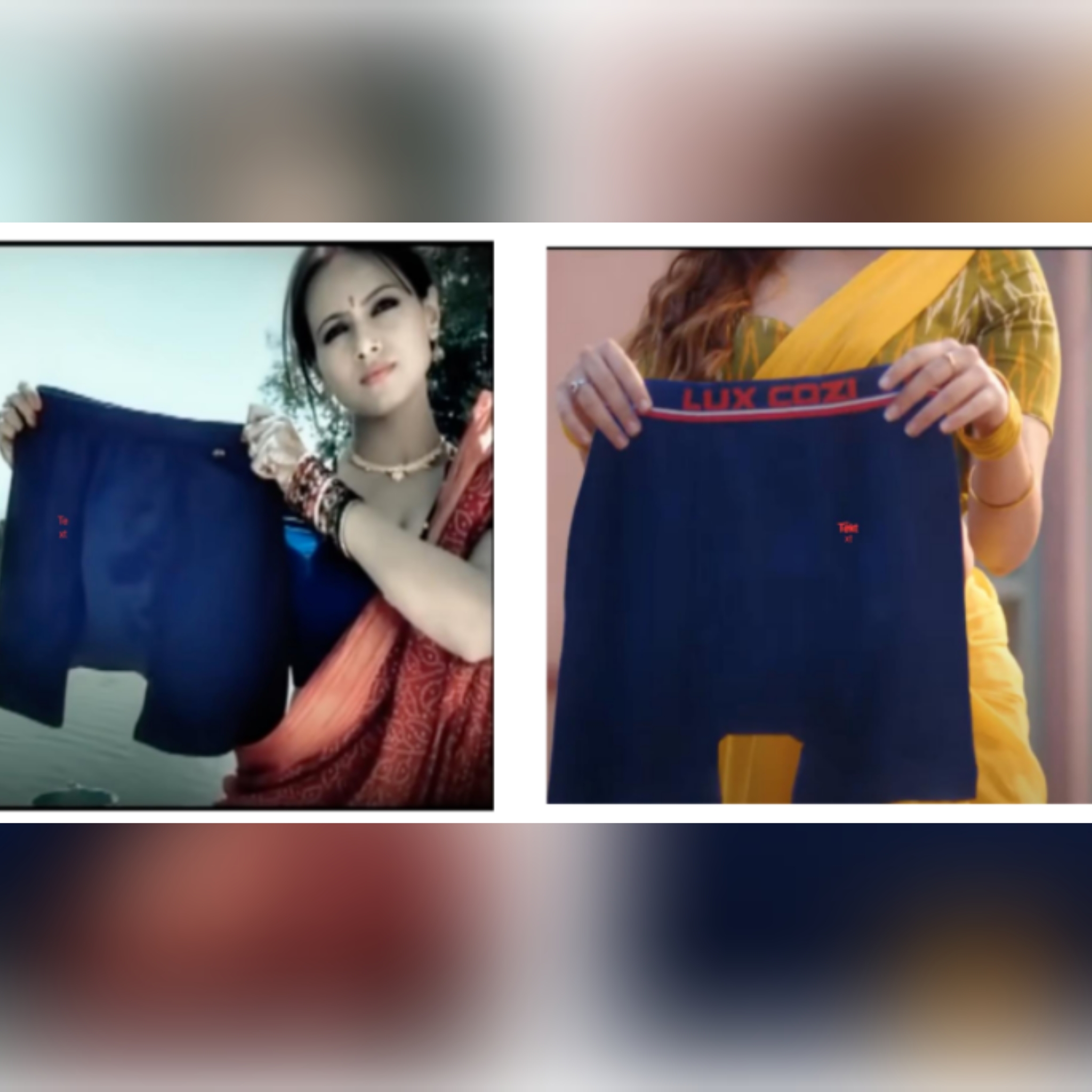
Mumbai: In what can be termed as a ‘battle of the boxers’, men’s innerwear brand Amul Macho has alleged that another Indian brand of men’s innerwear, Lux Cozi has “blatantly copied” its Amul Macho ‘Toing’ ad from 2007. J G Hosiery Pvt Ltd, the makers of Macho Innerwear, has complained to the Advertising Standards Council of India (ASCI) regarding what it calls “blatant plagiarism”.
According to Amul Macho, the recently released Lux Cozi ad, featuring actor Varun Dhawan, that is currently being aired on various news channels and on Sony TV, appears to take more than just inspiration from the popular Amul Macho ad with the tagline “Ye To Bada Toing Hai”.
“We find it shocking that a worthy and esteemed competitor appears to want to ride on the creative success of a brand that’s a market leader in its category, by blatantly copying its popular ad concept and executional elements. We hope good reason will prevail and the copied ad will be withdrawn forthwith,” said JG Hosiery Pvt Ltd, CEO, Navin Seksaria.
The company finds the premise of the ad by Lux Cozi to be identical to the Amul Macho Toing ad and the storyline of the Lux Cozi ad to be strikingly similar to their own creative asset.
“It’s a matter of deep concern to J G Hosiery that the woman in the Lux Cozi ad holds up the Lux Cozi underwear to show that her man wears Lux Cozi, implying that Varun Dhawan should stay away, in a similar manner to how it was held up by Sana Khan in the Amul Macho Toing ad,” stated Madison Communications on behalf of Amul Macho in a note to the press. “Amul Innerwear team takes the matter of their creative asset being copied very seriously, believing that the visual similarity of the two ads cannot be a mere coincidence. Both women in the two respective ads hold up the underwear to make a statement about the fact that, ‘My man wears this’.”
Amul Macho further noted that the similarity between the two ads does not end there but has so many common executional elements that JG Hosiery has felt compelled to “call out the copy-cat work and point out what appears to be an opportunistic brand building attempt by Lux Cozi.”
The various executional elements of the Lux Cozi ad film that Amul Macho has taken objection to, include the colour and shape of the underwear used in the former’s ad, the way the woman holds up the object of contention and even the specific expressions of the supporting cast when they see the product in question, apart from the music theme and the setting of the film.
It further alleged that the Lux Cozi ad unfairly tries to take advantage of the brand equity, reputation and goodwill generated by the Amul Macho toing ad, by copying both the concept and executional elements of the brand’s popular ad film and must therefore be restrained from being aired.
Under the fourth chapter related to fairness in competition, the ACSI code states that: “Advertisements shall not be similar to any other advertiser’s earlier run advertisements in general layout, copy, slogans, visual presentations, music or sound effects, so as to suggest plagiarism.”
“While the ASCI code allows competitive advertising including naming a competitor so long as the comparison is fair, plagiarism is making use of someone else’s goodwill or effort for your own benefit, which is a violation of the ASCI code,” ASCI general secretary Manisha Kapoor told IndianTelevision.com, adding that, “A complaint that comes to us will need to be examined more specifically with regards to its elements, and taken through the due process to determine if plagiarism is suggested.”
With regards to this latest complaint of plagiarism, Kapoor stated that any complaint processed by ASCI allows for both the complainant and advertiser views to be tabled, and only after taking into account all the evidence presented, the consumer complaints council will make a recommendation.
Meanwhile, Lux has refuted the allegations made by its competitor. “Our TVC is based on an original idea and conceptualised by our creative agency and is not inspired or motivated by any borrowed ideas,” a Lux Industries spokesperson told ET Brand Equity, further adding, “We feel that the competition is feeling threatened by the success of our TVC and is levelling baseless allegations.”
Yellow Beetle, the agency behind the ad’s concept represented by Daven Munjal, stated, “We wanted to give a new dimension to the Lux Cozi communication, we conceptualised the commercial with the clear aim to target the youth, the commercial has freshness and has the flavour of naughtiness and tongue in cheek communication.”