MAM
Havas Group India restructures Havas Worldwide (Creative) leadership
New Delhi: Havas Group India has elevated Arindam Sengupta as chief client officer of Havas Worldwide India and head – Group Integration, here on Thursday. He was previously managing partner – West & South.
The announcement is part of the phased restructuring of the Havas Worldwide (Creative) leadership that comes on the back of the company’s recent growth.
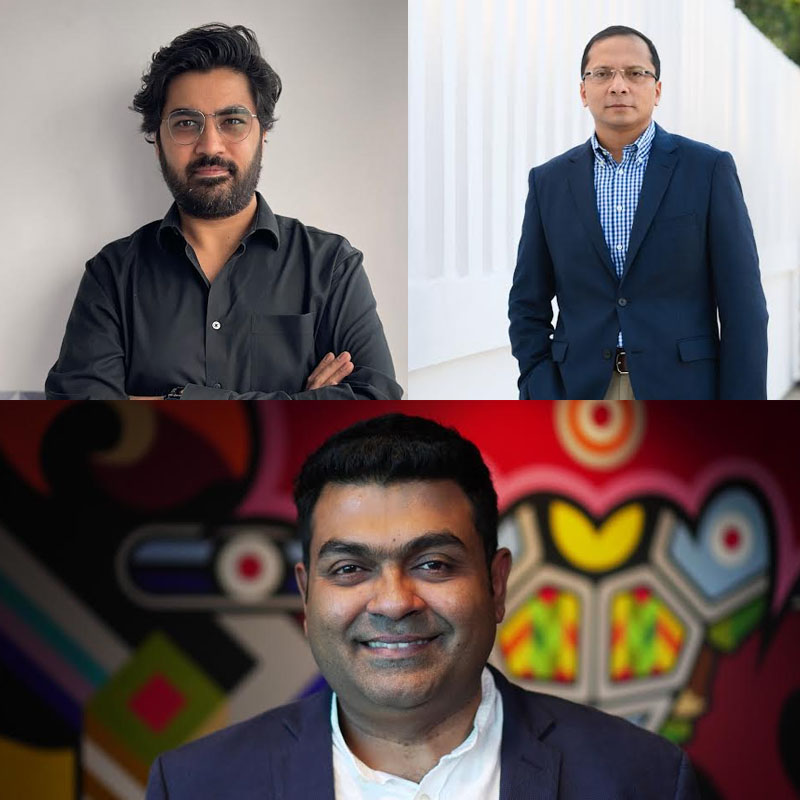
Sengupta will also continue to head the French automobile brand Citroen India, and other key clients of Havas Worldwide India. As head of integration, he will work closely with the leadership team of all the Havas Group companies, drive higher growth and business collaboration, which will dovetail into the overall Better Together philosophy of Havas Group India, it said in a statement.
The agency has also promoted Havas CX executive vice president and business head Prashant Tekwani who will now additionally also head the Mumbai operations of Havas Worldwide India, working closely with Manas Lahiri. He will continue to lead and build Havas CX which was launched in India in late 2020, and accelerate digital transformation and consumer experience-led brand strategies.
Arindam and Prashant (as head of Havas CX) will continue to report to Group head Rana Barua and work closely with the senior leadership of Havas creative and the group companies, according to the statement.
Prior to this, the agency had promoted Manas Lahiri as managing director and Ravinder Siwach as ED & national creative director of Havas Worldwide India, respectively.
Havas Group India – Group CEO Rana Barua said, “Despite the challenges of the last two years, as a network, we have witnessed unprecedented growth through new business wins, acquisitions and extending several global expertise to India. All of which has helped us build a marquee list of new clients and partnerships. Havas Group India has emerged as one of the strongest integrated networks in India, offering our clients effective solutions through collaboration and coming together of the best talent and expertise.”

MAM
Strategy, storytelling and leadership: The expanding role of women in marketing communications
By Masuma Siddique, Founder & Chief Strategist, InkCraft Communications
MUMBAI: When I began my journey in communications over a decade and a half ago, the marketing and PR landscape looked very different. Conversations around brand building were often dominated by traditional advertising approaches, and communications was largely seen as a supporting function rather than a strategic one. Over the years, however, I have witnessed a powerful shift not only in how brands communicate, but also in who is shaping those conversations.
Today, women are playing an increasingly influential role in defining modern marketing communications. From strategy and storytelling to reputation management and audience engagement, female leaders are helping brands move beyond transactional messaging toward narratives that are more human, empathetic, and purpose driven.
In many ways, this shift is not accidental. Women have always been natural storytellers, communicators, and relationship builders. In an industry that now relies heavily on authenticity, emotional intelligence, and audience understanding, these strengths are becoming central to effective brand leadership.
Marketing today is no longer about simply broadcasting a message. It is about building a conversation. Brands are expected to have a point of view, to stand for something meaningful, and to engage audiences across multiple platforms in ways that feel genuine and relevant. This is where storytelling becomes a strategic tool rather than just a creative exercise.
In my own experience building InkCraft Communications, I have seen firsthand how powerful strategic storytelling can be. A brand’s narrative has the ability to shape perception, influence trust, and create lasting connections with audiences. When done right, it transforms marketing from promotion into reputation building.
What makes this moment particularly exciting is that women are not only participating in this evolution; they are helping lead it. Across agencies, brand teams, and media platforms, women are stepping into leadership roles where they are defining communication strategies, guiding brand voices, and influencing how businesses engage with the world.
However, the journey has not always been straightforward. Like many industries, marketing and communications has historically presented challenges for women seeking leadership positions. Early in my career, I often found that women were encouraged to contribute creatively but were not always positioned as strategic decision makers. That dynamic is gradually changing as more women claim space at the leadership table and demonstrate the value of perspective driven thinking.
One of the most significant changes I have observed is the growing recognition that communications must be integrated with business strategy. PR is no longer just about media coverage, and marketing is no longer just about campaigns. Today’s brands require holistic communication frameworks that combine narrative building, digital amplification, influencer engagement, and reputation management.
Women leaders are increasingly driving this integrated approach. Many bring a collaborative leadership style that values insight, adaptability, and cross functional thinking. In an environment where consumer attention is fragmented and trust is fragile, this ability to balance creativity with strategic thinking is invaluable.
Another important dimension of women’s growing influence in marketing communications is the emphasis on authenticity. Audiences today are far more discerning than they were even five years ago. They can quickly identify messaging that feels performative or disconnected from reality. As communicators, we have a responsibility to ensure that brand narratives reflect genuine values rather than superficial positioning.
In my view, effective storytelling begins with listening. Before shaping a narrative, we must understand the audience, the cultural context, and the broader conversation taking place in society. Women leaders often bring a strong sense of empathy and contextual awareness to this process, allowing brands to communicate in ways that feel relevant and responsible.
At the same time, the expanding role of women in marketing communications also carries an important responsibility. As more women step into leadership positions, we have the opportunity to mentor emerging professionals and create environments where diverse voices can thrive. The next generation of communicators will shape how brands engage with audiences in an increasingly complex digital world, and it is essential that they feel empowered to bring fresh perspectives to the table.
Looking ahead, the future of marketing communications will be defined by agility, credibility, and meaningful storytelling. Brands will need to move faster, communicate more transparently, and adapt constantly to evolving consumer expectations. In this environment, strategic communicators who understand both narrative and business objectives will play a critical role in guiding organizations forward.
For women in the industry, this is an exciting time. The boundaries between marketing, media, and culture are becoming more fluid, creating new opportunities to influence how brands show up in the world. With the right combination of strategy, creativity, and leadership, women are not only shaping the future of communications, they are redefining what modern brand leadership looks like.
Ultimately, storytelling is about more than messaging. It is about impact. And when women lead with strategy, empathy, and vision, the stories they help build have the power to resonate far beyond the campaign itself.





