iWorld
Kiran Mani-speak about Indian OTT at the India Digital Summit

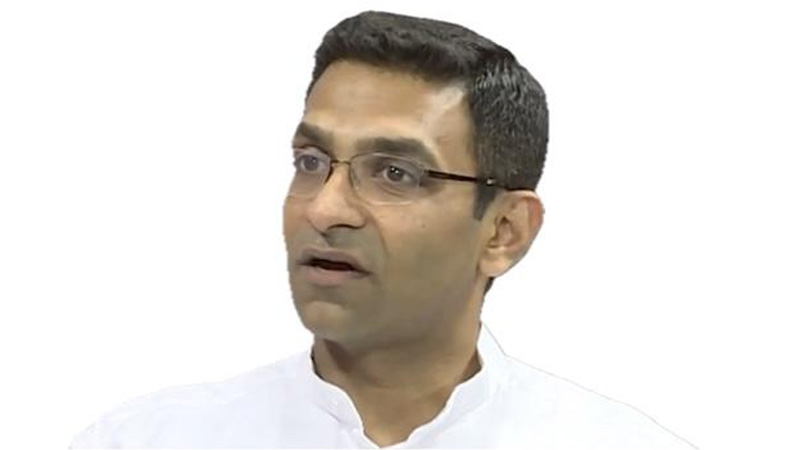
MUMBAI: During the India Digital Summit, Kiran Mani, CEO – Digital at Jio Star, spoke compellingly about the urgent need for the over-the-top (OTT) industry to embrace multiple economic models beyond the traditional revenue streams of advertising and subscription. Engaging in a lively fireside chat with Ashish Pherwani of EY India, Mani underlined that sustainable storytelling in the digital age hinges on innovative business strategies.
“If you want to justify the economics of storytelling, it has to follow more economic models,” Mani stated, emphasising that a reliance solely on advertising is inadequate. He expressed optimism about the growth potential of both advertising and subscription revenues in India due to robust economic tailwinds. However, he also noted that the true potential of the subscription market has yet to be realised.
To illustrate this point, Mani provided striking statistics indicating that while India boasts a massive 700-million OTT viewership base, the actual number of subscriptions currently stands at around 60 to 70 million. He attributed part of this gap to challenges in the payment gateways available in India, stating, “Payment gateways are built for transactions, not for mandates,” which hinders the ability for consumers to engage in subscription models effectively.
Mani highlighted the extraordinary success of Jio Cinema Premium, which gained an impressive 20 million subscribers in record time. This achievement was largely driven by the platform’s disruptive pricing strategy of just Rs 29, which strategically bypassed middlemen to reach consumers directly. He commented on existing subscription models, saying, “A one-size-fits-all subscription, saying that you can eat all the menu items in a buffet for a fixed price, has its limitations.”
Drawing on his previous role at Google, Mani criticised the outdated methods commonly used in the advertising sector, which he argued are overly reliant on gut feelings rather than data. “We’re still at the early stages of adopting a data-driven approach to consumer targeting,” he acknowledged. “Once we fully embrace it, we’ll realize we’ve been overspending money in cities while neglecting smaller towns.” Mani assured attendees that the future of advertising will be marked by continued growth and the need for more informed marketing decisions.
He further pointed out the ineffectiveness of a one-size-fits-all advertising model, stating that platforms which focus solely on brand advertising have specific limitations. “What we offer our advertisers is a dual approach. We say, yes, we are a mass-reach platform, and we will always get you the reach, but we also offer a premium reach platform,” he said.
As Jio Star—formed from the merger of Star India and Viacom18—continues navigating the rapidly expanding digital ecosystem, Mani noted an exhilarating convergence of connectivity and creativity. “India today is a billion-screen connected audience,” he emphasized, highlighting how various content segments—sports, entertainment, short-form content, and gaming—are flourishing. He credited the influx of venture capitalists into nearly every area of this ecosystem as a testament to the ongoing growth.

Mani also pointed out the seismic shift in the media landscape, noting that digital has recently overtaken television to become the largest segment of the Indian media sector. “There are 325 million households in India, yet the number of households actually paying for digital content remains below 15 million,” he stated, raising important questions about whether digital will ever become a mass product or if subscription models will be left behind compared to traditional TV.
The CEO was particularly encouraged by the emergence of audiences from Tier 2 and Tier 3 towns, many of whom are gaining access to content for the first time through affordable devices costing less than Rs 5,000. He remarked on the impact of live-streaming events like the IPL on JioCinema, stating, “We saw six million viewers who were previously content-dark join our platform.” This underscores how OTT platforms are unlocking a broader content segment in terms of both depth and reach.
Mani elaborated on the necessity for subscriptions to adopt sustainable economic models, stressing that “advertising alone cannot support premium content or great storytelling.” He urged industry stakeholders to unlock better economic models while ensuring sustainability for everyone involved. He asserted, “The digital ad market in India is now valued at $9 billion.”
He elaborated further on the complexities of advertising, stating, “Advertising is about reaching consumers and delivering value. Our role is to ensure advertisers see impactful returns.” With an expanding middle-class consumer base, Mani believes India’s advertising market will surely grow. Nonetheless, he cautioned that the market still operates with outdated practices, such as generic solution models that fail to meet diverse audience needs.
A noteworthy point in Mani’s discussion was the evolving nature of storytelling in Indian entertainment. He mentioned that narratives are transitioning from “Shiksha” (education) and “Sushil” (docile) to “Saksham” (empowerment) and “Swabhiman” (self-respect), reflecting broader societal progress in India.
Multi-lingual content also emerged as a focal point, especially in sporting and international contexts. Mani proudly remarked on JioStar’s multilingual broadcast of the Olympics, which garnered a seven-fold increase in viewership, adding, “Hindi is now the number one language for Hollywood viewership in India.”
When prompted about his investment priorities, Mani chose to invest in platforms over content production or e-commerce, stating, “Platforms scale creativity and monetization like nothing else.” He underlined the transformative power of connectivity in driving the next wave of growth.
In concluding his remarks, Mani addressed the collective responsibility of the media and tech industries. “As content creators, we must prioritize sustainability in storytelling,” he urged. “For me, I owe it to you all to build a platform where monetization models extend beyond just advertising or subscriptions.”
Key Points:
* The OTT industry needs to diversify its economic models beyond traditional revenue streams of advertising and subscription.
* Relying solely on advertising is insufficient for building a sustainable OTT ecosystem.
* The true potential of the subscription market is yet to be unlocked.
* Payment gateways in India are built for transactions, not for mandates.
* A data-driven approach to consumer targeting is necessary for effective advertising.
* A one-size-fits-all approach is ineffective in advertising.
* The digital ad market in India is valued at $9 billion.
* Advertising is about reaching consumers and delivering value to advertisers.
* Sustainable economic models are necessary for the OTT industry.