Brands
Coca-Cola, PepsiCo add QR codes to boost ingredient transparency
Consumers can scan packs to access details on 140 PLUS beverage ingredients.

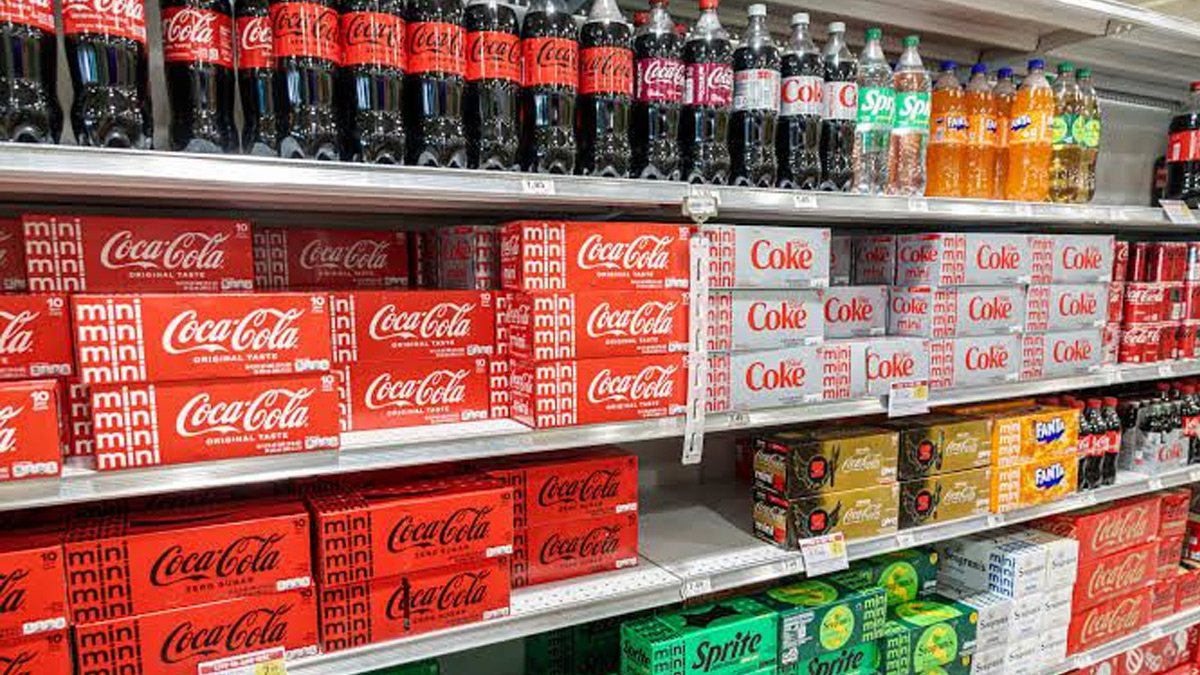
MUMBAI: Fizz meets facts as beverage giants put ingredient information just a scan away. Major beverage companies including Coca-Cola, PepsiCo, Red Bull and Keurig Dr Pepper are rolling out QR codes across product packaging in the United States, giving consumers direct access to detailed information about the ingredients in their drinks as transparency becomes a growing battleground in the food and beverage industry.
The initiative, led by the American Beverage Association (ABA), will allow shoppers to scan QR codes and visit GoodToKnowFacts.org, a platform that provides information on more than 140 commonly used beverage ingredients. The website explains how ingredients are used and includes references to reviews and approvals from regulators such as the US Food and Drug Administration (FDA), the European Food Safety Authority and Health Canada.
The rollout is already underway. PepsiCo has begun linking products to the platform, while Coca-Cola is expected to complete implementation within the month. Keurig Dr Pepper plans to introduce the feature later this year.
The move comes as consumers pay closer attention to what goes into their drinks. According to an EY survey, six in ten consumers now consider ingredients when making beverage choices, highlighting a broader shift towards informed purchasing decisions.
That shift is also being fuelled by the growing popularity of nutrition-scanning apps such as Yuka, Bobby Approved and Zoe. Industry data suggests around 25 per cent of Americans use nutrition apps, while 63 per cent of users trust these platforms as much as information provided directly by brands.
For beverage makers, the QR-code initiative is as much about accessibility as it is about transparency. Rather than searching through multiple sources, consumers can access ingredient information instantly through their smartphones.
However, the initiative has its limitations. While the website provides information on individual ingredients, it does not offer product-specific breakdowns. Consumers will still need to consult packaging labels to determine the exact ingredients used in a particular drink.
The rollout also arrives amid heightened policy scrutiny in the United States. US Health and Human Services Secretary Robert F. Kennedy Jr. has called for greater examination of food and beverage ingredients and has repeatedly criticised high sugar consumption as part of a wider public health agenda.
Not everyone is convinced that industry-led transparency is enough. Some public health experts argue consumers should also seek independent sources when evaluating ingredient safety and nutritional impact.
Even so, the initiative signals a growing recognition that today’s consumers want more than a catchy brand slogan. In an era where a smartphone scan can influence a purchase decision, beverage companies are betting that a little more information could go a long way towards building trust.