MAM
Z’s late football tackle could decide its sporting future
The network has begun its lonesome journey to becoming a major in sports broadcasting.

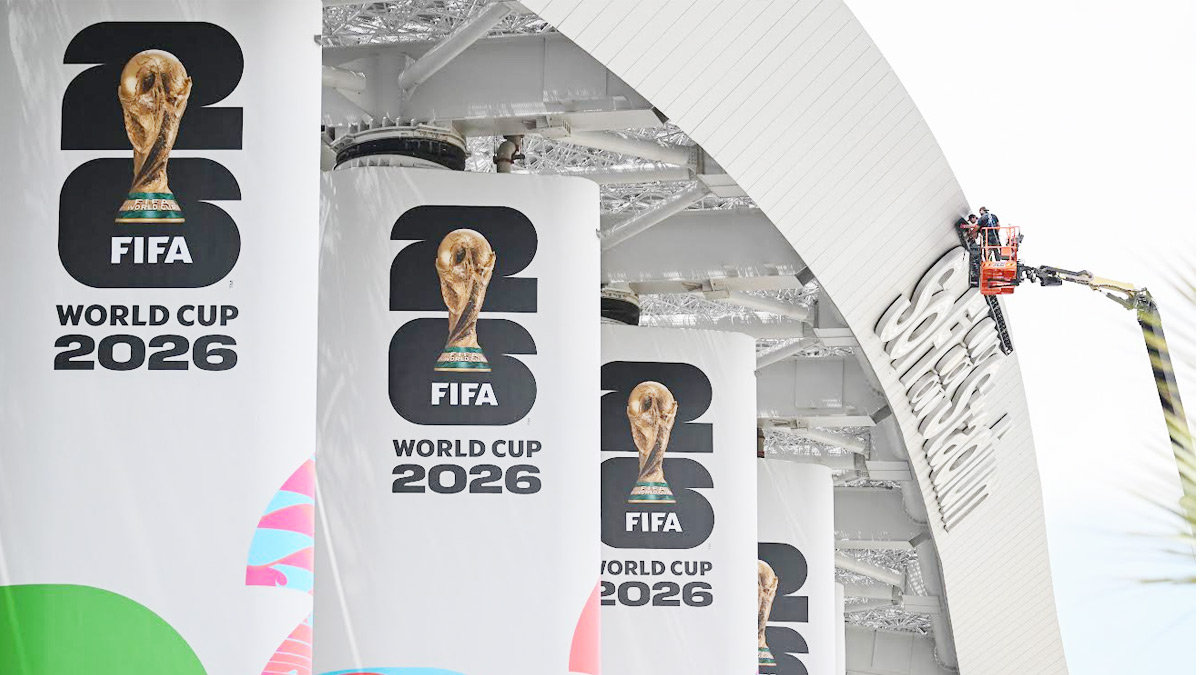
MUMBAI: Ten days. That is how long Zee Entertainment Enterprises had to sell, promote and programme its way into the FIFA World Cup before the first whistle blew in North America. On 1 June the broadcaster, fronted by Punit Goenka, announced it had grabbed Indian rights to the tournament and 38 other FIFA properties through to 2034, for a sum reported at around $40m. It is a steal by the standards of the previous cycle, when Viacom18 paid roughly $60m for the 2022 edition alone. But a bargain price for unsold goods is not the same as a bargain, and Z now has to prove that football, kabaddi and the rest of its new sports portfolio can be turned from a marketing flourish into a money-spinner.
The backstory matters. FIFA had wanted $100m for the Indian package covering 2026 and 2030, then slashed it to $60m, and still found no takers among the big beasts. JioStar, the Reliance-Disney leviathan that already owns the Indian Premier League and the English Premier League, reportedly offered as little as $15m before walking away. Sony did not bother bidding at all. That Z stepped in at the eleventh hour says as much about the state of India’s sports-rights market, gorged on cricket and wary of football’s patchy local following, as it does about Z’s own ambitions.
Advertisers are unlikely to be coy, whatever the timing. Brand teams in India do not need months of notice to associate themselves with the World Cup; the tournament sells itself, and spot rates during marquee matches will find buyers regardless of when the channel went live. The bigger worry is the quality of the inventory around the showpiece games. Z has launched four new linear channels under the Unite8 banner, two in Hindi and two in English, alongside a presence on Z5, its streaming arm. Building an audience for the group-stage fixtures featuring teams nobody in Mumbai has heard of is a rather different proposition from selling out the final. Sponsors will pay handsomely for reach during the tournament itself; whether they stick around for the Futsal World Cup or the under-17 girls’ tournament is another matter entirely.
Money over the eight-year term is the trickier question. At $40m for 39 properties stretching to 2034, the headline price looks cheap, but football in India remains a minority sport by television standards, and live rights are only valuable if enough people tune in to justify the advertising and subscription rates that follow. Z will need the 2026 World Cup to do the heavy lifting of building habit and brand association, because the 2027 Women’s World Cup, the various age-group tournaments and the futsal competitions are unlikely to draw crowds on their own. The real test comes at the next men’s World Cup in 2030, when Z’s contract already covers the rights and the channel will need to show it has built a genuine following rather than a one-tournament spike.
This is where the “local sports” piece becomes more than a footnote. Unite8 is not just a football vehicle; it is also positioned to carry kabaddi, badminton, wrestling and combat sports, areas where JioStar’s cricket-and-football fortress leaves gaps. For a company still digesting the collapse of its merger with Sony and carrying the scars of years of governance troubles, a diversified sports portfolio is a sensible hedge against football flopping. Kabaddi already has a domestic league with a loyal following; wrestling and combat sports tap into a fast-growing fan base for mixed martial arts. If Z can knit these together with football under one sports brand, it builds something closer to a year-round sports network than a World Cup pop-up.
Football is not arriving on an empty shelf. Z already holds Indian television rights to the men’s and under-19 events run by the International Cricket Council, including the T20 World Cup and the 2027 Cricket World Cup, licensed from Disney Star back in 2022. It has broadcast the ILT20 franchise league from the UAE, and in November last year its Zee Sports arm struck a three-year broadcast and digital deal with the UP Kabaddi League, to be shown in Hindi and streamed on Z5. Bavesh Janavlekar, who doubles up as chief business officer of Unite8 Sports while also running Zee’s Marathi film cluster, has talked of building sports properties from scratch in the mould of Star’s Pro Kabaddi League, and of adding regional-language feeds in Tamil, Telugu and Kannada. On paper, then, Unite8 already looks less like a World Cup vanity project and more like the beginnings of a genuine multi-sport network, stitching together cricket, kabaddi, badminton, wrestling, boxing and now football under one roof.
For media agencies and brand custodians, who plan sponsorship spends years in advance and prize certainty almost as much as reach, will they bank on Z’s sports offerings? Will they commit across the full eight-year FIFA term regardless? Largely yes for the marquee moments: the World Cups themselves will draw upfront and in-match sponsorship from telecoms, e-commerce, fintech and consumer-durables brands chasing reach, much as they would on any platform holding the rights. But the steadier, season-on-season sponsorship money that funds a sports channel between tournaments, the sort that underwrites kabaddi leagues and badminton tours, depends on advertisers believing Z will still be solvent, still hold the rights and still be screening the matches in three years’ time. Z’s repeated promises of “growth and profitability” will need to be backed by clean quarters and timely payments to FIFA and other rights-holders if that scepticism is to fade.
To make the economics work, Z will need three things in short order. First, distribution muscle: Z5 must be bundled aggressively with telecom and broadband packages, the way JioStar uses Jio’s network to force-feed subscribers its sports content. Second, regional-language commentary, which has proved a reliable driver of engagement for cricket and could do the same for football among audiences in the south and east who have a stronger footballing culture than the Hindi heartland. Third, and most delicately, Z must avoid overpaying for whatever comes next. The temptation, having finally secured a seat at football’s table, will be to chase further properties to keep the channels fed. Discipline on pricing, the very trait that let Z pick up FIFA’s rights so cheaply this time, will be just as important when the next renewal comes around.
Z has bought itself a foothold in sport on the cheap, and a useful diversification away from its entertainment-channel heartland. Whether that foothold becomes a platform depends less on the World Cup itself, which will sell whatever happens, and rather more on the unglamorous tournaments and local sports in between. That is where subscribers, and sponsors, will decide whether Zee’s football adventure was a clever piece of opportunism or an expensive distraction.
Aurelian
The author is a Goa-based sports enthusiast