iWorld
WAVES OTT pitches a creator first model for audience growth
New WAVES OTT framework links content pitches with marketing plans and reach.

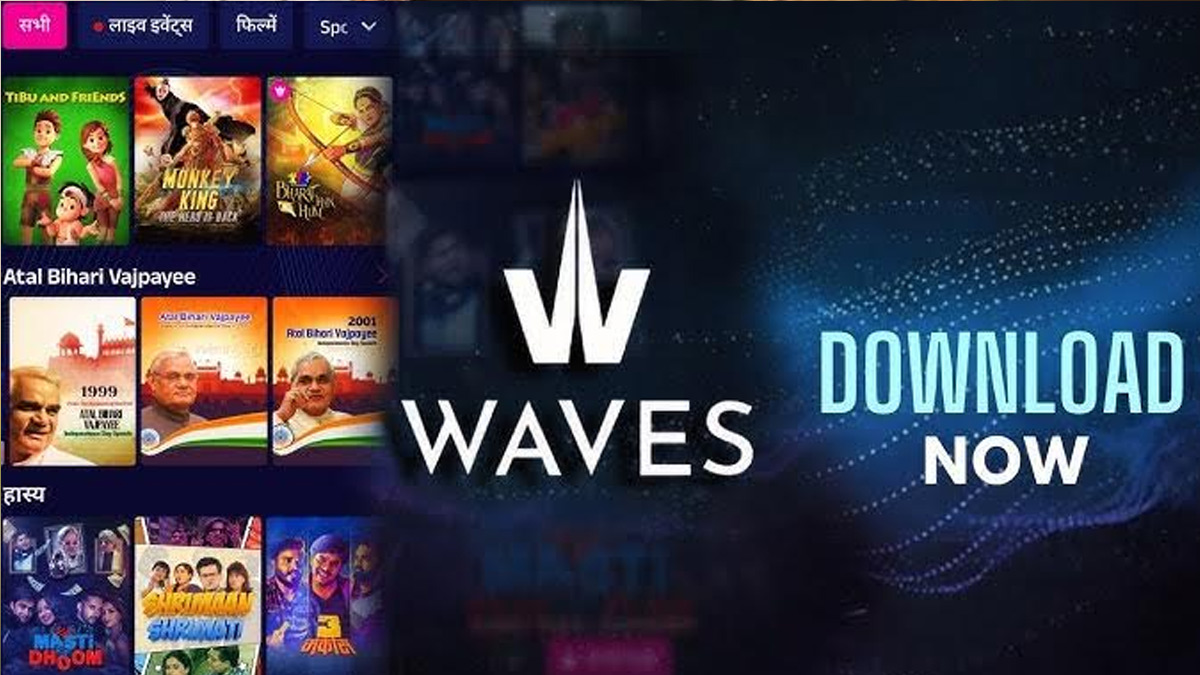
MUMBAI: Lights, camera, promotion. In the streaming age, making the show may no longer be enough, you may have to bring the crowd too. For decades, broadcasters followed a familiar script: commission content, market it heavily and deliver viewers to creators. Prasar Bharati’s latest framework for its WAVES OTT platform suggests that script is being rewritten. Under the public broadcaster’s newly released content proposal guidelines, creators, filmmakers and production houses seeking a place on WAVES OTT will be expected not only to develop content but also to actively help drive its discovery and consumption.
At the heart of the framework is a mandatory “Marketing, Outreach & Audience Engagement Plan”. Applicants must outline how they intend to promote their content through trailer launches, social media campaigns, influencer collaborations, digital marketing initiatives and community engagement programmes.
The requirements go beyond conventional content pitching. Creators are also expected to estimate audience reach, follower bases, viewer demographics, repeat-viewing potential and their ability to drive WAVES app downloads and registrations.
The language reflects a notable shift in how streaming platforms increasingly evaluate content. In a crowded OTT market, storytelling alone is no longer the only currency. Audience ownership, community engagement and digital influence have become equally valuable assets.
The move mirrors broader trends across the global creator economy, where platforms increasingly favour creators who arrive with loyal followings and built-in distribution networks. Rather than relying entirely on platform-led marketing, many digital businesses now expect creators to function as both content producers and audience acquisition engines.
For WAVES OTT, the strategy could offer a cost-efficient path to growth. Instead of competing solely through expensive original programming against platforms such as Netflix, Amazon Prime Video, JioHotstar and YouTube, the broadcaster appears to be building a creator-led ecosystem focused on engagement, discoverability and community-driven viewing.
The framework also places significant emphasis on short-form content, mobile-first storytelling and user-generated formats, while asking applicants to demonstrate potential for audience retention and repeat consumption metrics more commonly associated with recommendation algorithms and social platforms than traditional television ratings.
The approach may favour digital-native creators who understand online audience behaviour and have already cultivated engaged communities. However, it also raises the bar for smaller independent producers, who may now need marketing capabilities alongside creative credentials to compete effectively.
The underlying challenge is one confronting streaming businesses worldwide: discoverability. With viewers overwhelmed by choice and attention increasingly fragmented, platforms are searching for content that arrives with its own audience attached.
For Prasar Bharati, the bet appears clear. In an era ruled by algorithms, communities may matter as much as content libraries. And as streaming evolves, the most valuable asset may not be what creators make but who is already waiting to watch it.