MAM
Goafest 2026 Ajay Kakar says storytelling still rules ads
ABBY Awards chair says AI is a tool, but emotion drives creativity.

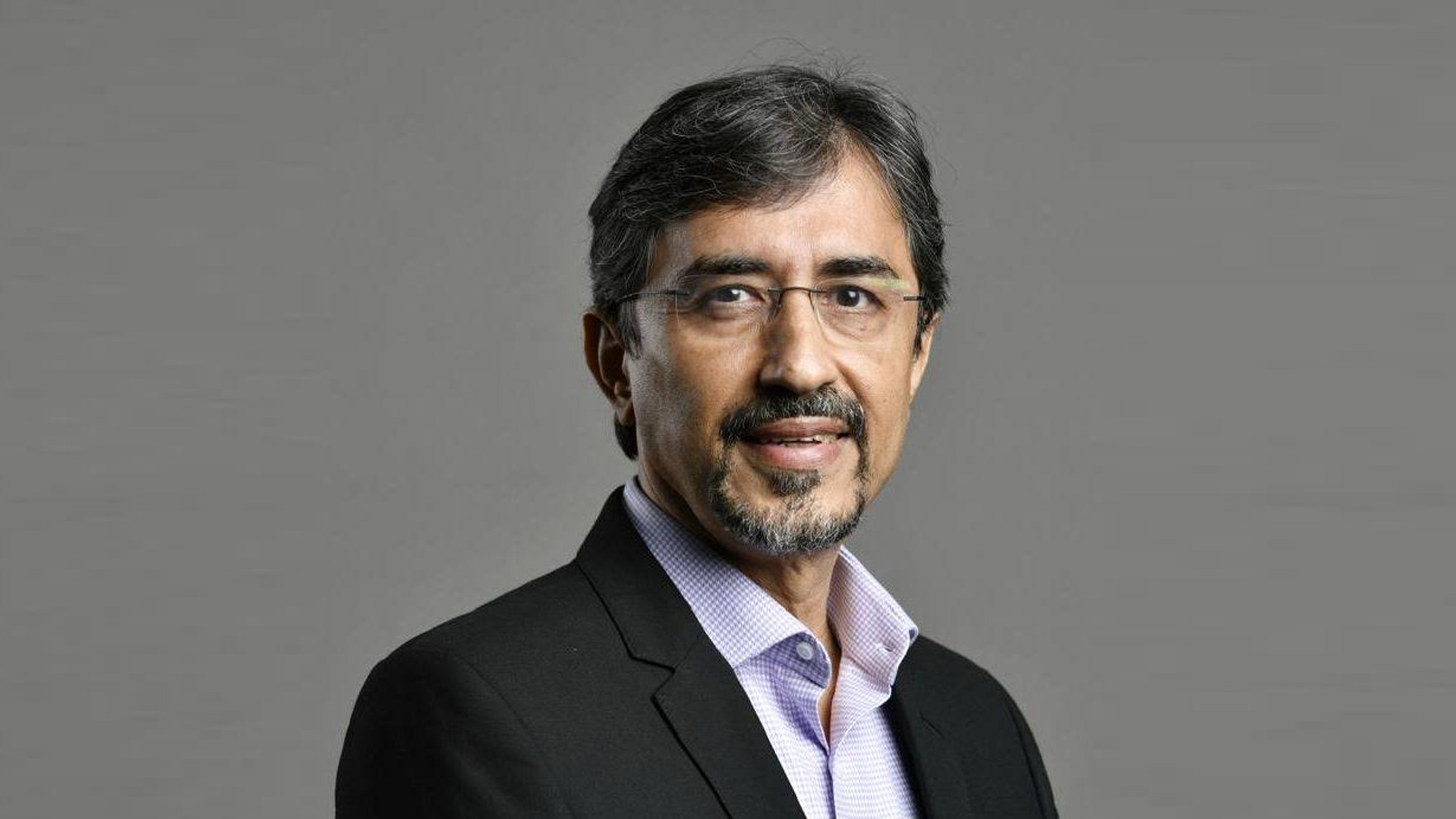
GOA: Artificial intelligence may be dominating every second conversation in advertising right now, but ABBY Awards 2026 Chairperson Ajay Kakar believes the industry is forgetting one crucial thing technology may change, but storytelling remains the real hero. Speaking at Goafest 2026, Kakar offered a candid and sharply human take on AI, creativity, influencers, regional storytelling and the attention economy, repeatedly stressing that brands often overcomplicate what is ultimately a simple truth: people still respond to stories that move them emotionally.
For Kakar, storytelling has always evolved with changing tools and formats, whether through music, colour, visuals or technology. Referring to India’s concept of the Navaras, the nine human emotions, he said advertising has always relied on emotion to connect with audiences, and AI is simply another tool that can help creators do that more effectively. “Use of AI cannot become the destination. The use of AI has to be the means,” he said, explaining that AI can help execute certain visual ideas better, faster and cheaper, but should never become the core conversation itself. He pointed out that while AI may work brilliantly for fantastical visual sequences, emotionally intimate moments often lose authenticity when overprocessed through artificial tools.
Despite the growing excitement around AI-generated content, Kakar remained sceptical about claims that AI can replace human creativity anytime soon. “Can AI truly be creative? Never, never, never,” he remarked bluntly, before clarifying that while the technology may evolve in the future, it is far from there today. According to him, AI still struggles with consistency of expression, continuity and emotional depth, especially in longer storytelling formats. He argued that isolated examples of successful AI-generated work are exceptions rather than proof of a larger creative revolution.
More importantly, he questioned whether AI can truly understand human emotions in the way people naturally do, particularly in a country like India where emotional storytelling sits at the heart of culture and communication.
Kakar also warned against blindly trusting AI-generated outputs, arguing that artificial intelligence is only as intelligent as the prompts it receives. “Artificial intelligence is not intelligent,” he said, noting that incorrect questions often produce incorrect answers which audiences then treat as unquestionable truth simply because “AI bola toh theek bola.”
He further argued that AI’s biggest limitation is its dependence on historical data. Since the technology analyses patterns from the past, he believes it still lacks the ability to genuinely imagine something completely new. “If I want something which has never happened in the past, AI doesn’t have the inputs to give me that imagination of tomorrow,” he explained.
The ABBY Awards chair was equally dismissive of the industry’s constant complaints about shrinking consumer attention spans. According to him, audiences are not suffering from attention deficits advertisers are suffering from storytelling deficits. Referencing long-format films that continue to hold audiences for hours, Kakar argued that people willingly pay attention when content genuinely deserves it. “Attention is where you demand and command my attention,” he said, adding that the real problem lies in brands trying to aggressively sell products instead of telling engaging stories.
“Deficiency is not in the consumer. Deficiency is in our work,” he remarked.
On the subject of regional storytelling and local languages, Kakar said the emotional power of language is hardly a new phenomenon. Whether in villages, cities or corporate boardrooms, people naturally feel closer to those who speak their language. He pointed out how colleagues from the same linguistic background instinctively switch to their native tongue even inside professional workplaces. “Speak in my language and I feel warmer towards you,” he said, dismissing the idea that regional communication is some new-age discovery for marketers.
Kakar also reflected on the changing dynamics of celebrity culture and influencer marketing. Comparing today’s creators to traditional film stars like Amitabh Bachchan and Shah Rukh Khan, he argued that the nature of influence has remained largely unchanged, only the platforms have evolved. However, he warned brands against allowing influencers to overshadow the actual message. Referring to older celebrity campaigns, he joked that audiences often remembered Amitabh Bachchan being in an advertisement without remembering the brand itself. The same risk, he suggested, exists in influencer-led marketing today, where creators can sometimes become bigger than the product they are meant to promote.
Discussing Indian cinema’s growing global visibility through films like RRR and Dunki, Kakar urged filmmakers and brands to remain clear about who they are creating content for. According to him, confusion begins when creators try to appeal to everyone at once.
“If your audience is global, play for global galleries. If your audience is local, play for local galleries,” he said, arguing that sharply focused storytelling is always more effective than trying to please every possible audience. “When you try to please everybody, you please nobody,” he added.
Across the conversation, Kakar consistently returned to one central belief while tools, platforms and technologies may continue to evolve rapidly, the emotional truths driving human connection remain unchanged. And for him, the future of advertising will still belong not to machines, but to storytellers who understand people deeply enough to move them.