Brands
PUMA Q1 profit jumps 19.6 per cent to €51.9m despite 6.3 per cent sales decline
Inventory clean-up and cost controls lift earnings as brand navigates transition year

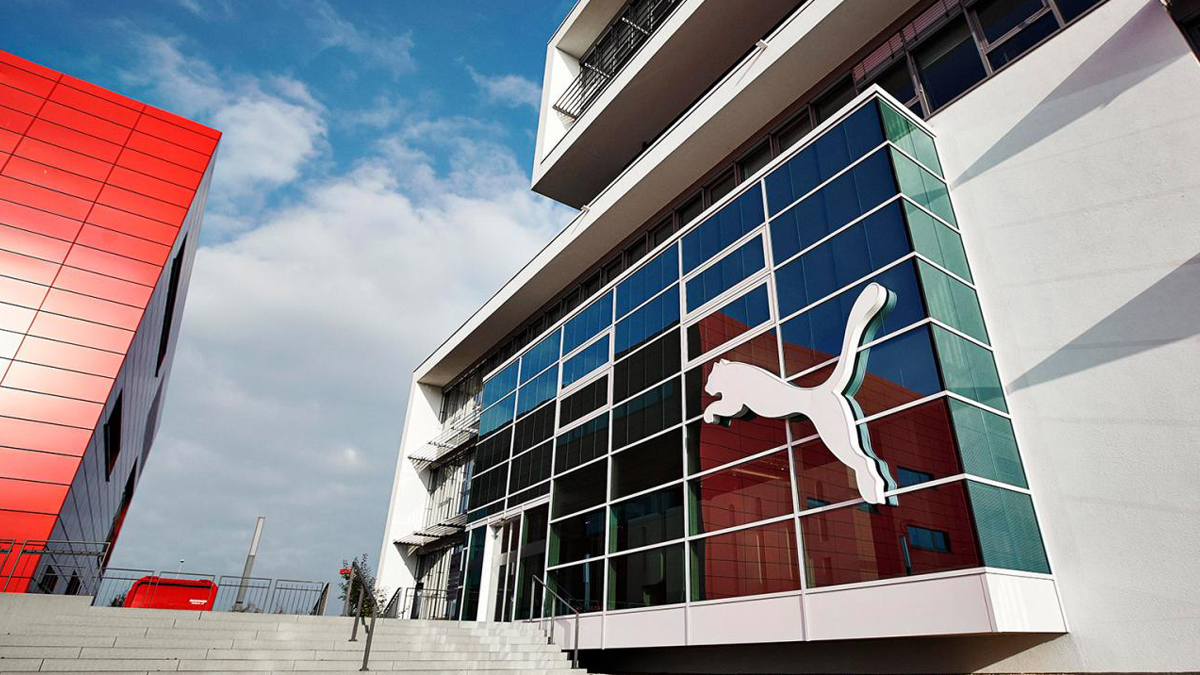
HERZOGENAURACH: PUMA has kicked off 2026 on a steady note, reporting improved profitability in the first quarter even as sales slipped, signalling early progress in what it calls a transition year.
The German sportswear major posted sales of €1,863.8 million in Q1 2026, down 6.3 per cent on a reported basis. On a currency-adjusted basis, the decline was milder at 1.0 per cent, helped by ongoing inventory clearance efforts.
Profitability, however, told a more upbeat story. Gross profit margin rose 60 basis points to 47.7 per cent, driven by the reversal of inventory reserves, lower freight costs and a favourable channel mix. EBIT climbed 19.6 per cent to €51.9 million, despite €-12.6 million in one-time costs linked to a cost efficiency programme. Adjusted EBIT stood at €64.4 million, up from €61.3 million a year earlier.

Net profit from continuing operations surged to €26.5 million, a sharp jump from €1.1 million in Q1 2025, with earnings per share improving to €0.18. The financial result also improved significantly to €-15.6 million from €-38.5 million, aided by currency tailwinds.
Speaking on the performance, PUMA chief executive officer Arthur Hoeld said, “In the first quarter our athletes won 21 medals at the World Athletics Indoor Championships and set national records at the Berlin Half Marathon. Operationally, we were off to a solid start to our transition year in 2026. We have managed to reduce our inventory levels faster than planned, streamlined our product portfolio and addressed operational inefficiencies.”
Inventory reduction remained a central theme. Inventories fell 8.6 per cent to €1,898.0 million, while working capital dropped 9.7 per cent to €1,879.2 million. Trade receivables declined 20.3 per cent and trade payables were down 26.2 per cent, reflecting lower sales and purchasing volumes.
Regionally, performance was mixed. EMEA sales fell 10.4 per cent on a currency-adjusted basis to €774.5 million, impacted by weak demand and geopolitical tensions in the Middle East. The Americas grew 6.1 per cent (currency-adjusted) to €655.6 million, led by a strong 10.5 per cent rise in Latin America, though reported growth was hit by currency fluctuations. Asia Pacific emerged as a bright spot, growing 7.9 per cent to €433.8 million, supported by strong demand in Greater China and Southeast Asia.
By channel, wholesale revenue declined 2.8 per cent (currency-adjusted), while direct-to-consumer sales rose 3.8 per cent to €528.1 million. The DTC share increased to 28.3 per cent from 27.5 per cent last year, reflecting a sharper focus on owned retail and digital channels.
Product-wise, footwear sales dipped 2.3 per cent (currency-adjusted) to €1,089.6 million, though running and training categories showed strong growth. Apparel inched up 0.9 per cent to €546.3 million, aided by football and golf, while accessories remained broadly stable at €227.9 million.
Free cash flow, though still negative at €-201.4 million due to seasonality, improved significantly from €-737.6 million a year ago. Net debt rose to €1,357.6 million, but the company maintained financial flexibility with €1,104.7 million in cash and available credit lines.
Looking ahead, PUMA reaffirmed its full-year outlook. It expects currency-adjusted sales to decline in the low to mid single-digit range, with EBIT projected between €-50 million and €-150 million. Capital expenditure for 2026 is pegged at around €200 million, focused on digital infrastructure and DTC expansion.
PUMA chief executive officer Arthur Hoeld added, “For the remainder of the year, we will continue to focus on improving the quality of our distribution, cost base and cash management. In doing so, we are laying the foundations for future growth.”
With inventory clean-up ahead of schedule and operational efficiencies beginning to show, PUMA appears to be tightening its laces for a stronger run, even as macroeconomic and geopolitical uncertainties continue to test the track ahead.





Brands
EcoMedia Solutions launches EcoMeter to track carbon impact in media
New tool aims to bring real data and accountability to ads and events

GURUGRAM: EcoMedia Solutions has rolled out EcoMeter, a new solution designed to bring sharper carbon accountability to advertising, media, marketing and events.
Built on its proprietary EMS platform, EcoMeter aims to help brands and agencies measure the environmental impact of campaigns and on-ground activations using real-world data rather than broad estimates.
The move comes as sustainability gains traction across boardrooms, even as measurement within the advertising ecosystem remains patchy and often reliant on spend-based assumptions. EcoMeter attempts to change that by using localised emission factors and activity-based inputs, offering a more grounded view of carbon output.
“Today, most carbon calculations in our industry are derived from spends or broad averages. That does not reflect what is actually happening on the ground,” said EcoMedia Solutions founder & CEO Rumjhum Gupta. She added that the tool factors in variables such as location, execution and materials to deliver a more accurate picture.
The platform allows users to compare media choices based on environmental impact, plan lower-carbon campaigns and generate data-backed ESG and BRSR reports. It spans formats including OOH, DOOH, print, digital and live events, bringing sustainability into the same decision-making framework as cost and performance.
EcoMedia Solutions says the larger goal is to move the industry beyond surface-level sustainability claims towards measurable action. As scrutiny from consumers, investors and regulators intensifies, tools like EcoMeter could play a key role in helping brands back intent with credible data.
With this launch, the company is betting that the next big metric in advertising will not just be reach or ROI, but impact that can be counted in carbon.