iWorld
YRF to invest Rs 150 crore in micro-drama slate and D2C app as per sources
Rs 150 crore bet on mobile-first content and owned digital distribution play.
MUMBAI: Big stories, smaller screens and a sizeable cheque to match. Yash Raj Films is reportedly committing Rs 150 crore to build a micro-drama content slate alongside a direct-to-consumer app, signalling a clear pivot towards mobile-first storytelling and owned digital distribution. The investment will be split between producing short-format content and developing a proprietary platform to host it, marking a shift away from traditional release models towards direct audience engagement.
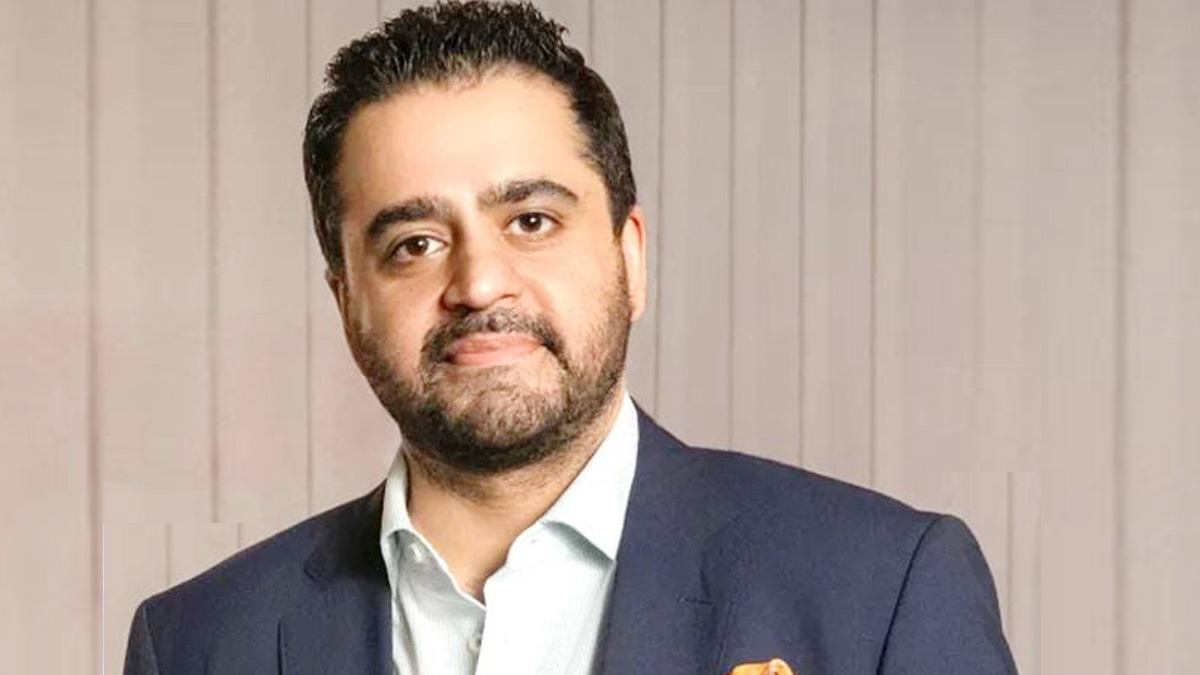
The initiative as per sources is expected to be led by chief executive officer Akshaye Widhani, who previously backed Saiyaara, described as the studio’s most profitable film to date. As part of the expansion, Saugata Mukherjee has come on board to steer creative development across films, streaming projects, and the new micro-drama vertical.
Mukherjee brings experience from SonyLiv, where he helped shape premium, narrative-led originals that cut through an increasingly crowded streaming landscape. His appointment underlines YRF’s intent to build a differentiated content pipeline as it enters a format still finding its creative and commercial footing in India.
The move also reflects a broader industry shift. Micro-dramas are emerging within a fast-evolving interactive media ecosystem that spans audio platforms, social discovery formats, and niche genres such as devotional and astrology-led content. As consumption habits tilt further towards mobile, snackable storytelling is gaining ground both as a creative format and a monetisation play.
On the revenue front, digital payments remain central to this ecosystem. Around 71 per cent of users are said to rely on UPI autopay for subscriptions, underscoring the importance of seamless, recurring payment infrastructure as platforms scale.
The stakes are rising. The wider interactive media segment is projected to grow into a $3.1–3.4 billion market by FY30, with micro-dramas expected to be among the fastest-growing categories, outpacing traditional short-form video.
For YRF, the bet is clear, in a world of shrinking attention spans, the next blockbuster might just be bite-sized.

e-commerce
Visa report tracks rise of India’s affluent, experience-led spending
Affluent base doubles to 130 lakh, travel 58 per cent of elite spends.
MUMBAI: In India’s new luxury playbook, it’s less about owning more and more about living better. A new whitepaper by Visa Consulting and Analytics (VCA) maps a decisive shift in India’s affluent economy, where spending is becoming more intentional, experience-led, and closely tied to personal identity rather than pure income growth.
Titled India’s Affluent Economy 2025–2026, the report draws on a Visa-commissioned Yougov study and VisaNet data across travel, dining, retail and lifestyle categories. The headline number is hard to miss: individuals earning over Rs 10 lakh annually have nearly doubled from 69 lakh to 130 lakh, significantly expanding the country’s discretionary spending base.
But it’s not just about scale, it’s about behaviour. As consumers move up the affluence ladder, discretionary categories are taking a larger share of credit card spends, positioning cards as key enablers of premium, lifestyle-driven consumption.
The geography of wealth is shifting too. Affluence is no longer confined to metros such as Mumbai, Delhi and Bengaluru, with cities like Ahmedabad, Surat, Jaipur and Lucknow increasingly mirroring metro consumption patterns.
The report highlights a clear pivot from ownership to access. More than 50 per cent of affluent consumers now use cards for elite memberships, while 7 in 10 are drawn to limited-edition drops and curated collections. Increasingly, luxury is defined by seamless access be it concierge-led travel or curated dining where time saved is as valuable as money spent.
Spending patterns reinforce this shift. Among the ultra-elite, travel accounts for 58 per cent of discretionary spends, far outpacing retail and luxury combined at 28 per cent. Cross-border spending penetration stands at 63 per cent, signalling a growing global outlook among India’s affluent.
Closer home, indulgence is becoming routine. Nearly 4 in 5 affluent consumers dine at premium establishments at least three times a year, while 1 in 4 visit luxury venues more than five times annually. Dining spends are also climbing, with Rs 20,000 emerging as a new entry-level benchmark per experience and Rs 50,000 marking premium territory.
Retail, meanwhile, is becoming more selective. Three in four affluent consumers make a high-end purchase at least once a quarter, while one in four shops premium every two weeks. Luxury retail intensity is also rising, with 2 in 5 consumers spending over Rs 5 lakh annually, and a smaller but significant segment exceeding Rs 10 lakh.
Technology and wellness are carving out new roles in this ecosystem. High-end gadgets now see average spends of Rs 60,000 or more per purchase, while ultra-elite consumers are eight times more likely to visit spas and show five times higher engagement with cosmetic stores than non-affluent groups.
The broader takeaway is structural. Affluent consumers are no longer buying products, they are buying ecosystems. Integrated experiences across travel, dining, wellness and payments are becoming central to how this segment lives and spends.
As India’s affluent base expands beyond metros and aligns more closely with global consumption patterns, the real opportunity lies not just in size, but in speed. For brands, the message is clear: relevance will be defined by how early and how seamlessly, they plug into this evolving lifestyle economy.