iWorld
Netflix holds 2026 outlook steady after Warner deal collapse
$2.8 billion fee lifts cash flow to $12.5 billion; shares fall nearly 9 per cent.

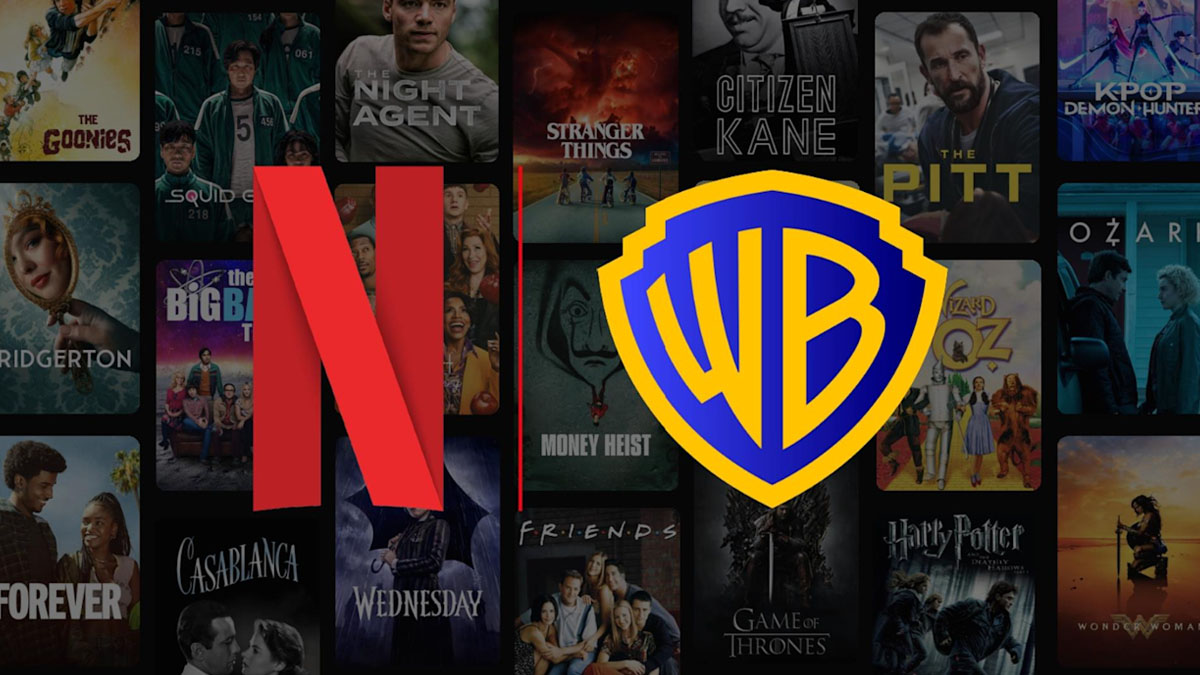
MUMBAI: Sometimes walking away is the real power move and Netflix is framing its abandoned Warner Bros. deal as exactly that. Despite scrapping a high-stakes acquisition, the company has held its 2026 financial outlook steady, signalling confidence in its core business even as investors reacted nervously. The collapse of the proposed transaction with Warner Bros. Discovery left a clear mark on Netflix’s first-quarter numbers, most notably through a $2.8 billion termination fee that boosted earnings. Diluted earnings per share rose to $1.23, with the fee recorded under “interest and other income,” helping the company beat analyst expectations on both revenue and profitability.
Yet the market response was less celebratory. Shares slipped nearly 9 per cent in after-hours trading, with investor caution centred on forward guidance and the concurrent announcement that co-founder Reed Hastings will step down from the board in June.
In its shareholder letter, Netflix struck a measured tone, describing the Warner deal as “a nice accelerant… but only at the right price.” The company reiterated its full-year guidance, projecting revenue between $50.7 billion and $51.7 billion, alongside an operating margin of 31.5 per cent unchanged despite the aborted acquisition.
If anything, the financial impact of the deal’s collapse has been quietly positive in the near term. Netflix now expects free cash flow of about $12.5 billion in 2026, up from its earlier estimate of $11 billion, largely due to the after-tax benefit of the termination fee. Chief financial officer Spencer Neumann clarified that previously anticipated M&A-related costs around $275 million were already baked into guidance and were not exclusively tied to the Warner transaction. Some expenses have been avoided altogether, while others have shifted timelines, leaving the operating margin outlook broadly intact.
Co-CEO Ted Sarandos reinforced the strategic stance, emphasising that the deal was never essential. He described it as “a nice to have, not a need to have,” adding that Netflix walked away once the economics no longer aligned with shareholder value. The process, he noted, helped sharpen the company’s investment discipline and build its M&A capabilities without altering its broader capital allocation philosophy.
The backstory underscores the scale of the missed opportunity. Netflix had entered exclusive talks in late 2025 for a deal valued at around $72 billion (approximately $82.7 billion including debt), only to be outmanoeuvred by a competing all-cash bid from Paramount Skydance. When the revised offer was deemed superior, Netflix chose not to escalate, effectively stepping aside.
The Warner episode also overlapped with Hastings’ decision to step down from the board, though Sarandos dismissed any direct link, noting that leadership had been aligned on the deal throughout.
For Netflix, the message is clear, growth will not hinge on blockbuster acquisitions alone. Instead, the company appears intent on doubling down on its existing playbook content, scale and disciplined capital deployment while keeping M&A as a strategic option, not a necessity. In a market that often rewards bold bets, Netflix is making a quieter argument: sometimes, restraint pays.