Hollywood
“We wanted it, didn’t need it”: Netflix’s co-CEO Ted Sarandos on WBD exit
Sarandos tells Bloomberg the streamer wanted the asset, not the risk

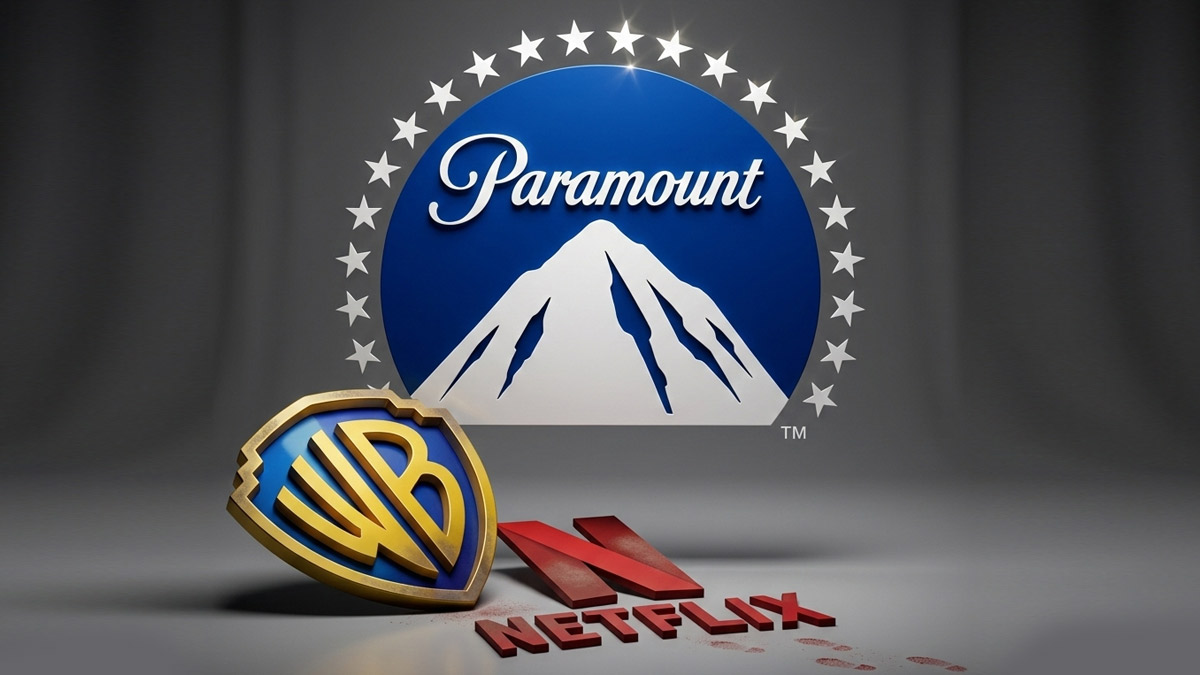
NEW YORK: Netflix has walked away from its pursuit of Warner Bros. Discovery, and co-CEO Ted Sarandos insists the decision was calm, calculated and entirely predictable.
Speaking to Bloomberg in his first interview since the company exited the race, Sarandos said the moment a superior offer emerged from Paramount Skydance on 26 February, the outcome was clear. “We had a very tight range that we’d be willing to pay. I’m happy where we got in and happy where we got out,” he said.
Netflix had agreed in December to acquire Warner Bros.’ studio assets and the HBO Max streaming business, even shifting to an all-cash structure to accelerate the deal. The prize was obvious: a century of storytelling, deep production capacity and the prospect of combining HBO’s prestige catalogue with Netflix’s global reach. But admiration, Sarandos made clear, had its limits. “I believed in all the positives. I just believed in them up to 27.75 dollars a share.”

When Paramount Skydance sweetened its proposal, reportedly including a personal guarantee on a 111 billion dollar transaction, Netflix declined to follow. “They had taken all the other issues off the table and then they additionally raised the price,” he said, adding that the rival bidder had made it clear the offer was not final. By contrast, Netflix’s 5 December agreement was exactly that. “It was last and final. It was.”
There was no frantic recalculation behind the scenes. “We had done all the scenario planning, so we didn’t have to go back to the board. We knew what we wanted to do,” Sarandos said. He dismissed suggestions that political resistance played a role, despite being in Washington on the day of withdrawal. The Department of Justice, he said, had simply been doing its job, and reports of wider scrutiny were overblown. “We’re in the clear.”
Sarandos was more pointed when discussing the economics of the rival bid. In his view, the financing would hinge on heavy cost-cutting, potentially exceeding 16 billion dollars within 18 months. That could mean less production and fewer jobs. Any deal of that magnitude, he argued, deserves rigorous examination.
Speculation that Netflix had engineered the situation to pocket a 2.8 billion dollar break-up fee was firmly rejected. “There are easier ways to make 2.8 billion dollars,” he said. The company had spent months in regulatory review with around 50 authorities worldwide and had met the top 200 Warner Bros. employees. “We definitely wanted this asset. We didn’t need it.”
Internally, he said, there was unity. Co-CEO Greg Peters was fully aligned, and while Netflix co-founder Reed Hastings is not typically enthusiastic about mergers and acquisitions, he backed the move from the outset.
Ironically, the near-deal may still shape Netflix’s strategy. Discussions around acquiring theatrical distribution prompted closer conversations with cinema owners. Sarandos hinted at broader big-screen experiments around titles such as Stranger Things and One Piece. “I think we’re going to find a bunch of cool things to do together going forward,” he said.
As for whether Netflix will pivot to another takeover, the answer was succinct. “Unlikely. We are builders, not buyers.” The break-up fee, he added, will simply be reinvested.
Sarandos also played down fears that a combined Paramount and Warner Bros. Discovery would suddenly outmuscle Netflix in streaming. Scale alone, he implied, does not guarantee supremacy. “One and a half and one and a half still equals three,” he quipped.
For Netflix, the episode reads less like a failed blockbuster and more like a disciplined edit. The company wanted the asset, admired the script and walked away before the budget spiralled. In Hollywood and on Wall Street alike, sometimes the smartest move is knowing when not to bid for the sequel.