Connect with us

Digital

AI ads enter the chat as marketing turns conversational: 0101.Today

Brands test sponsored AI replies, reshaping digital influence

Published

on

MUMBAI: As artificial intelligence platforms begin experimenting with advertisements and sponsored suggestions, marketing may be stepping into its most conversational era yet.

Gone are the days when digital advertising simply pushed polished creatives towards neatly segmented audiences. AI-led conversational marketing works differently. It listens first. Then it speaks. And crucially, it responds in real time to what a user is actually asking.

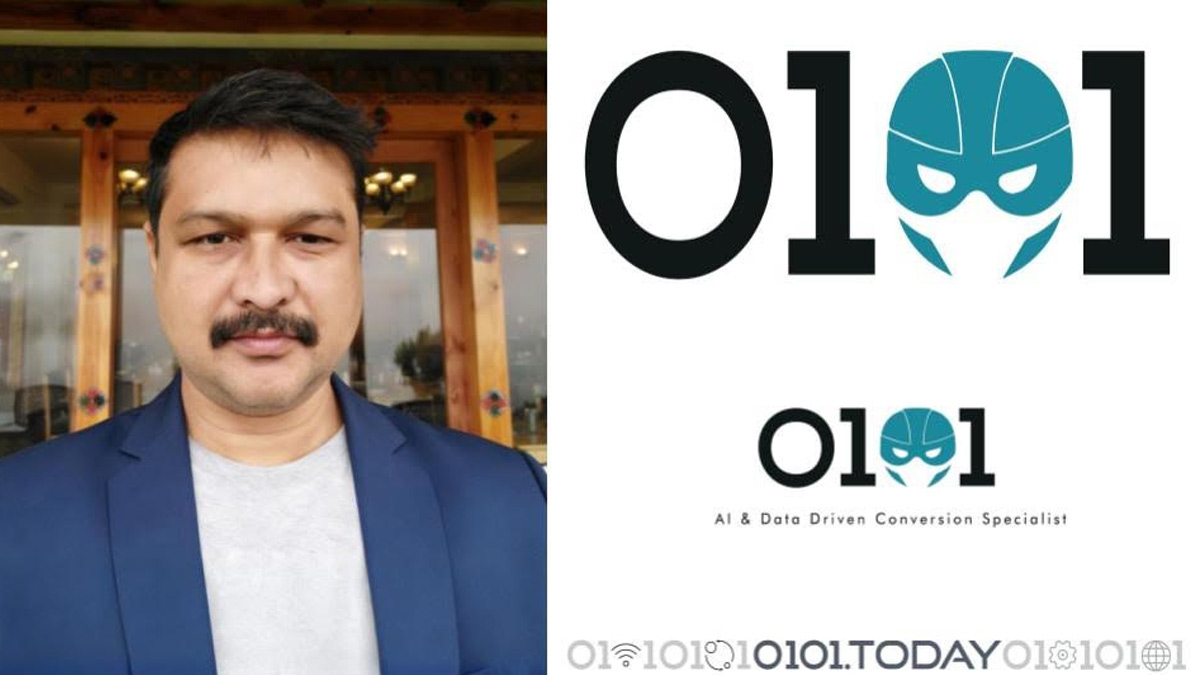
According to 0101.Today co-founder and managing partner Ajay Verma, the shift is not just technological but philosophical. “AI-led conversational marketing differs from traditional targeted advertising by shifting from message delivery to real-time dialogue,” Verma said. “Instead of pushing predefined creatives to segmented audiences, AI understands intent in the moment and responds contextually, helping consumers evaluate options rather than interrupting them. This makes influence feel assistive, not intrusive. It is truly data-led intelligent one-to-one marketing at play.”

Advertisement

He believes the next wave, driven by Agentic AI, will deepen this evolution. A handful of early movers, particularly in the BFSI sector, are already experimenting, though most brands still treat it as a pilot rather than a proven performance channel.

Yet the promise of AI-powered persuasion comes with a catch. Trust.

Verma cautions that consumers are quick to detect when helpful advice quietly morphs into a sales pitch. “Consumers increasingly perceive AI suggestions as advice when the interaction is transparent, relevant, and problem-solving. Trust is built when AI explains why a recommendation is made and aligns with user intent,” he said. “When responses feel biased or opaque, they are quickly classified as promotion and lose credibility.”

Advertisement

In other words, the chat box can charm, but it can also betray.

Some cosmetic brands are already seeing early traction by weaving product recommendations into helpful conversations. But Verma advises caution. “These are new tools and technologies, not magic wands where results appear immediately. Deploy this from an experimental budget rather than performance. Otherwise the medium risks suffering an early death.”

0101.Today positions itself as a data-driven conversion specialist, working across media, communication and technology to help brands align brand building, acquisition and retention with measurable business outcomes rather than siloed campaign metrics.

Advertisement

As advertising becomes more embedded within AI-generated dialogue, clear labelling may prove decisive. While marking responses as sponsored could temper short-term engagement, Verma argues it strengthens long-term brand equity.

“The internet is full of sponsored content. Brands that maintain a realistic balance will see long-term success,” he said.

In the age of AI, it seems influence is no longer about shouting the loudest. It is about speaking at the right moment, in the right tone, and making sure the listener knows who is talking.


Advertisement
Click to comment

Leave a Reply

Your email address will not be published. Required fields are marked *

Digital

Ethical AI must benefit society, not dominate it, says WFEB chief Sanjay Pradhan at IAA event

At Mumbai event, ethics expert urges businesses and governments to shape AI responsibly

Published

on

MUMBAI: Artificial intelligence may be racing ahead at lightning speed, but its direction must still be guided by human conscience. That was the central message delivered by Sanjay Pradhan, president of the World Forum for Ethics in Business (WFEB), during the latest edition of IAA Conversations held in Mumbai.

The session was organised by the International Advertising Association (IAA) and the Artificial Intelligence Association of India (AIAI) in association with The Free Press Journal at the Free Press House on 7 March. Addressing a packed audience, Pradhan called for stronger ethical leadership to ensure AI remains a tool that benefits humanity rather than one that governs it.

“Artificial intelligence has rapidly become one of the most powerful technologies humanity has created,” Pradhan said. “It is unlocking breakthroughs in medicine, science and creativity at a pace unimaginable just a few years ago.”

Advertisement

But he warned that the same technology carries serious risks. AI, he noted, can amplify disinformation faster than facts can travel, compromise privacy, deepen discrimination and disrupt millions of livelihoods. Referencing concerns raised by AI pioneers such as Geoffrey Hinton, often called the godfather of AI, Pradhan stressed that the real challenge is not whether AI will shape the world, but whether humans will shape it with ethics and wisdom.

Structuring his talk around four guiding questions, why, what, how and who, Pradhan introduced the audience to WFEB’s emerging AI Ethics Partnership, a global platform aimed at advancing responsible artificial intelligence. He outlined four priority concerns that demand urgent attention: disinformation, bias and discrimination, data privacy and job security.

To make the idea of ethical AI easier to grasp, Pradhan offered a simple metaphor. Ethical AI, he said, is like a three layered cake. The outer layer represents the visible value ethical AI creates for businesses and society. The middle layer is organisational culture that moves ethics from written codes to everyday practice. The innermost layer, however, is the most crucial, the conscience of individual leaders.

Advertisement

Drawing from Indian philosophical thought through WFEB co-founder Ravi Shankar, Pradhan noted that while artificial intelligence can reproduce stored knowledge, true intelligence is boundless and rooted in conscience, creativity and compassion. Practices such as breathwork and meditation, he suggested, can help leaders develop the calm clarity needed for ethical decision making.

The event also featured a discussion with Maninder Adityaraj Singh, chief of staff and head of innovation at Rediffusion Brand Solutions Pvt Ltd, and Yash Johri, lawyer, Supreme Court of India.

Opening the session, IAA India chapter president Abhishek Karnani, highlighted the need for industries to understand and engage with AI responsibly.

Advertisement

“AI has to be befriended and understood,” added Rediffusion managing director and AIAI national convenor Sandeep Goyal. “Its ethical use will determine whether it becomes a friend or a foe.”

As AI continues to reshape industries and societies, Pradhan ended with a simple but powerful call to action. Businesses, governments and individuals must work together to ensure that the algorithms shaping the future reflect human values rather than just cold logic.

Advertisement
Continue Reading

Advertisement News18
Advertisement All three Media
Advertisement Whtasapp
Advertisement Year Enders

Copyright © 2026 Indian Television Dot Com PVT LTD

This will close in 10 seconds

×