Brands
Eatsure bites Into Jammu with a smart foodcourt feast
Rebel Foods launches first Kashmir outpost uniting 10 plus brands in 2000 sq ft digital dining space.
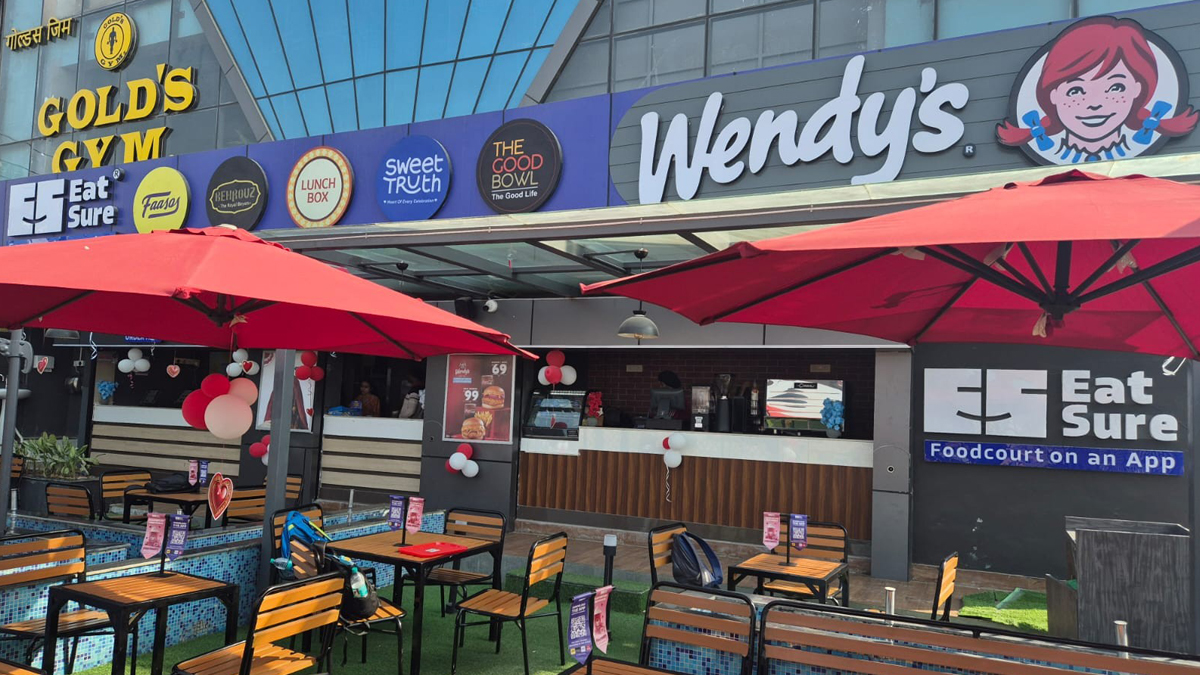
MUMBAI: Jammu just got a whole lot tastier and a whole lot smarter as Eatsure rolled out its inaugural smart foodcourt, proving that even the hills can now order biryani, burgers and Frosty without breaking a sweat. Rebel Foods, the self-proclaimed largest internet restaurant company on the planet, has planted its offline flag in Jammu & Kashmir for the very first time. The new Eatsure smart foodcourt, tucked inside Royal Nest Sapphire, spans roughly 2000 sq ft and becomes the brand’s sixth offline store across India.
What makes it “smart”? Diners skip the old-school queues entirely. Orders flow through self-service kiosks or the Eatsure app, with real-time updates flashing on digital screens or pinging straight to WhatsApp when the food’s hot and ready. One bill, multiple brands, zero hassle, the future of food courts has officially arrived in the winter capital.
Under one roof, more than 10 trusted names are now on tap, Behrouz Biryani, Faasos, Wendy’s, Sweet Truth, Lunchbox, The Good Bowl, Honest Bowl, Makhani Darbar, Dabba & Co and several others. Craving a global burger tour? Wendy’s is dishing up everything from Argentinian Chimichurri and Korean Buldak to classic American BBQ, Tandoori and Nacho flavours. Fancy a biryani-burger combo with dessert on the side? One transaction covers it all.
The space seats over 50 people, turning it into a natural hangout for families, friends or anyone who wants to graze across cuisines without playing musical tables.
Rebel Foods co-founder and global CEO Ankush Grover called Jammu a “perfect blend of culture, tradition and modernity” and described the launch as a natural next step. “The feedback on our delivery brands here has been incredibly positive,” he said. “This foodcourt brings unmatched convenience, variety and a fully digital-first experience to a rapidly growing market for organised food services.”
EatSure’s smart foodcourts have already won fans in Pune, Visakhapatnam, Nashik and beyond. With Jammu now on the map, the brand is clearly hungry to roll out the format to more tier-1 and tier-2 cities nationwide.
For locals, it’s simple, beloved global QSR flavours have finally come home and they arrive faster, fresher and with far less faff than before. Who knew a food court could feel this futuristic?

Brands
Trump announces $300bn Texas oil refinery with Reliance, calls it the biggest in US history
First new US refinery in 50 years planned at Brownsville port with Reliance
WASHINGTON: The United States may soon see the first brand-new oil refinery built on its soil in half a century.
Donald Trump announced a proposed $300 billion refinery project in Texas, calling it a landmark moment for American energy production and jobs.
Posting on Truth Social on 10 March, Trump said the facility would be built at the Port of Brownsville and developed by a company called America First Refining, with major investment from India’s Reliance Industries.
The announcement frames the project as a centrepiece of the administration’s push for “energy dominance”, with Trump claiming it would deliver thousands of jobs and billions of dollars in economic activity to South Texas.
If realised, the plant would mark the first all-new major refinery constructed in the United States since the 1970s. In recent decades, oil companies have largely chosen to expand existing facilities rather than build new ones, citing high costs, regulatory hurdles and environmental scrutiny.
Trump described the proposed investment as the “biggest in US history”, positioning it as proof that policy changes such as streamlined permits and lower taxes are drawing large-scale energy investments back into the country.
The refinery is planned for the Port of Brownsville, a strategic Gulf Coast location that provides easy access to shipping routes and export markets.
A key partner in the project is Reliance Industries, controlled by billionaire industrialist Mukesh Ambani. The company already runs the world’s largest refining complex in Jamnagar, India, making it one of the most experienced operators in large-scale petroleum processing.
The Texas venture would mark a significant step for the group into America’s domestic refining sector, potentially strengthening industrial ties between the US and India.
The proposed refinery is being promoted as a next-generation facility capable of processing American shale oil while maintaining high environmental standards. Trump said it would be “the cleanest refinery in the world”, although the specific technologies behind that claim have not yet been detailed.
Industry observers also note that the $300 billion figure is unusually large for a refinery project, and analysts are waiting for more clarity on whether the number reflects total construction costs, long-term infrastructure investment, or broader economic impact estimates.
As of 11 March, Reliance Industries had not publicly confirmed the investment size or the structure of its involvement.
For now, the announcement has sparked equal parts excitement and curiosity in energy markets. If the plan moves from promise to pouring concrete, the refinery could reshape the Gulf Coast energy landscape, and reopen a chapter in American refining that has been quiet for nearly fifty years.