MAM
Dentsu revamps global leadership, names Takeshi Sano global CEO
New structure aims to sharpen execution, accelerate transformation and drive client growth

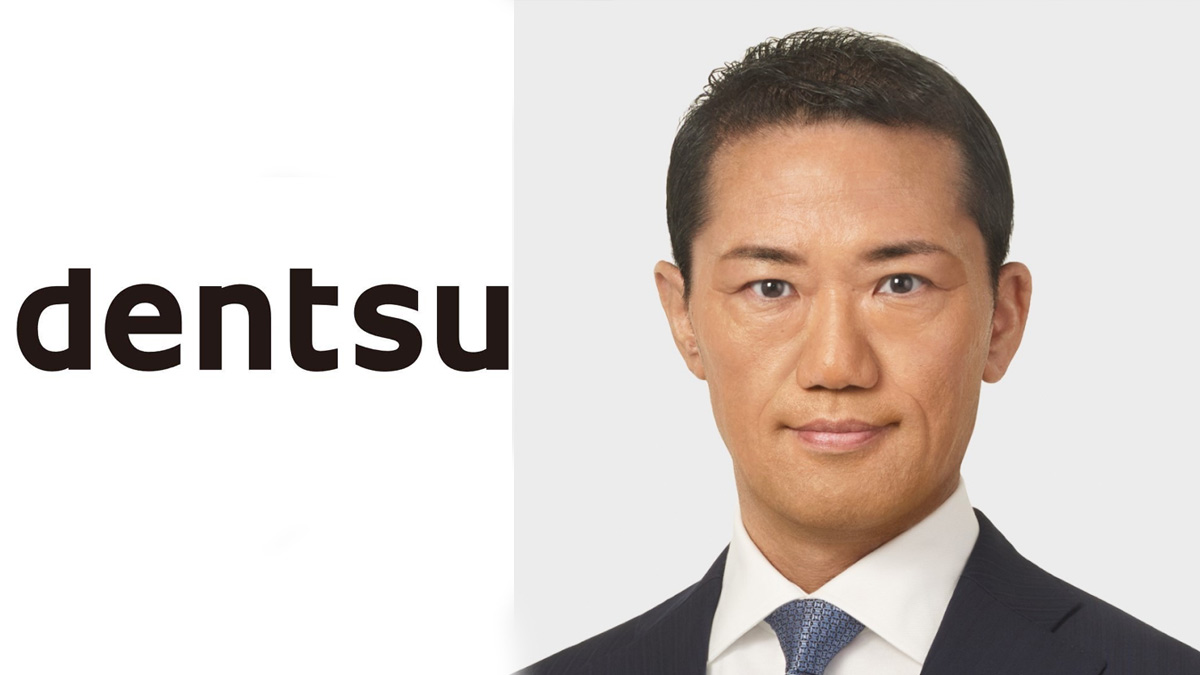
Tokyo: Dentsu Group has unveiled a sweeping global management shake-up, appointing Takeshi Sano as president & global ceo, effective March 27, 2026. The move is aimed at supercharging execution, driving client growth and accelerating the group’s transformation across 120 countries.
Sano, who currently serves as ceo, dentsu Japan and deputy global coo, has transformed Dentsu Inc. into an integrated growth partner, delivering 11 straight quarters of revenue growth and strong profits for two consecutive years. Since 2023, he has steered dentsu’s business transformation globally as BX ceo, dentsu, and strengthened Japanese client expansion overseas.
“To support the pace of our transformation and strengthen execution, dentsu will sharpen the distinctive value that sets us apart, positioning ourselves as a true growth partner from strategy through execution,” Sano said. “By creating momentum for clients, partners, people and society, we will reinforce trust and steadily enhance corporate value.”
Under the new management, the global coo and global president roles are being removed. Regional CEOs and practice presidents will now report directly to Sano, enabling faster decisions and tighter client alignment. A new global chief transformation officer and global chief corporate affairs officer have been appointed to accelerate enterprise initiatives and reinforce governance.
Yoshimasa Watahiki, currently Coo, dentsu Japan, steps up as director, representative executive officer, executive vice president and global chief corporate affairs officer. Shigeki Endo remains global cfo, bringing over 30 years of global finance expertise to the fore. Both, along with Sano, are slated for approval as directors at the March 27 shareholders’ meeting.
Other key appointments include: Beth Ann Kaminkow as ceo, dentsu Americas & chief global client officer; Andre Andrade, ceo, dentsu EMEA; Yuichi Toyoda, ceo, dentsu APAC; Will Swayne, global practice president – media & integrated solution; Pete Stein, global practice president – CXM; Yasuharu Sasaki, global chief creative officer; Miho Tanimoto, global chief HR officer; Noritaka Omi, global chief transformation officer; Jean Lin, global chief brand officer; Yoshiki Ishihara, global new ventures officer; Manus Wheeler, chief of staff; Jeremy Miller, global chief communications officer; Shirli Zelcer, chief data & technology officer.
Additionally, Toby Benjamin has been appointed as chief media officer at dentsu UK.
The shake-up comes as dentsu looks to accelerate its transformation, strengthen governance, and deliver measurable growth for clients worldwide. “By eliminating redundant layers and empowering leaders closest to clients, we can act faster, execute better and generate sustainable value,” Sano added.
Hiroshi Igarashi, Arinobu Soga and Giulio Malegori will step down from the global management team and take on advisory roles, marking a clean slate for the new executive leadership.
With a sharpened management engine, Dentsu is betting on speed, unity and client-centric execution to drive its next chapter of global growth.