Brands
Metro Brands Q3 results: 15 per cent growth; sales cross Rs 800 crore

MUMBAI: Defying the broader slowdown in discretionary spending, the footwear retailer delivered a solid Q3 FY26, reporting mid-teen growth in its stock exchange filing and earnings conference call, driven by wedding demand, steady footfalls and a sharp digital push that powered its strongest festive performance yet.
The company recorded 15 per cent growth in both standalone and consolidated revenues, with consolidated sales crossing Rs 800 crore for the first time: a milestone signalling sustained momentum across channels.
“We posted a 15 per cent growth in our standalone business and our consolidated business,” said Metro Brands chief executive officer Nissan Joseph. “It was good to have a quarter without any unusual events… the key Diwali and wedding season performed well and traffic stayed steady both online and offline.”
Ebitda climbed 16 per cent in the standalone business and 18 per cent on a consolidated basis, with margins holding firm at around 33 per cent.
Despite accounting pressures from IndAS adjustments and a Rs 3.3 crore provision linked to the new labour code, profit after tax still rose 33 per cent, delivering roughly 16 per cent margins for the quarter.
“On the Ebitda side, we grew by 16 per cent standalone and 18 per cent consolidated and delivered 33 per cent margins,” Joseph said. “Our PAT grew by 33 per cent despite accounting headwinds.”
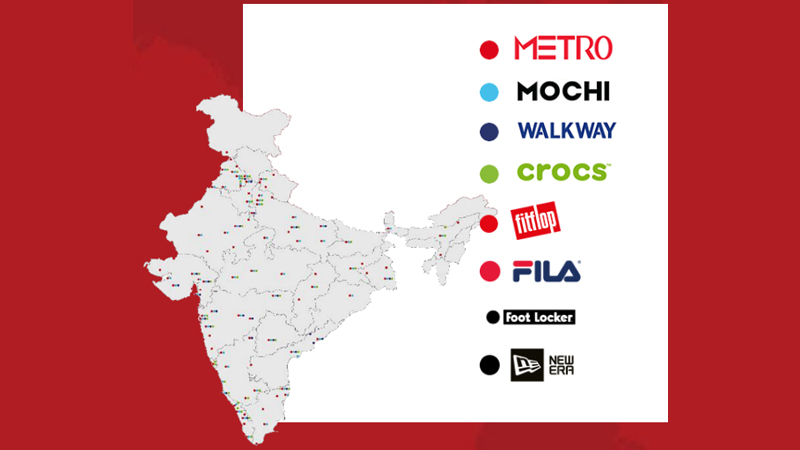
Metro continued expanding its physical footprint at pace. The company opened 35 new stores in Q3 and closed 11 underperforming outlets, taking total store additions this financial year to over 100: a near 10 per cent expansion on its existing base.
Rather than simply adding more of the same, Metro pushed into fresh retail formats. It launched three MetroActiv stores, targeting performance footwear buyers with brands such as Nike, New Balance, ASICS and FILA, while continuing to scale Foot Locker outlets focused on lifestyle sneakers.
“These stores are designed for athletic performance seekers,” Joseph explained. “Foot Locker will continue to cater to lifestyle sneaker fans: a completely different customer segment”
The retailer also confirmed its Clarks partnership is gaining traction, with exclusive stores expected to open around Q3 of the next financial year.
Online and omni-channel sales continued to gather speed. Metro’s digital commerce business grew 24 per cent year on year and now contributes around 12 per cent of total revenues: a healthy share in a sector often plagued by deep discounting. However, management made clear it was prioritising profitability over headline online growth.
“It’s not a growth target we want to chase by discounting,” Joseph said. “We want to create a business that’s accretive both to sales and brand value.”
Higher-priced footwear continued to outpace the mass end of the market. Products priced above Rs 3,000 now make up about 55 per cent of total sales, supported by rising consumer appetite for premium designs and tax relief from GST rationalisation.
While average selling prices rose just 2.5 to 3 per cent, volume growth did the heavy lifting.
“Broadly we have seen ASPs go up about 2.5 to 3 per cent,” said chief financial officer Kaushal Parekh. “With overall growth of 15 per cent this quarter, the balance is largely coming from volumes, including same-store performance and new stores.”
Shoppers have also enjoyed modest price relief following GST rationalisation.
On average, consumers are paying 3 to 4 per cent less across Metro’s portfolio, with some price brackets seeing discounts of up to 11 per cent.
“All existing inventory continues to carry the GST benefit as discounts,” Parekh said. “For new products we are revising MRPs in line with the reduced tax while maintaining our markups.”
One area where Metro is stepping cautiously is Foot Locker expansion. Supply disruptions tied to BIS certification norms have hit availability of high-end imported sneaker lines, particularly premium collaborations priced above Rs 10,000 to Rs 15,000.
“We haven’t stopped growing Foot Locker, but we’ve slowed it until we have visibility,” Joseph said. “The stores are doing good sales, just about 20 to 25 per cent less than they would have with full inventory.”
Management stressed it would still open stores opportunistically where prime real estate becomes available.
New formats such as MetroActiv and Foot Locker currently carry lower gross margins due to reliance on third-party brands and heavy marketing investment. But their contribution remains small enough not to dent overall guidance.
“We are comfortable guiding gross margins at 55 to 58 per cent, Ebitda around 30 per cent and PAT close to 15 per cent over the medium term,” Parekh said.
With inventory levels stable, store economics improving and premium demand holding firm, Metro appears well positioned to keep delivering consistent growth, even as parts of the retail sector tread cautiously.
Rather than sprinting blindly, the footwear major is pacing itself, expanding formats, nurturing digital channels and letting volumes do the work.