Brands
Warburg and Bharti Enterprises to acquire 49 per cent of Haier India
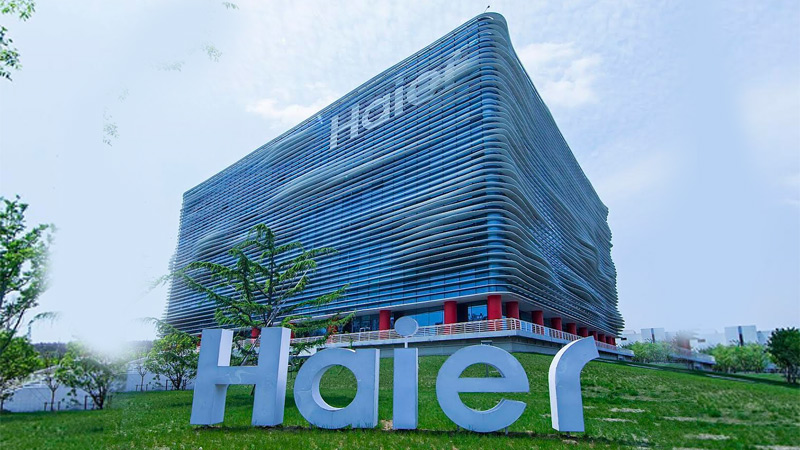
NOIDA: Warburg Pincus and Bharti Enterprises are buying their way into India’s booming white-goods market, snapping up a combined 49 per cent stake in Haier India and loosening China’s grip on one of the country’s fastest-growing appliance brands.
The stake will be acquired from China’s Haier Group, which will retain 49 per cent ownership, while employees will hold the remaining 2 per cent. The move hands the US private equity firm and the Indian conglomerate a strategic foothold in a sector dominated by South Korea’s Samsung and LG, and increasingly central to India’s consumer growth story.
The companies declined to disclose the deal value, but the Economic Times, citing industry executives, pegged Haier India’s valuation at around Rs 150 billion ($1.67 billion). Warburg and Bharti did not comment on the figure.
The transaction comes against a delicate geopolitical backdrop. While New Delhi and Beijing have shown tentative signs of thawing relations, Chinese investments in India remain under intense regulatory scrutiny, making local partnerships not just prudent but necessary.
Haier India manufactures air conditioners, refrigerators, televisions, washing machines and kitchen appliances from two plants in Pune and Greater Noida, serving a market that is heating up fast as incomes rise and urban demand surges.
For Warburg and Bharti, the bet is clear: fewer cables and calls, more compressors and coolers. And in a market where consumption is king, this is a power play with the plug firmly pulled out of geopolitics and pushed straight into growth.

Brands
Maharashtra panel orders Lodha to refund Rs 5 crore to homebuyers
Consumer court flags unfair practices in long-running property dispute case
MUMBAI: In a sharp rebuke to one of India’s biggest real estate players, the Maharashtra State Consumer Disputes Redressal Commission has directed Macrotech Developers to refund nearly Rs 5 crore to a senior citizen couple, Uttam and Anindita Chatterjee. The ruling, delivered on March 13, 2026, calls out the developer for “deficiency in service” and “unfair trade practices”, bringing closure to a dispute that has stretched over a decade.
The case traces back to 2015, when the couple booked a 3-BHK flat at World Towers in Lower Parel for Rs 12.22 crore, with possession promised within a year. What followed was a series of changes that complicated matters. After deciding to exit the project, they were persuaded to shift to a 4-BHK in another development priced at Rs 8 crore, with delivery scheduled for 2018. However, within months, the price was allegedly increased to Rs 10 crore. After demonetisation reshaped the market, similar flats were reportedly being offered at lower prices, but the couple were not given the benefit.
Despite paying over Rs 2.83 crore, the couple neither received possession nor clarity. Instead, in 2018, the developer unilaterally cancelled the booking, retained part of the amount as earnest money, and argued that the buyers were investors rather than consumers. The commission rejected this claim, observing that casual references to “investment” do not take away consumer rights when the purchase intent is residential.
The bench also held that the developer could not penalise buyers for payment delays while failing to meet its own delivery commitments. It noted the lack of formal documentation for revised terms and termed the prolonged retention of funds without delivering a home as exploitative.
As part of its order, the commission directed the developer to refund Rs 2.83 crore paid by the couple, along with interest at 10 per cent per annum, amounting to around Rs 2.12 crore. In addition, Rs 1 lakh has been awarded for mental agony and Rs 50,000 towards litigation costs, taking the total payout to over Rs 5 crore. The developer has been asked to comply within two months.
For now, the ruling serves as a reminder that in real estate, shifting terms and delayed promises can carry a significant cost.