MAM
Pepsi’s new drink to feature in TVCs around World Cup

MUMBAI: Mountain Dew, the neon coloured citrus tinged carbonated drink that Pepsi launched in Mumbai on Thurday, will feature prominently in the television commercials the company plans to unleash on television in the next month.
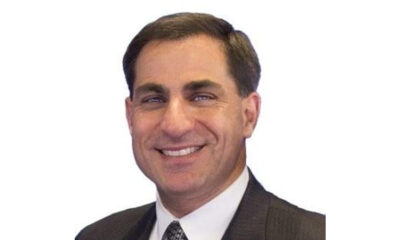
 PepsiCo India Holdings chairman Rajeev Bakshi |
PepsiCo Holdings India chairman Rajeev Bakshi, who was in the city to launch the ‘third largest soft drink brand in the US’ , however, refused to be drawn into the details of promotions likely to be launched on and offline around the World Cup, saying it was ‘too early’ for revealing the presenting sponsor’s gameplan.
As part of ground promotions, Pepsi announced a tie up with kids’ channel Nickelodeon and MAX that would select six children to lead the Indian cricket team onto the field during the World Cup. Pepsi officials present at today’s launch said that a slew of similar promotions would be announced in the next fortnight.
 While TVCs during the World Cup are bound to remain thematic, advertising after the cricket fever subsides will focus on the drink’s overseas integral association with alternative sport. Currently, HTA has devised (with some aid from its sister agencies in other countries) three 30 second spots that have been classified in two categories – Posers and Cheetah. The first revolves around four much traveled cool dudes who embody attitude and who face a moment of reckoning when they realize they have not really ‘been there, done that’ till they have ‘done the Dew’.
The second TVC has the foursome now firmly hooked to the energy of Dew, raising their adventurism a few notches higher by matching the stride of a cheetah to snatch a Dew from the sprinting cat.

PepsiCo ad agency JWT has taken the ‘youth and action’ message spawned initially by global ad agency BBDO and plans to roll out a high voltage multi media communication package, identifying with high energy outdoor activities, popular with teens. The spots, conceptualised by JWT, have been made by filmmaker Kunal Shivdasani and shot at various locations in Mumbai like Film City, Lonavala and the Borivili National Park, the stills shot by well known photographer Atul Kasbekar.
Officials admit that the focus of the drink will remain the urban youth, the rural consumer is still a distant target for Mountain Dew. The national rollout, according to Bakshi is however slated to take place by 6 February. Before Mumbai, Mountain Dew was launched in Goa on 22 December, to cash in on the New Year frenzy in the coastal state. According to officials, research agency IMRB was employed to assess the target consumer and the age bands that would identify with the drink.
Pepsi also roped in two of the most popular ambassadors of Mountain Dew abroad, 23 year old Fabiola Da Silva of Brazil, the top female in the field of aggressive inline professionals and 24 year old Chad Kagy of the US, the world’s top BMX competitor, both of whom were present on Thursday at the Radio Club.
PepsiCo is set to roll out an innovative ground communication package including specially designed Mountain Dew cars that will hit the roads in key cities, and fun games like ‘Dew Velcro’, ‘Dew Twin Peaks’ and ‘Bungee Running’ which will be installed at popular youth hangouts in cities and towns to build up the excitement.