MAM
Coca-Cola launches ‘My Water’ programme to mark with ‘World Environment Day’

MUMBAI: On account of the ‘World Environment Day’ today ( 3 June), Coca Cola India in an endeavour to do its bit, has introduced their new programme titled ‘My Water’ in Bangalore.
‘My Water’, is essentially an awareness programme on water
conservation, targeting students from fifteen schools in Bangalore. The programme was initiated in April. The programme includes implementation of rooftop rainwater harvesting systems in five schools across Bangalore.

It was introduced keeping the following objectives in mind:
a.. Creating a sense of responsibility among students towards water conservation
b. Providing an informed basis for their proactive efforts
c. Inspiring them to take action towards implementing water conservation devices in their school premises
d. Implementing rooftop rainwater harvesting systems groundwater recharge systems in these five schools in Bangalore.
Implementation activity of the project has been taken up by the Kendriya Vidyalayas at NAL, IISC, Hebbal, ASC Centre and CRPF Yelanhanka. Each of these schools have identified a team comprising ten students and one teacher, who would be instrumental in creating awareness among students in their respective schools on need for water conservation. These students would also understand the methodology for rooftop rainwater harvesting, groundwater recharge and in turn would disseminate this information to a much larger audience.
This Coca Cola India, is also a collaborative effort of TERI and M/S Farmland Rain Harvesting Systems. Personnels from TERI have already analysed and discussed the requisite project implementation methodology with the ‘My Water’ groups in each of these schools. The awareness campaign would commence in July 2005, once the schools reopen for the academic year 2005-2006.






MAM
India wins big at the 2025 Global Best of the Best Effie Awards
The Womb and McCann India take home Global Grand Effies, putting Indian advertising on the world map
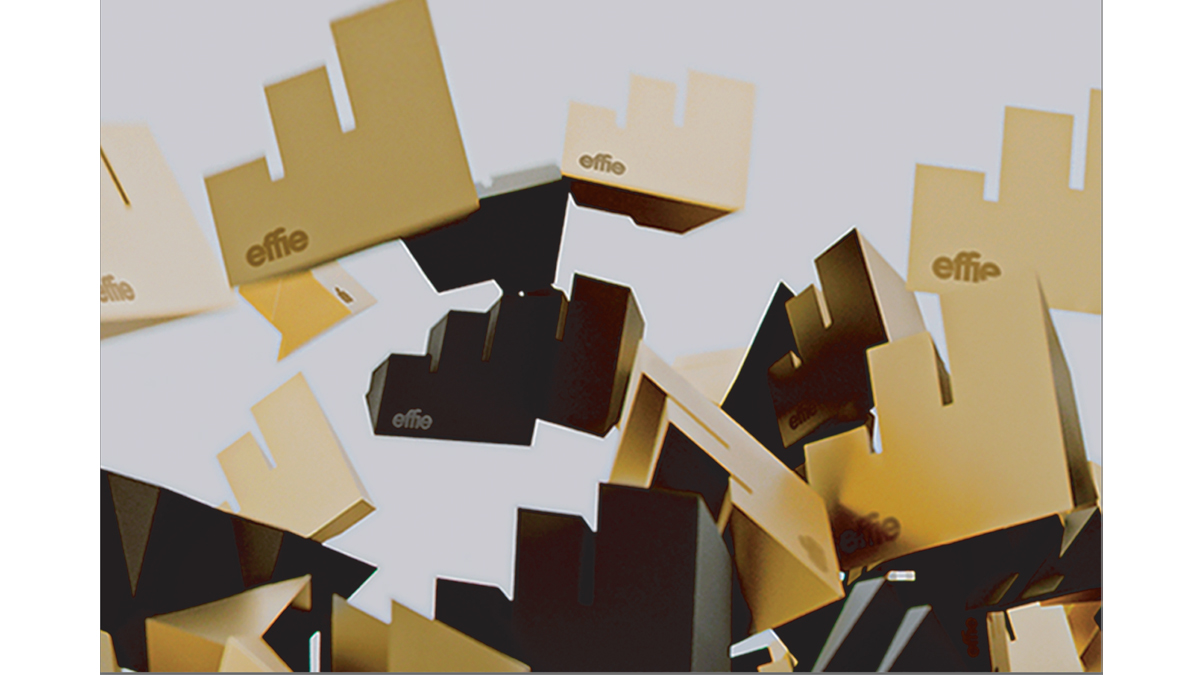
MUMBAI: Indian advertising just had its moment. At the 2025 Global Best of the Best Effie Awards, the most rigorous test of marketing effectiveness on the planet, two Indian agencies beat out campaigns from over 130 markets to claim Global Grand Effies, the sport’s equivalent of a world championship medal.
The Womb won for Piramal Finance with a campaign called “NEEYAT: India’s Real Credit Score,” a purpose-led push that took direct aim at systemic bias in the credit sector and reframed how creditworthiness is measured. McCann India won for ESAF Small Finance Bank with “Saving Her Savings,” a campaign centred on financial inclusion for marginalised women. Both wins came from a shortlist of 47 contenders, all of whom had already won gold or grand prizes in their home markets. Only 11 Global Grand Effies were handed out across seven markets. India got two.
The highest honour of the night, the Iridium Effie, awarded to the single most effective marketing campaign in the world, went to eos Products and Mischief @ No Fixed Address for “Women’s Shave.” Remarkably, it was their second consecutive year taking the top prize.
Other global winners included Oreo and Mondelez International for “Oreo Codes” in commerce and shopper marketing, Flamin’ Hot and PepsiCo for “Poker Face” in experiential marketing, and ALDI Australia for “Shop ALDI First” in retail.
The Best of the Best is no ordinary awards show. Entry is restricted to campaigns that have already won a gold or grand Effie at a national level, making it, in effect, a champions’ league of marketing effectiveness. Indian agencies are no longer just brilliant at cracking local markets. They are now setting the global standard.
The world’s best advertisers had better start paying attention.