I&B Ministry
Prima facie, no problem in Space TV: I&B ministry

NEW DELHI: The Department of Company Affairs (DCA) willing, Space TV may finally see some light at the end of the long bureaucratic tunnel.
The information and broadcasting ministry now is of the opinion that if DCA clears the legal and technical aspects of the Space TV application, seeking a nod for a DTH licence for over a year now, it would not have any problems in issuing a letter of intent.
A senior I&B ministry official today indicated that DCA is examining the Space TV application sent to it and it’s “only a matter of time” when it will revert with its comments that would decide the fate of the Tata-Star joint venture.
“Since we are not equipped to examine the technical and legal aspects of a corporate entity in entirety, DCA’s help has been sought,” the official added.

Asked whether the I&B ministry feels that Space TV’s application complies more or less with the DTH guidelines after changes had been incorporated by the company, as suggested by the government, the ministry official shot back, On the face of it, everything looks satisfying.
However, the official, while admitting that a note had been readied on the issue for minister’s comments, refused to give a time frame to final issuance of an LoI to Space TV. Government procedure takes it own time, was about all he would say.
Space TV’s quest of a DTH licence began in 2002. In between, the application had to be made afresh in 2003 as the government felt that in the earlier version of Space TV, the Indian partnership was more of a dummy.
The project cost is estimated to be Rs 16 billion ($350 million).
The government had announced a set of DTH guidelines towards the end of 2001 by which time quite a few interested players had already got frustrated and abandoned their plans to make forays into the DTH segment.




I&B Ministry
Chanchal Kumar appointed MIB secretary
1992-batch officer shifts from DoNER as Sanjay Jaju heads the north-east ministry
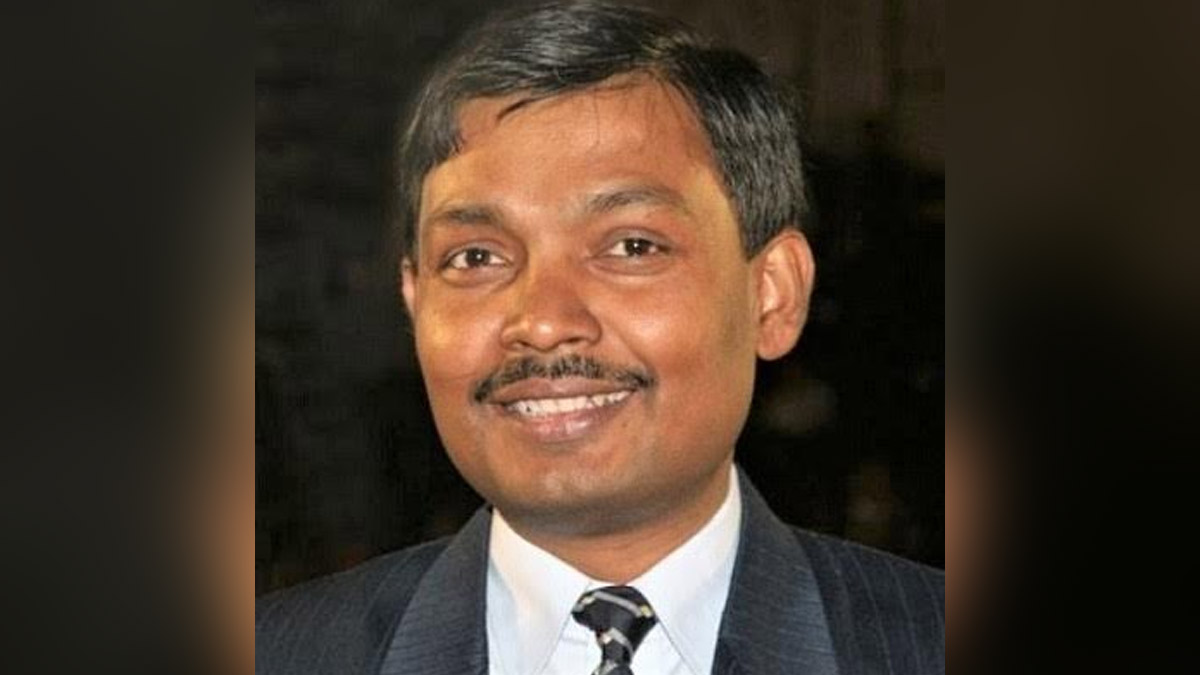
New Delhi: The government has rejigged its top bureaucracy, appointing Chanchal Kumar as secretary in the Ministry of Information and Broadcasting, replacing Sanjay Kumar Jaju in a swift senior-level switch.
Kumar, a 1992-batch IAS officer of the Bihar cadre, moves from the Ministry of Development of North Eastern Region (DoNER), where he had been serving as secretary. He steps into MIB as Jaju exits to take charge as secretary, DoNER.
Kumar is no stranger to handling multiple mandates. In December 2025, while at DoNER, he briefly held additional charge as secretary in the Department of Telecommunications during Neeraj Mittal’s leave from December 12 to December 21, ensuring continuity at a critical time.
Jaju, a 1992-batch IAS officer of the Telangana cadre, had taken over as secretary, MIB in February 2024, succeeding Apurva Chandra, who moved to the Ministry of Health and Family Welfare. His tenure combined administrative continuity with a sharper policy pitch on trust in India’s fast-evolving media and advertising landscape.
Speaking at the AdTrust Summit 2026 organised by the Advertising Standards Council of India, Jaju warned that misleading promotions risk eroding public trust even as digital platforms expand reach for businesses, startups and creators. He flagged rising threats from financial scams, deceptive investment schemes and fraudulent job advertisements targeting vulnerable users.
While noting that commercial speech is protected under freedom of expression, Jaju argued that misleading advertising must face regulatory scrutiny. He pushed for a shift in industry priorities—from scale to credibility, authenticity and transparency—especially in disclosures and sponsored content. Truthfulness, accountability and safeguards for vulnerable audiences, he said, must anchor the ecosystem.
Jaju’s move to DoNER and Kumar’s arrival at MIB signal a calibrated reshuffle at the top—continuity in governance, but with a clear message: credibility is the new currency.






