MAM
Culture is the canvas: Virtue Worldwide’s artistry in branding


Mumbai: Virtue Worldwide, powered by the VICE media group, functions as a creative agency dedicated to constructing brands that emerge from within cultural contexts.
With a track record of delivering expertise, This agency assists brands in discovering an authentic voice situated at the heart of contemporary culture.
Through collaborative endeavors, This agency has partnered with renowned brands such as Coca-Cola, HBO, Logitech, P&G, General Mills, Johnnie Walker, Black Dog, Fastrack perfumes, Black & White, Puma, H&M, Volkswagen, McDonald’s, eToro, Red Bull, and Beats, aiming to amplify their narratives and create a lasting impact.

Indiantelevision.com in conversation with Virtue Worldwide creative head APAC Hayden Scott
Hayden boasts a 15-year career in advertising, excelling at agencies like Ogilvy and DDB. Known for revitalising brands, he reinvented Raymond and championed causes like girl-child education. Leading Virtue India’s creative team, he leverages cultural insights for brand success. Beyond work, he mentors at Miami Ad School, sketches urban architecture, and produces music. Hayden’s outstanding contributions garnered 75 awards, including D&AD, Cannes, and Effies. Recognised in the “Top 40 under 40 in marketing and advertising,” he earned the Copywriter of the Year award.
On Virtue Worldwide differentiating itself in the competitive landscape of creative agencies
Virtue is a creative agency that builds brands from inside culture. With a history of delivering expertise, we help brands find an authentic voice at the epicentre of culture. Our expertise encompasses brand strategy, creative storytelling, content creation, digital marketing, social media management, influencer marketing, experiential activations, and more. We believe in finding a unique voice for each brand and leveraging it to connect deeply with audiences. Through our integrated approach, we craft narratives, execute campaigns, and deliver measurable results that drive brand growth and cultural impact.
On Virtue Worldwide’s borderless approach contributing to its ability to assemble bespoke teams tailored to individual client needs
Our borderless approach at Virtue Worldwide allows us to assemble bespoke teams tailored to individual client needs by drawing on the diverse talents and perspectives of our team members in 17 cities across 13 countries. This global presence contributes to our unique cultural insights and expertise.
On Virtue Worldwide staying attuned to cultural trends and shifts to remain effective in building brands within evolving cultural contexts
At Virtue Worldwide, we’re deeply committed to staying in sync with cultural shifts and trends. Being a part of the larger Vice Media Group, we invest in our own cultural research, gaining insights, and having a continuous learning mindset.
Our proactive approach involves active participation in professional development, frequent attendance at industry conferences, workshops, and seminars. This ensures that we remain updated on emerging trends and evolving consumer behaviors.
On Virtue Worldwide balancing the need for creativity and innovation with the practical considerations of brand building in the modern marketplace
We do this by combining our industry-leading expertise with a passion for innovation. We embrace emerging technologies and digital platforms to enhance our creative capabilities while keeping a keen eye on the practical aspects of brand building.
On Virtue Worldwide envisioning its role and contributions to the advertising and brand-building industry in the future
We live in a world where users can choose to skip ads so for brands to remain visible, they need to find a role inside culture. Virtue Worldwide envisions playing a pivotal role in the advertising and brand-building industry in the future, filled with opportunities and transformative experiences by delving into insider marketing and building brands from within culture and integrating it with storytelling and innovations in technology.





Brands
Samsung India elevates Aditya Babbar to lead mobile business
Exec takes charge of MX sales and marketing after Raju Pullan’s exit
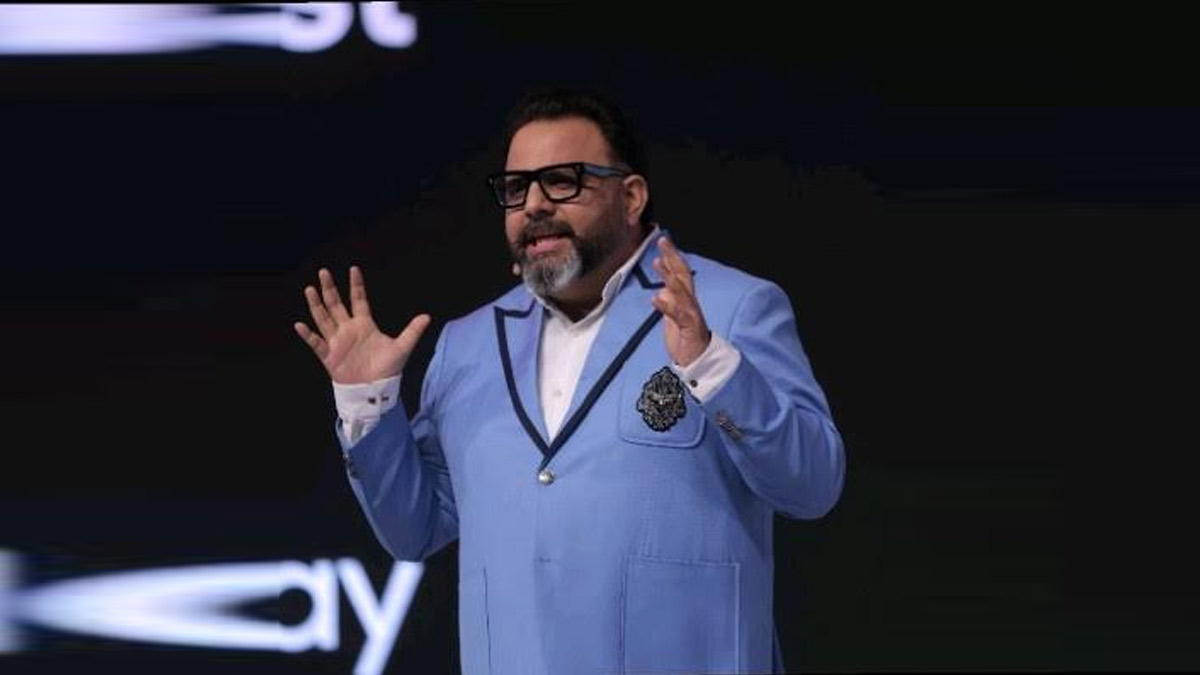
NEW DELHI: Samsung India has elevated Aditya Babbar to lead its mobile phone business, following the exit of Raju Antony Pullan.
Babbar, who previously served as vice president within the mobile division, has been appointed head of sales and marketing for the MX (mobile experience) business, effective May 1. In his new role, he will oversee the company’s sales and marketing operations for smartphones and related categories in India, reporting to the executive vice president of the MX business.
A long-time Samsung executive, Babbar brings over a decade of experience within the organisation, having held multiple leadership roles across product, marketing and category management. Most recently, he led product marketing and e-commerce for the mobile division, following earlier stints as head of product and marketing and senior director roles.
His career within Samsung Electronics and its India operations has also included responsibilities for flagship devices, tablets and wearables, giving him a broad view of the company’s premium and mass-market portfolio.
Babbar succeeds Pullan, who stepped down from the role, marking a leadership transition at a time when India remains a key battleground for global smartphone makers.
The appointment signals continuity within Samsung’s leadership bench, with an internal candidate stepping up to steer one of its most critical business units in a highly competitive market.