MAM
Two Indian agencies bag metals in Clio Awards 2013
MUMBAI: Wah Wah Music and DDB Mudra from India achieved a huge success by making it to the list in the Clio Awards 2013, which recently announced winners in nine out of the total nineteen categories.
For the original music in the film technique category award Wah Wah Music won Silver for its entry Nike ‘Parallel Journeys‘ directed by Dhruv Ghanekar. The agency behind the campaign was JWT India, whose NCD Senthil Kumar wrote the film directed by Abhinay Deo of Ramesh Deo Productions (RDP).
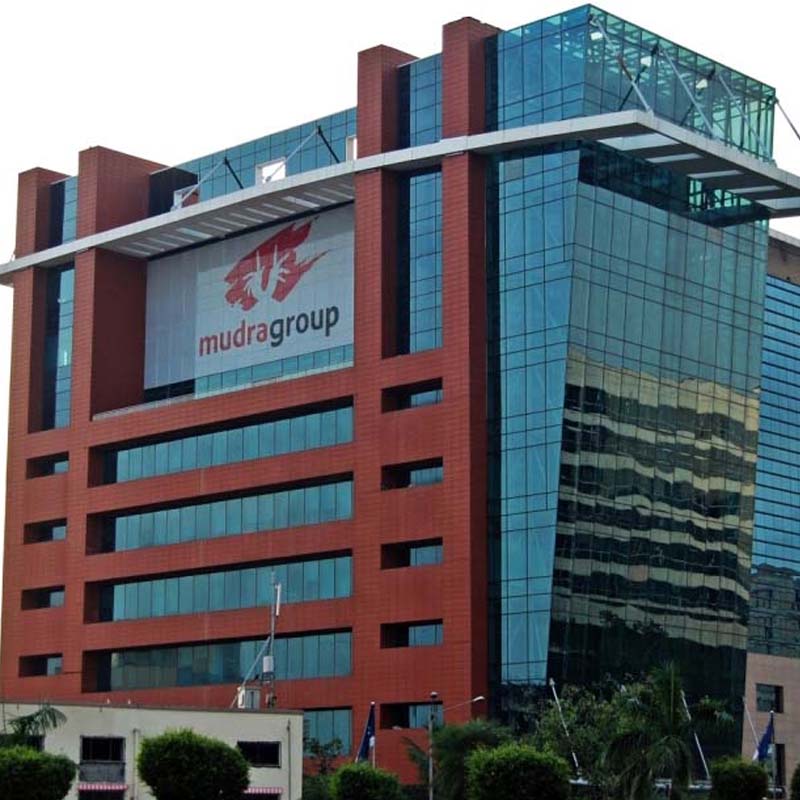
In the Print Technique category, DDB Mudra won a Bronze for work on Volkswagen Attention Assist System titled ‘Art Direction Board‘, for Illustration. The work done by DDB Mudra Delhi gives credit to art directors Raylin Walles, Rajit Gupta and Satyin Patel (also the illustrator), with CCO Sonal Dabral.
The awards also had four jury members from India, namely chairman and chief creative officer Josy Paul, BBDO India; co-founder and chief creative officer Agnello Dias, Taproot India; Studio Eeksaurus Production and director E Suresh, and director Prasoon Pandey, Corcoise Films. The annual awards prove distinction in advertising, design and communication across various media.

MAM
What Is a Critical Illness Rider? Meaning, Features and Benefits
When you buy a health insurance policy, you usually focus on hospital bills and treatment costs. But serious illnesses don’t just affect your medical expenses: they disrupt your income, lifestyle and long-term plans. That’s where a Critical Illness Rider becomes relevant. It works as an additional layer of financial protection when you are diagnosed with a major illness.
Instead of reimbursing hospital bills, this rider offers a lump-sum payout you can use as needed. Understanding its mechanism helps you decide if your coverage is truly complete.
What is a Critical Illness Rider?
It is an add-on benefit attached to your existing health insurance policy. It provides a fixed lump sum amount if you are diagnosed with any illness listed under the rider. You become eligible for a payout solely on the basis of diagnosis, not by hospitalisation or treatment expenses.
Unlike regular coverage, you are not required to submit medical bills to claim this benefit. Once the diagnosed illness meets the policy definition and criteria, the insurer releases the amount. This makes it different from standard critical health insurance plans, which are standalone policies rather than add-ons.
How a Critical Illness Rider Works
When you opt for this rider, you choose a predefined sum assured. If you are diagnosed with a covered illness, the insurer pays the full amount in one lump sum. The payout can be used for treatment, recovery, income replacement, debt repayment, or even lifestyle adjustments.
Most riders specify a waiting period and a survival period. The waiting period means the illness must be diagnosed after a certain number of days from the policy start date. The survival period requires you to survive for a specific number of days after diagnosis for the claim to be valid.
Key Features of a Critical Illness Rider
Here are some of the key features of a critical illness rider:
Lump Sum Benefit
The most important feature is the lump sum payout. You are not restricted to medical usage. This flexibility allows you to handle non-medical costs that often arise during long-term illness.
Coverage for Major Illnesses
Critical Illness Riders usually cover life-altering conditions such as cancer, heart attack, stroke, kidney failure and major organ transplants. The exact list varies across insurers, so reviewing covered conditions is essential.
One-Time Claim Structure
In most cases, once a claim is paid, the rider terminates. This is because it is designed to address high-impact illnesses rather than recurring medical needs.
Affordable Premium
Since it is an add-on, the premium is lower than that of standalone critical health insurance plans. This makes it a cost-effective way to enhance your existing health insurance policy.
No Hospitalisation Requirement
You don’t need to be hospitalised to receive the benefit. Diagnosis alone is enough to avail the benefits. But ensure that all the policy conditions are met.
Income Protection Support
During critical illness, loss of income can be more damaging than medical bills. The rider helps bridge this gap by offering financial stability when you need it most.
Who Should Consider a Critical Illness Rider
If you have dependents, loans or limited savings, this rider adds meaningful protection. It is also relevant if your employer-provided health insurance policy focuses mainly on hospitalisation and lacks income replacement support.
Conclusion
A Critical Illness rider strengthens your health insurance policy by covering financial gaps that regular medical coverage often ignores. It gives you control, flexibility and immediate support during serious health events. Before choosing one, review the list of covered illnesses, waiting periods and claim conditions carefully. When structured correctly, this rider can protect not just your health expenses but also your financial stability during challenging times.