MAM
The human touch in an AI-powered world: Finding balance in influencer marketing

Mumbai: In the ever-evolving landscape of influencer marketing, where bytes and pixels dominate the scene, one might think that the organic essence of human touch is on the brink of getting lost in translation.
Algorithms and analytics dominate the discourse across multifarious industries. We are barrelling towards an ecosystem where the essence of understanding nuances and having layered thoughts can become a far cry. In this pursuit of excellence and unbridled optimization, anything and everything is susceptible to change.
Let’s hit pause and recalibrate our thinking machines for a moment and take a stroll down the avenues of influencer marketing. Here, authenticity reigns supreme. The foundation of any successful campaign is built on genuine connections and stories that resonate on a human level. It is this delicate yet potent human touch that transforms a simple message into a powerful narrative, engaging audiences with authenticity and warmth.
But, what about the dark cloud that hangs over this domain? The cloud that pumps obscure data with the intention of deceiving.
As the influence of the reel world and the real world intertwines, AI has emerged as a formidable guardian against fraudulent activities in influencer marketing. It meticulously navigates through expanses of data, discerning patterns and rigorously examines engagement metrics, identifying anomalies such as unanticipated surges in follower count or erratic engagement ratios, thus unveiling potential inconsistencies.
Through a careful exploration of audience demographics, AI unearths irregularities that may signify the presence of counterfeit followers or fabricated engagement. Additionally, it judiciously contrasts influencers’ engagement metrics against established industry standards, thereby facilitating a nuanced evaluation of authenticity.
Utilizing advanced methodologies in data analytics coupled with insightful sentiment analysis, AI proficiently differentiates between authentic engagements and those mired in duplicity. Consequently, brands are afforded the invaluable capability of making judicious collaborations fortified with discerning insights, thus navigating the intricate landscapes of influencer marketing with assured confidence and strategic precision.
While this issue persists, another challenge is catering to the exponential rise of smartphone users in India. It’s estimated that over 800 million people in this country use smartphones as the internet has penetrated all dimensions of society. This in itself is a puzzle for any brand to solve as there is no one-size fits all solution. India has always been a melting pot of culture and diversity. Finding vernacular influencers who resonate with niche communities has always been a colossal task.
Well, it used to be. With the influx of AI, we are no longer unequipped to deal with the challenges that we face today. AI tools are no longer merely backstage hands; they are co-directors, enhancing and elevating the message.
However, safeguarding the essence of human creativity and ingenuity is paramount. How can we ensure it isn’t eclipsed by the luminous advancements of technology?
What it might need is a curious expedition, exploring uncharted territories where technology dovetails with humanity. It might need to be backed with a thoughtful philosophy of ‘The Butterfly Effect’, with its essence in fostering a space where technology and humanity waltz in a seamless rhythm, each step synchronized to enhance and not overshadow the other.
We don’t want to create a tool to replace the human element but to complement it, creating a symphony of technological innovation interwoven with human intuition. It’s about nurturing connections that resonate with genuine human experiences and emotions, ensuring the narratives spun are not just heard but felt, echoing in the hearts and minds of audiences.
The promise lies in authentic narratives and fortified campaign integrity through vigilant fraud detection, that fosters streamlined workflows and data-driven decisions, technologically enriched by AI’s infinite potential, yet at the heart of it the human touch will continue to thrive, curate, and captivate.
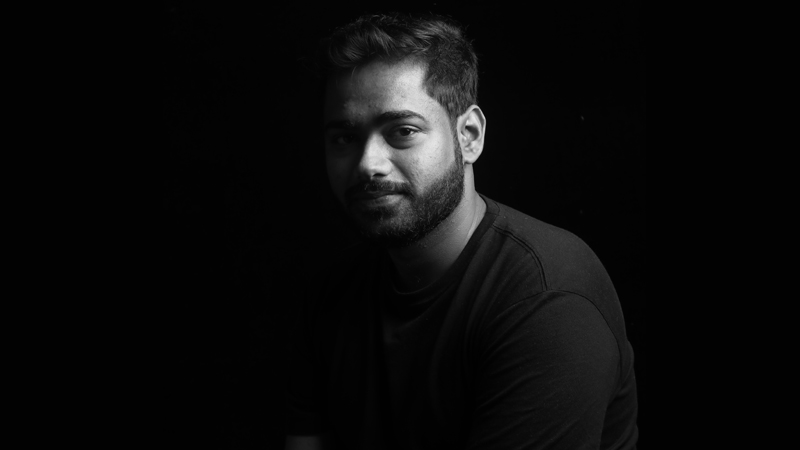
The author of this article is Buffalo Soldiers co-founder and head of delivery Arnab Kundu.