Hollywood
Kitano Takeshi hits out at Japanese cinema at Tokyo filmfest

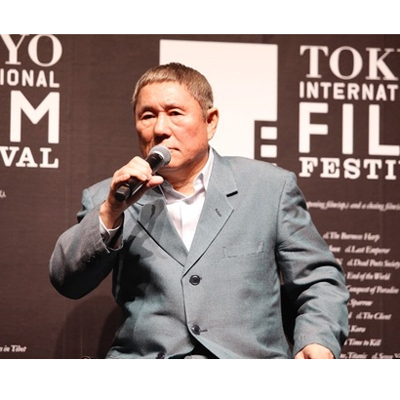
NEW DELHI: Eminent Japanese filmmaker Kitano Takeshi used the occasion of receiving the ‘Lifetime Achievement Samurai Award’ at the Tokyo International Film Festival to speak about the current state of Japanese film industry.
He was one of the two filmmakers who received the award, the other being American filmmaker Tim Burton known for his dark, gothic, macabre and quirky horror and fantasy films such as Beetlejuice, Edward Scissorhands, The Nightmare Before Christmas, Ed Wood, Sleepy Hollow, Corpse Bride, Sweeney Todd: The Demon Barber of Fleet Street, Dark Shadows and Frankenweenie, and for blockbusters such as Pee-wee’s Big Adventure,Batman, its first sequel Batman Returns, Planet of the Apes, Charlie and the Chocolate Factory and Alice in Wonderland.
Speaking on the occasion, Kitano said: “The bad thing about the Japanese film industry is that production companies have relationships with cinemas. Look at the Academy Awards. The Japanese representative needs to be recommended by the film industry, and that is the only one that can be nominated… it irritates me, but if you look at all the Japanese representatives at the Academy Awards, I do not think there is hardly any case in which the film selected is not from the same three or four companies. This year, it would be Shochiku, then it would be Toho, and then it would be Toei. It’s ridiculous!”
Kitano went on to criticise Japanese media for turning a blind eye to industry problems and exaggerating the reception of Japanese films at international film festivals in order to sell ads.
In a mentoring session of sorts between Kitano and eight award-winning young filmmakers, he said: “I know you are up-and-coming, so make sure that you do not get entangled with the major studios.”
The second half of the event mostly consisted of curator and critic Tony Rayns and Cannes Film Festival selector Christian Jeune discussing Kitano’s films and their cultural impact. But Kitano offered little but polite responses to the two foreign guests’ praise, and had to be reminded of the moderator’s questions multiple times after Rayns and Jeune made their respective comments.
Although Kitano himself also insisted that his works are left to the audience to interpret it in their own way, he did explain the way he creates his films.
“I do not have any themes in my mind. I start with a final scene. With that final image in mind, I decide how much story I can put in,” Kitano said, “I create a shot list, and I shoot a film in order to realise that. As for the theme, it is up to the critics to decide what that might be.”