Hollywood
Kodak inks deals with six Hollywood studios


MUMBAI: Kodak has finalised new film supply agreements with all six major Hollywood studios. As part of these agreements, Kodak will continue to provide motion picture film to 20th Century Fox, Walt Disney Co., Warner Bros. Entertainment Inc., NBC Universal Inc., Paramount Pictures Corp. and Sony Pictures for their movie and television productions.
“Film has long been – and will remain – a vital part of our culture. With the support of the studios, we will continue to provide motion picture film, with its unparalleled richness and unique textures, to enable filmmakers to tell their stories and demonstrate their art,” said Kodak chief executive officer Jeff Clarke.
Kodak has been engaged in broad discussions with prominent filmmakers, studios, independent artists, production companies, and film processors to enable film to remain a fundamental medium. Last July, the studios made known their intent to play a key role in leading this industry-wide effort.
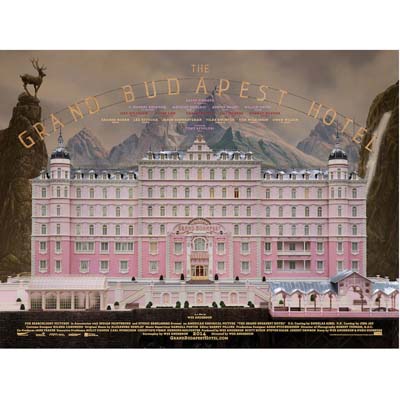
Prior to the agreements being finalized, several highly acclaimed films were produced on film, including Oscar nominees Boyhood, The Grand Budapest Hotel, The Imitation Game, Interstellar, Foxcatcher, Into the Woods, Leviathan, Inherent Vice and The Judge. Additionally, some of the most-anticipated films of 2015 are being shot on Kodak film, such as Star Wars: Episode VII –The Force Awakens, Mission: Impossible 5, Batman v. Superman – Dawn of Justice, Jurassic World, Ant-Man, Cinderella, Entourage and Trainwreck.
These agreements make it possible for Kodak to continue to manufacture motion picture film while also pursuing new opportunities to leverage film production technologies in growth applications, such as touchscreens for smartphones and tablet computers. This also positions the company to remain the premier supplier of camera negative, intermediate stock for post production, and archival and print film.
“With the support of the major studios, the creative community can continue to confidently choose film for their projects. We’ve been asking filmmakers, what makes a project ‘FilmWorthy.’ Their responses have varied from the need for its exceptional depth to its distinctive grain, but overwhelmingly, the answer is ‘the story.’ They need film to tell their stories the way they envision them, and hold a strong desire for it to remain a critical part of their visual language. Enabling artists to use film will help them to create the moments that make cinema history. The agreements announced today are a powerful testament to the power of film and the creative vision of the artists telling them,” said Kodak president of entertainment and commercial films Andrew Evenski.