Digital
WebEngage deepens data science and AI capabilities with an Aquihire
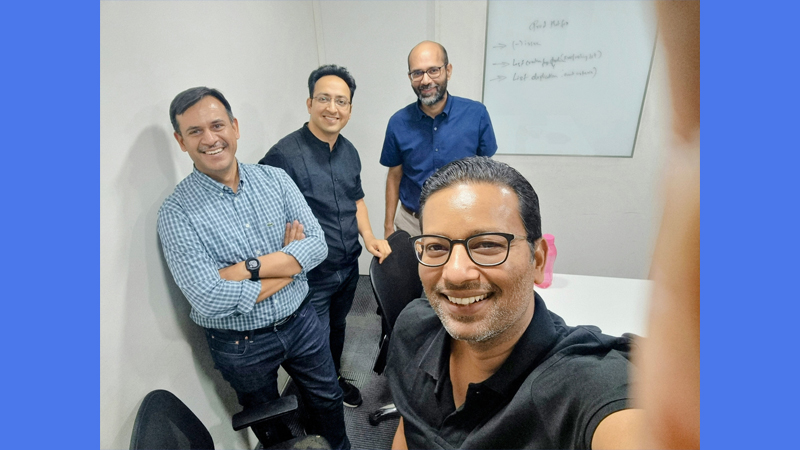
Mumbai: WebEngage, a full stack Retention Operating System, today announced a significant bolstering of its data science and AI practice with the acqui-hiring of the talented Data Scientists from Propellor.ai. This strategic move is aimed at leveraging the billions of data points in the WebEngage CDP to enable clients with comprehensive best in class verticalized analytics and AI driven solutions as Predictive Segmentation, Recommendations and persona building.
WebEngage is intensifying its focus on demonstrating deeper value delivery and ROI from the engagement via a data-enabled Retention Consulting practice. Despite billions of data points and powerful engagement capabilities, the adoption of the platform has room to grow substantially. Unlike acquisition-first advertising platforms like Google and Facebook which have matured over the last couple of decades, the retention and user engagement space is still relatively new and talent supply in the ecosystem is in nascent stages.
“Unlike productivity SaaS, WebEngage is uniquely placed to make a 20-40% impact on a customer’s revenue and profit metrics. Marketers across the world use ~ 20% of their retention tech stacks, limiting the ROI and impact they draw from it. We saw a clear need to deepen our advisory interventions to help move the needle for them. The exceptional team of Data Scientists will now supercharge how we leverage our customers’ data to deliver value. We’re calling this skin-in-the-game consulting because we only win if our customers win,” said WebEngage co-founder & CEO Avlesh Singh.
Abhijat Shukla, the 20 year veteran Data professional and the founder of Propellor says, “I’m excited to find such a vast playground to deploy all the skills and lessons with me and my team on delivering deep insights in easily consumable ways that can enable effective decision making. Data-hungry customers are in for a treat.”
Blume Ventures managing director Karthik Reddy, an investor with WebEngage says, “WebEngage has a tradition of accelerating product sophistication, driven by their customers’ needs. As an investor, we are proud to see this enhanced approach to a data and advisory practice. This can be orbit-shifting in terms of utilization of data for even better retention for the client’s customers. Propellor now means an even more impactful WebEngage inside more global consumer marketing teams.”

Digital
RBI proposes Rs 25,000 compensation cap for small digital fraud losses
RBI, customer bank and beneficiary bank will share payouts
NATIONAL: The Reserve Bank of India has proposed a new compensation framework for small-value fraudulent electronic banking transactions, requiring the central bank, the customer’s bank and the beneficiary’s bank to share payouts to affected customers.
Under draft rules released on Friday, compensation will be capped at the lower of 85 per cent of the net loss amount or Rs 25,000 in cases where the gross loss from a fraudulent electronic transaction is up to Rs 50,000.
The proposal comes as regulators step up efforts to strengthen customer protection amid a rise in digital banking frauds.
RBI governor Sanjay Malhotra had indicated during last month’s monetary policy announcement that the central bank planned to introduce a compensation framework for small-value digital frauds, allowing affected customers to claim relief once during their lifetime.
According to the draft guidelines, when the loss is below Rs 29,412, compensation of 85 per cent of the loss will be paid. Of this amount, 65 per cent will be borne by the RBI, while the customer’s bank and the beneficiary bank will contribute 10 per cent each.
For losses of Rs 29,412 or more but up to Rs 50,000, the compensation will be capped at Rs 25,000. In such cases, the RBI will contribute Rs 19,118, while the customer’s bank and the beneficiary bank will each contribute Rs 2,941.
If funds are later recovered after compensation has been paid, the customer’s bank must recalculate the payout based on the revised net loss and adjust the recovered amount accordingly.
Customers will be eligible for compensation only if they report the fraudulent transaction within five calendar days of its occurrence.
Complaints must be lodged both with the bank and through the National Cyber Crime reporting portal or the National Cyber Crime helpline. Banks must also confirm that the loss is bona fide under their internal processes.
Once a complaint is received, banks must compensate the customer within five calendar days, the draft rules state.
In joint accounts, only one account holder may submit a compensation claim.
The central bank has also proposed tightening transaction alerts by mandating instant SMS notifications for all electronic banking transactions above Rs 500. For transactions of up to Rs 500, banks may decide whether to send alerts based on internal policies.
Banks will not be allowed to charge customers for SMS messages sent to meet regulatory requirements or those used for promotional, marketing or customer awareness purposes.
The draft framework also calls for stronger oversight by requiring banks to periodically report complaints related to fraudulent electronic transactions to their boards or board-level committees. These reports must detail the number and value of cases across categories including card-present transactions, card-not-present transactions, internet banking, mobile banking and ATM transactions.
The RBI has invited public comments on the draft guidelines until 6 April, 2026. The rules are expected to take effect on 1 July, 2026 once finalised.
Banking officials say the proposed sharing of compensation between the RBI, the customer’s bank and the beneficiary bank is intended to increase vigilance across the digital payments ecosystem.