iWorld
Playground Season 3 extended by two weeks due to massive success


Mumbai: Given the overwhelming support and engagement, Amazon miniTV – Amazon’s free video streaming service – in association with Rusk Media, has announced the extension of the Playground Season 3, the biggest gaming reality show by two weeks. Capturing the hearts of Gen-Z, Playground Season 3 transcended reality show status to become a bona fide cultural phenomenon. The enthusiastic embrace of the show by the Gen Z’s has propelled it to new heights of popularity and acclaim, highlighting its relevance and resonance among young audiences.
Since its premiere, Playground Season 3 has captivated audiences nationwide, garnering impressive success metrics across all platforms. The show has reached over 25 million unique viewers across all touchpoints, each viewer on Amazon miniTV is spending 60 mins on an average per day with over 40 per cent returning viewers, reflecting the strong audience engagement and loyalty.
The dynamic combination of mentors in Playground Season 3 brought a diverse range of expertise and perspectives to the forefront, enriching the gaming experience for enthusiasts nationwide. Elvish Yadav, known for his infectious energy and strategic gameplay, seamlessly transitioned from his successful stint as a Bigg Boss OTT Season 2 winner to donning the mentor hat for the first time, injecting fresh enthusiasm and insight into the competition. Alongside him, the seasoned presence of OG CarryMinati provided invaluable wisdom and wit, while Techno Gamerz brought his technical prowess and innovative strategies to the table. Not to be outdone, Mortal’s unparalleled skill and competitive spirit added an extra layer of intensity to the mix. Together, this eclectic lineup of mentors not only guided the participants through challenges but also inspired and empowered the next generation of gamers, making Playground Season 3 an unforgettable journey of growth, camaraderie, and exhilarating gameplay.

The show has also been able to onboard marquee brands like Hero Xtreme125R as the title sponsor which launched its bike on the show. The show is co-powered by Pova India, and has special partners including TooYumm, Pizza Hut, LG and Philips.
“We are thrilled with the overwhelming success of Playground Season 3 and grateful for the immense support from our viewers and sponsor brands for helping us build a successful content franchise,” said Amazon miniTV head of content Amogh Dusad. “The extension of the show for two more weeks underscores the tremendous impact it has had on Amazon miniTV’s audiences across the country. We are committed to delivering high-quality entertainment and look forward to bringing more excitement to gaming enthusiasts.”
Rusk Media CEO Mayank Yadav stated, “The success of Playground Season 3 is a testament to our collective efforts in redefining gaming entertainment. We would like to thank the mentors, sponsors and participants for the overwhelming support. The season’s extension reflects our commitment to delivering unparalleled entertainment experiences. We look forward to continuing this journey of success and innovation.”
Headlined by Hero MotoCorp as the ‘Presenting Partner’ and powered by POVA from TECNO, Playground Season 3 has also received support from Swiggy, Pizza Hut, LG OLED TV, Philips, Too Yumm!, PUMA and Kreo as Special Partners. These collaborations have elevated the show’s entertainment quotient and provided viewers with an unprecedented immersive gaming experience.
With its blend of adrenaline-pumping challenges, fierce competition and non-stop excitement, Playground Season 3 continues to redefine gaming entertainment in India. The reality show is streaming exclusively on Amazon miniTV for free within Amazon’s shopping app, on Fire TV and Play Store.







iWorld
Govt pushes live events sector to Rs 196 billion by 2028
LEDC roadmap targets 15–20 million jobs and global hub status by 2030
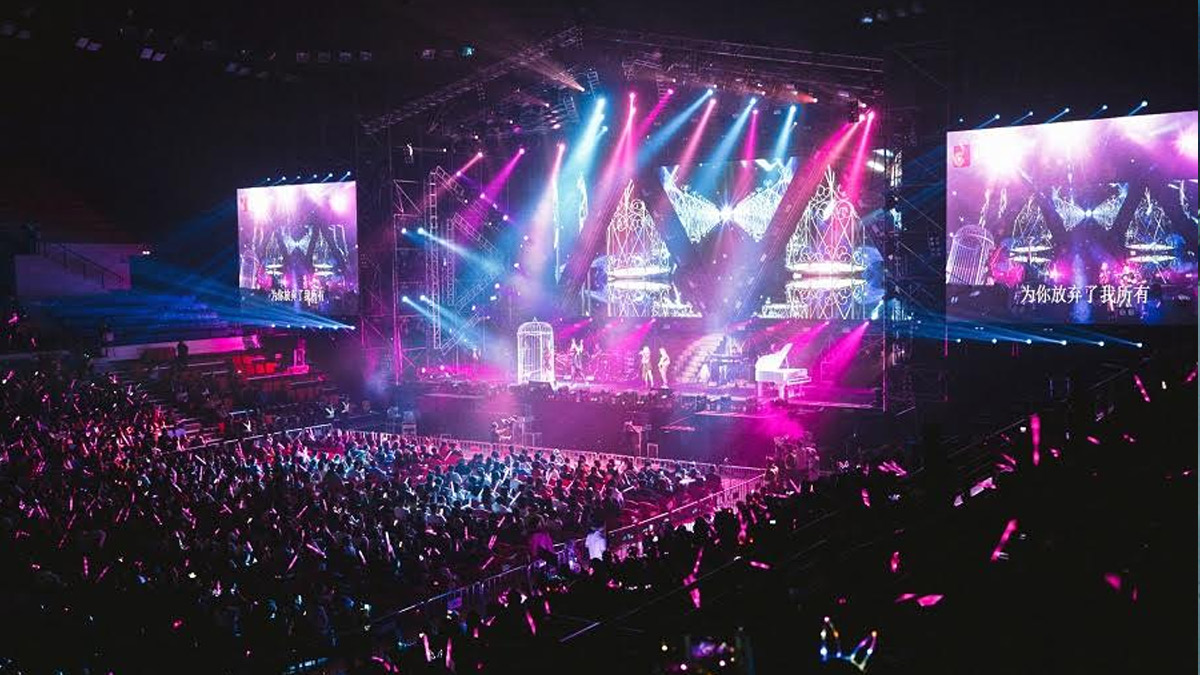
MUMBAI: India’s live events story is getting louder and this time, it’s policy turning up the volume. The fourth meeting of the Live Events Development Cell (LEDC), chaired by Chanchal Kumar, was held on 30 April 2026 at Vigyan Bhavan, bringing together representatives from nine Central Ministries, six States and 12 industry stakeholders to chart the sector’s next phase of growth. The numbers already tell a compelling story. India’s organised live events industry was valued at Rs 145 billion in 2025 and is projected to grow at 10 per cent to Rs 196 billion by 2028 making it one of the fastest-expanding segments within the media and entertainment ecosystem.
Set up in July 2025 by the Ministry of Information and Broadcasting, the LEDC is tasked with turning that momentum into a structured growth engine. Its long-term ambition is ambitious, position India as a global live events hub by 2030 while generating an additional 15–20 million jobs.
At the meeting, officials emphasised the sector’s multiplier effect spanning tourism, employment and allied industries while underlining the need for coordinated execution. A key update was the rollout of a single-window clearance system for live event permissions via the India Cine Hub portal, aimed at simplifying approvals and improving transparency.
States have been urged to adopt the system, alongside implementing the “Model Executive Order for Streamlining Licensing and Permissions for Live Events in India, 2026” by 31 May 2026. The framework seeks to standardise what has long been a fragmented and time-consuming regulatory process.
Beyond permissions, the discussion also turned to infrastructure and talent. A draft concept for greenfield venue development was tabled, alongside plans to build a skilled workforce. The Indian Institute of Mass Communication, in collaboration with industry bodies MESC and EEMA, is set to introduce certificate courses tailored to the live events sector.
Chanchal Kumar stressed that alignment across stakeholders is already in place, with the next challenge being execution at scale. The government, he noted, remains committed to creating a facilitative and transparent ecosystem for organisers.
For an industry once seen as fragmented and event-driven, the message is clear, India’s live events business is no longer just about the show, it’s about building an entire stage for growth.