Broadband
Broadband Forum report links incentives under GST to Digital India success

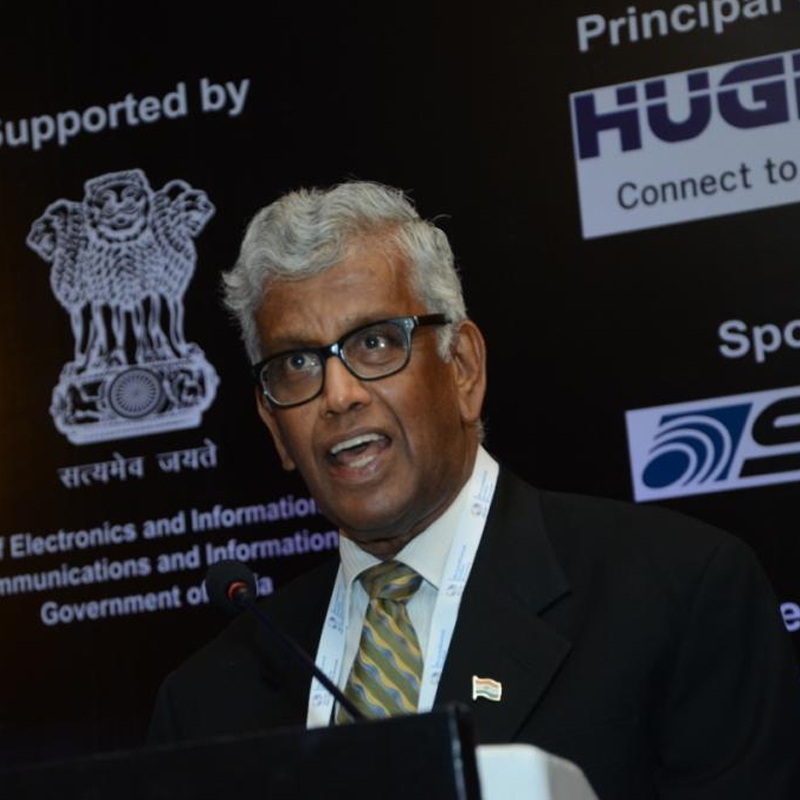
NEW DELHI: As online media consumption in India has shown growth over the past few years with mobile devices having taken over as the preferred medium of consuming online media, the government needs to incentivise further mobile handset manufacturing under the proposed Goods and Services Tax (GST), according to a new study.
The Broadband India Forum (BIF), in association with knowledge partner Ernst & Young (EY), in a research paper unveiled yesterday said that it becomes important to grant incentives to domestic manufacturing in order to set off the “local disabilities” in manufacturing, including the booming mobile handset manufacturing.
Wider deployment of 4G networks along with affordability and indigenisation, smartphones are going to drive mobile broadband to the next level of penetration, the BFI-EY report stated, adding that mobile handset manufacturing in India has gained fresh momentum in the past two years with a number of OEMs and third-party contract manufacturers setting up facilities in the country. The number of mobile handset manufacturing facilities reached 40 in August 2016 from just three in 2014 driven by the increase in duty differential in Union Budget 2015 to 11.5 per cent from five per cent, the report highlighted.
According to Partner EY Bipin Sapra, “(Mobile) Handset manufacturing industry has seen a tremendous growth in past few years driven by government’s ‘Make in India’ initiative and policy changes such as duty reduction on domestically manufactured handsets. It is expected that the adoption of smartphones in India will go up to 688 million by 2020 as compared to 238 million in 2015. With the introduction of GST, most of the current central and state taxes/duties will be subsumed under GST. Thus, it is expected that the incentives available to domestic manufacturers under the current regime would decrease and there is need to continue the incentives under the GST regime to meet the increasing demand through domestic production.”
The report, which notes the country has embarked on one of the world’s most ambitious broadband project with the `Digital India’ programme seeking to transform India into a digitally empowered society and knowledge economy, suggested the government may walk the extra mile to extend similar benefits to the component manufacturers that would encourage more investment in India and give a boost to the handset manufacturing eco-system.
Pointing out that once the eco-system is created, the prices of parts and components may also become more competitive that in turn will reduce the cost of mobile handsets and make Indian handset manufacturers more competitive globally, BIF president T.V. Ramachandran said, “The broadband device today is a smartphone. We need to increase smartphone penetration as India today has less than 30 per cent smartphone penetration. This can only happen through local manufacturing and by further increasing local value addition.”
The GST alone will by itself not be the driver for incentivising manufacturing in a country and some of the essential factors for a sustained manufacturing environment in the country are infrastructure, a robust manufacturing ecosystem, skilled manpower, technology, R&D facilities, etc., the report said.
The report has also come out with a formula that may be adopted to hand out incentives to domestic manufacturing under GST.
Electronics and Information Technology secretary Aruna Sundararajan, who was present during unveiling of the report, said, “This complementary study by EY-BIF, providing how incentives can be continued under GST to the domestic handset industry, will be helpful for the government to frame a better policy and boost local handset manufacturing.”