
News Broadcasting
When the cameras go dark on the White House
Trump and the TV networks are testing who carries more clout


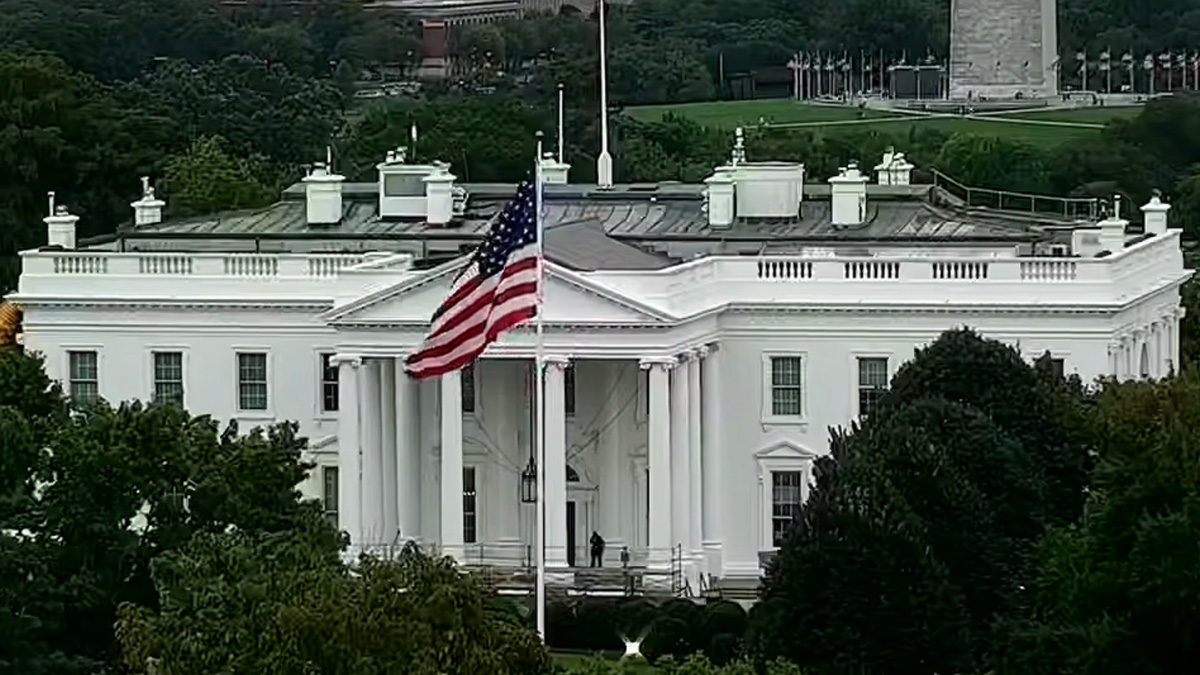
MUMBAI: American television networks have just told President Donald Trump they will not play ball. The five big players in the White House television pool have walked away from their shared coverage duties after Trump barred CNN, MS NOW and Politico from the premises. No shared feed. No pool camera. No easy pictures for the evening bulletins.
This is more than a technical snub. It is the networks putting institutional muscle behind the principle that the government does not get to pick its own press gallery. For decades, the pool system has been a quiet, practical arrangement that lets every outlet see what the president is doing without five separate camera crews jostling for space. By shutting it down in solidarity with the banned organisations, the networks are saying the access rules cannot be rewritten on a presidential whim. They are treating press credentials as a right tied to function, not a favour handed out for good behaviour.
What does this mean for Trump? In the short term, it means fewer controlled images and more awkward gaps in the visual record of his public appearances. The White House can still push its own footage, but that material carries the stamp of official propaganda. Independent pictures, even the mundane ones from the pool, have always carried more weight with viewers who still distrust pure government video. Trump has spent years railing against the “fake news” media. Now parts of that media have simply stopped turning up with cameras. The optics are awkward for a president who thrives on visual dominance.
Yet the episode also reveals how much the ground has shifted. Trump clearly believes his own platform, Truth Social, and the wider social media noise can fill the gap. He treats traditional television as optional, almost disposable. Scores of digital commentators now command millions of followers, each with their own political leanings. They break stories, shape narratives and reach audiences that no longer wait for the evening bulletin. Has television’s clout lessened? The jury is still out. Trump’s move is a clear sign that he thinks it has.
In a world flooded with short videos, live streams and endless posts, the old networks no longer hold the monopoly on what the public sees. Trump is betting that his direct channel to supporters, amplified by a noisy online ecosystem, matters more than the traditional news machine. The ban and the networks’ response show both sides testing that calculation in real time.
There is a deeper cost for the White House. Every time a major network refuses to supply pictures, it chips away at the sense that the administration can dictate the terms of its own visibility. Foreign audiences notice. Allies and adversaries alike see a president who cannot guarantee the usual media infrastructure around him. That perception of friction can matter in diplomacy and markets more than any single soundbite.
For the networks, the risks remain real. Trump has already shown he is willing to punish individual outlets. A prolonged freeze on access could complicate live reporting and invite further retaliation. Advertising clients who prefer quiet relations with the administration may grow nervous. Yet the alternative looked worse: accepting that credentials can be cancelled because the coverage is not sufficiently friendly. Once that door opens, every future administration inherits the same lever. The lawsuit filed by CNN, MS NOW and Politico will test whether the courts still hold the line. History suggests they will.
A new calculation is also at work. The networks are weighing the long-term value of appearing independent against the short-term pain of restricted access. In an age when audiences can smell coordinated softness, a visible stand can protect brand credibility even if it costs some official scoops. Digital platforms and online voices will fill some of the gaps, but the big broadcasters still set the tone for what counts as mainstream coverage. By walking away together, they reduce the chance that any single network is picked off and isolated.
Could anything similar happen in India? The short answer is no. The Modi administration has not held a full press conference in years. Narendra Modi commands vast followings on his social handles. When he needs to communicate, he has the public broadcaster DD on free-to-air and his own platforms. The news channels, hungry for content, pick up the material and amplify it. Access is managed, not negotiated. The administration was tested during the CJP uprising a couple of months ago. The moment passed. It is already forgotten.
Indian news channels operate under a different set of pressures. Regulatory leverage, advertising dependence on government-linked spend, and the constant threat of official displeasure have produced a cautious industry. When access is restricted, it rarely triggers a collective walkout. Solidarity is scarce. Self-preservation is the stronger instinct. A White House-style pool revolt would require institutional confidence that most Indian broadcasters have long since lost.
The American episode therefore serves as a reminder of what a still-combative press can do when it decides the line has been crossed. It also shows how much power has already drained from traditional television into the noisy world of social media and digital commentators. Presidents and prime ministers come and go. Cameras can be switched off. But the silence that follows is now filled by a thousand other voices, and those in power are counting on that.






