
Television
Subhash Chandra moves NCLAT against NCLT stay on Rs 6.25 crore repayment plan
Appeal challenges five-member bench order restraining Chandra from alienating assets


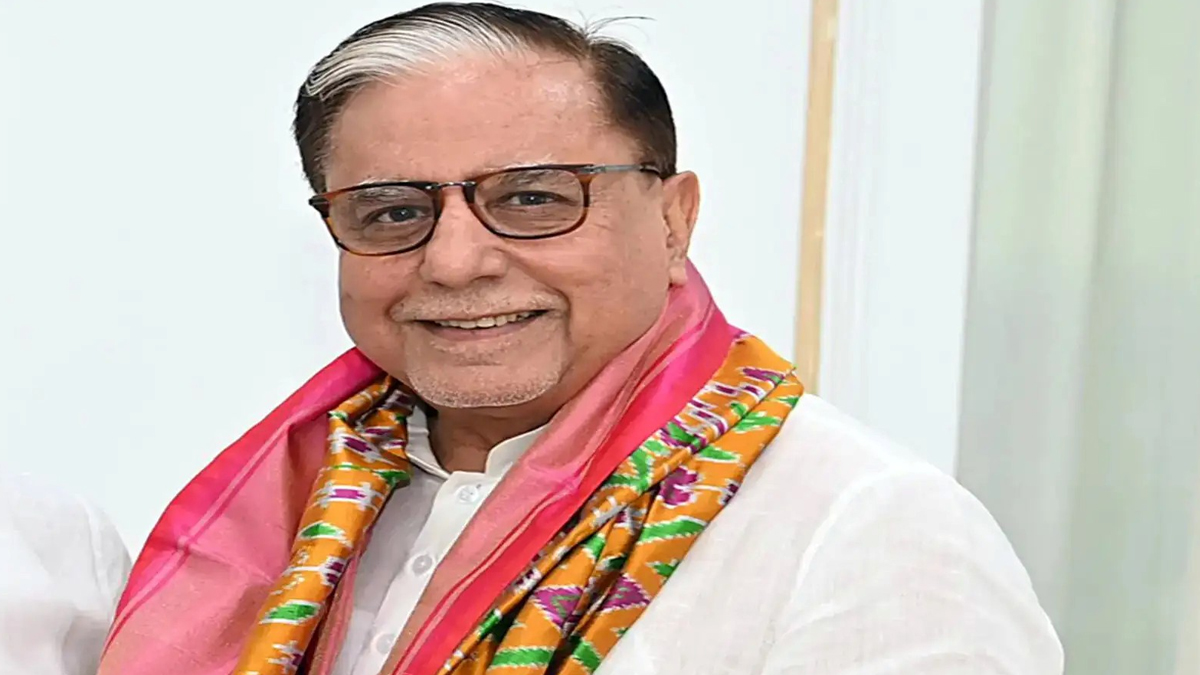
NEW DELHI: Zee Group founder Subhash Chandra has moved the National Company Law Appellate Tribunal (NCLAT) against an NCLT order restraining him from alienating his assets in connection with a personal insolvency case.
A five-member special bench of the National Company Law Tribunal (NCLT) had on 1 September restrained Chandra from alienating any assets and stayed an earlier order that had approved his proposed repayment plan of Rs 6.25 crore to creditors against admitted claims of Rs 22,006.57 crore.
A bench comprising officiating chairperson Justice (retd) Yogesh Khanna and technical members Barun Mitra and Ajai Das Mehrotra took up Chandra’s appeal and directed him to serve copies of the plea on the creditors. The matter has been posted for hearing on 29 September.
Senior advocate Dhruv Mehta, appearing for Chandra, told the appellate tribunal that the appeal challenges the 1 September order passed by the NCLT’s special bench.
Several creditors, however, informed NCLAT that they had either not received copies of the appeal or had not been made parties to the proceedings despite participating in the NCLT case. NCLAT subsequently directed Chandra to provide copies of the appeal to the appearing parties and take steps to implead the necessary parties.
The dispute arises from personal insolvency proceedings initiated against Chandra by Indiabulls Housing Finance under Section 95 of the Insolvency and Bankruptcy Code (IBC).
Under the repayment plan, Chandra proposed to pay Rs 6.25 crore to creditors against admitted claims totalling Rs 22,006.57 crore. A further Rs 25 lakh was earmarked towards insolvency process costs.
The proposal initially came before an NCLT bench comprising judicial member Ashok Kumar Bhardwaj and technical member Reena Sinha Puri, who delivered differing opinions.
Bhardwaj favoured approving the plan only for creditors who had supported it, while allowing dissenting creditors, including banks and financial institutions, to pursue independent remedies for recovery.
Puri rejected the proposal, citing serious defects in the process followed by the resolution professional.
The matter was subsequently referred to a third member, judicial member Nilesh Sharma, under Section 419(5) of the Companies Act, 2013.
On 25 August, Sharma held that the repayment plan should be approved, but directed the exclusion of claims submitted through Anil Kumar on behalf of 960 individuals and Sunil Jain on behalf of 300 individuals. He also directed that the amounts allocated to those claims be redistributed among the remaining eligible creditors.
Sharma further held that the approved plan would bind all creditors, including those who had opposed it, under Section 115 of the IBC.
However, when the matter returned to the original two-member bench, the NCLT held on 31 August that no majority view had emerged from the third member’s order.
The bench noted that the technical member had rejected the plan, the judicial member had proposed restricting it to supporting creditors, while the third member had approved it and made it binding on all creditors.
With the three judgments differing, the matter was referred to the NCLT President, who constituted a five-member bench to hear the case afresh.
The larger bench subsequently restrained Chandra from alienating his assets and stayed the order approving the Rs 6.25 crore repayment proposal against the Rs 22,006.57 crore in admitted claims.
Chandra’s appeal before NCLAT now puts the latest NCLT order before the appellate tribunal, with the matter scheduled for hearing on 29 September.






