Executive Dossier
‘Star One is repositioned to become suitable for youth audiences’ : Ravi Menon – Star One EVP and GM

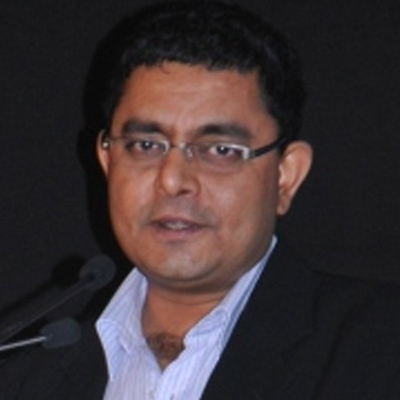
Star One was launched as an upmarket Hindi general entertainment channel, second to Star Plus. Pioneer of big ticket shows like Nach Baliye and The Great Indian Laughter Challenge (TGILC), the channel is now on the path of repositioning.
In an interview with Indiantelevision.com’s Richa Dubey, Star One executive vice president and general manager Ravi Menon talks about Star One’s road ahead as the channel takes up a new positioning to address the youth while tapping family audiences.

Excerpts:
|
Star One has deviated a lot from its earlier positioning of an upmarket channel. What made you to shift from your earlier positioning?
Upmarket audiences are also not very sticky in nature. We found this in some of our popular shows like Sarabhai vs Sarabhai. |
|
|
Is Star One on its way of getting revamped?
Our programming has now become suitable for youth. Our fictions are focussed towards youth, though families can still watch. In reality shows like Zara Nach Ke Dikha, we have roped in young participants and included family elements in it.
Our channel is primarily for youngsters. But we also respect family viewing. |
|
|
What would you identify as your target group (TG)? |
|
|
How have the advertisers responded to your current repositioning? |
|
|
Don’t you think that the youth positioning is risky as we have seen in the case of Zee Next which has a mere 1-2 per cent of market share in the GEC space?
As I said earlier, we get the entire family to watch our channel on the back of youngsters. This strategy will lift Star One above the rest of the other new comers. |
|
|
|
|
Though Star One became the number three GEC for a week in January, since then there has been a constant dip and presently it ranks number 6. How do you explain this? |
|
|
Overall, the GEC market share has got segmented because of new entrants. Do you see that affecting Star One? |
|
|
What kind of money is being pumped in for programming?
But GECs today roughly spend around Rs 7-8 billion. That is because the reality shows are very costly, – jury, studio, star costs have surged. |
|
|
With such high money being pumped in, does it become to protect profitability of channels? |
|
|
Your weekday prime time fresh programming is of two hours. In the other day parts you show repeats of your present as well as older shows like India Calling and The Special Squad. Are you going to expand original content on the channel? |
|
|
For Star One, reality shows like Bol baby Bol and Funjaabi did not become as popular as Laughter Challenge?
Doling out prize money daily was a mistake that we did. Probably if we were to bring another series of the show, we would give money only once a week.
But we have been a trend setter in the stand up comedy front. We hunt the talents and raise the stars. Other channels have started cloning us soon after the success of The Great Indian Laughter Challenge. |
|
|
How will you create an equally big property like Nach Baliye? |
|
|
What big shows are coming up?
We have Zara Nach Ke Dikha which is a celebrity dance competition between boys and girls. It will go on air somewhere in mid July. The slot and day has not been decided yet. There are a few more shows which will be unveiled soon. |
|
|
Can we expect this show to be slotted for weekend prime time while other shows will fill up the weekday primetime band?
Currently the slotting of shows has become very crucial, especially for the prime time. After IPL, many channels have launched shows at the prime time; they were all waiting for IPL to get over. Colors will launch in July and we will monitor everything closely before we fix the timing of our shows. |





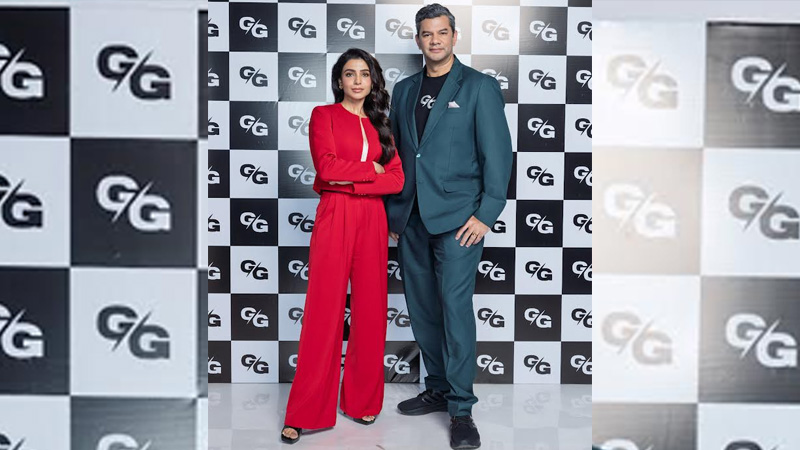
MUMBAI: Game faces on, pressure high India’s gaming ambitions are levelling up. Good Game, billed as the world’s first as-live global gaming reality show, has officially launched in India with a bold mission: to crown the country’s first Global Gaming Superstar.
Blending esports with mainstream entertainment, the show brings together competitive gaming, creativity and on-camera performance in a format that tests more than just joystick skills. Contestants will be judged on gameplay, screen presence and their ability to perform under pressure, reflecting how gaming has evolved from pastime to profession and pop culture currency.
Fronting the show are three high-profile ambassadors: actor and entrepreneur Samantha Ruth Prabhu, Indian cricket star Rishabh Pant, and gaming creator Ujjwal Chaurasia. The winner will take home Rs 1 crore ($100,000) among the largest prize pools for any Indian reality show along with the chance to represent India on a global stage.
Backed by a planned annual investment of up to Rs 100 crore, Good Game is also courting brand partners, promising a minimum reach of 500 million among India’s core youth audience. The creators position the show as a bridge between entertainment and interactive culture, offering long-format content, community engagement and commercial scale.
Auditions are now open to Indian citizens aged 18 and above, inviting amateur and professional gamers, creators and performers alike. Shortlisted candidates will be called for in-person auditions in Mumbai on 14 and 15 February, and in Delhi on 28 February and 1 March 2026.
With big money, big names and even bigger ambition, Good Game signals a shift in how India views gaming not just as play, but as performance, profession and prime-time spectacle.






