Sports
Sportel returns to Singapore, boosting Asia-Pacific sports media ties
Global industry gathers as deals, tech trends and partnerships take centre stage

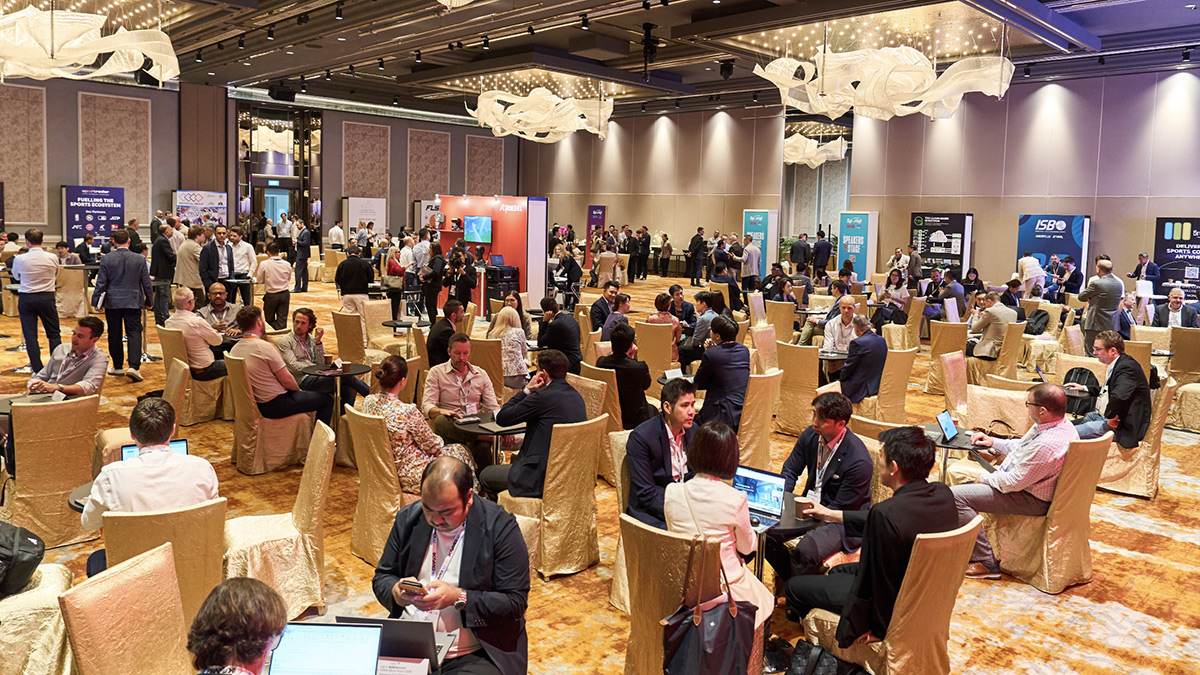
SINGAPORE: Sportel has made a lively return to Singapore, stitching together the Asia-Pacific and global sports media ecosystem in a two-day showcase of deals, dialogue and digital disruption.
Held from 24 to 25 March at the Orchard Hotel, the event drew 370 participants from over 220 companies across 35 countries, underlining the region’s growing pull in the global sports business. From broadcasters and rights holders to tech innovators and media firms, the gathering had all the ingredients of a marketplace in motion.
What stood out was not just the scale, but the balance. Around a third of attendees were content buyers, closely matched by rights holders, creating fertile ground for negotiations and future tie-ups. With 55 per cent of participants travelling from Asia-Pacific and the Middle East, and the rest from Europe and the Americas, Sportel positioned itself as a bridge between regional ambition and global opportunity.
The presence of major players such as Advanced Info Services, Astro, beIN Sports APAC, Bilibili, CJ ENM, Coupang Play, DAZN Japan, Fox Sports Australia, ESPN Australia & New Zealand, Mediacorp, StarHub and Singtel highlighted the region’s growing strategic weight in the sports media landscape.
Beyond business, networking remained the heartbeat of the event. A welcome cocktail hosted by World Table Tennis and curated experiences such as a tour of the National Stadium and the Singapore Sports Museum added a cultural layer to the commercial buzz.
Conference sessions explored the forces reshaping sports media in Asia-Pacific. Topics ranged from evolving media rights dynamics and European leagues expanding into the region, to the rising economic influence of women in Singapore’s sports ecosystem. Technology took centre stage with discussions on cloud production, generative AI, automation, and the ongoing fight against piracy and cybercrime.
Streaming trends also came into focus, with industry leaders unpacking how personalisation is redefining viewer engagement in a digital-first world. Insights into markets like Australia and New Zealand showed how regional ecosystems are adapting to global shifts.
The event wrapped up with the Pitch Perfect Innovation Contest, where companies including Phygital International, Bitmovin, S.O. Casual Creative, Appear and Layercake showcased their ideas. Padraig O’Donovan from Layercake emerged as the winner, earning a full-access pass to Sportel Monaco later this year.
For many, the Singapore edition served as a gateway into the wider Sportel network, particularly for new entrants exploring international markets.
Sportel Asia executive director Agnès Marsan noted, “Singapore has once again proven to be a strategic gateway for connecting the Asia-Pacific sports media industry with the global Sportel community. Beyond the business conducted during the event, these regional editions are essential for welcoming new companies into the Sportel ecosystem and introducing them to the opportunities it offers, because Sportel is where deals are made, partnerships are built, and announcements come to life,” he said.
As Sportel continues to expand its footprint, its Singapore edition underscores the Asia-Pacific region’s growing influence in shaping the future of global sports media.






