English Entertainment
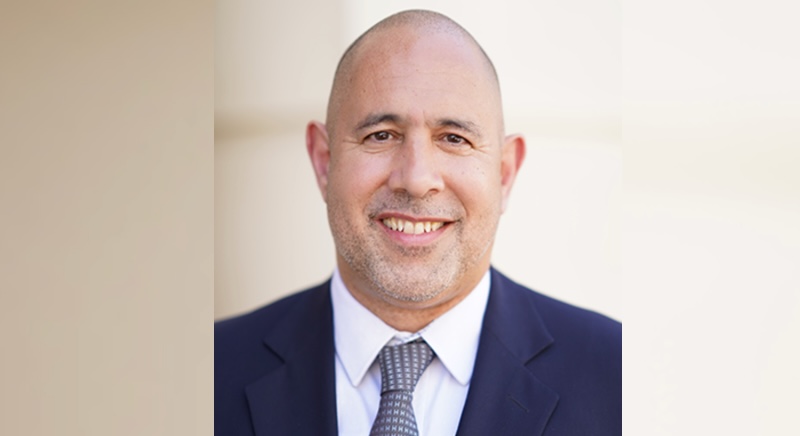
‘India is the biggest market in which SPT Networks, Asia operates’ : Sony Pictures Television Networks Asia executive VP, GM Ricky Ow


|
AXN Network has recently created a new position to focus in its biggest growth market. Sunil Punjabi has been appointed as the business head and will be handling AXN and Animax in India.
Punjabi will lead the team in developing the go-to-market strategy for new channels as well as oversee the development, acquisition and production of a content mix for SPT’s networks in India. He is also charged with driving marketing strategies to grow the channel brands and to pursue further distribution opportunities.
In an interview with Indiantelevision.com‘s Ashwin Pinto, Sony Pictures Television Networks Asia executive VP, GM Ricky Ow talks about the growth prospects, particularly as India enters the digitisation era.
Excerpts: |
|
|
Q. Has India become more of a priority market for SPT Networks Asia in the wake of an economic slowdown which has affected other Asian markets more like Japan and Singapore? |
|
|
Q. So is India gaining importance in terms of business for SPT? This year we’ve invested in research and made a big effort to understand the change in the Indian viewers in the context of the rapid changes in the Indian pay TV landscape with digitisation and the huge increase in new players entering the market. |
|
|
Q. What does the research show so far as AXN is concerned? Consequently, we have kept this in mind as we programme, schedule and promote the channel, which has helped us maintain AXN’s position as the No.1 English GeneralEntertainment channel in India despite the tremendous competition. |
|
|
Q. Is that why AXN Network has created a new position and appointed a business head to run the India operations? |
|
|
|
|
Q. In India we are seeing more players entering the English entertainment space due to anticipation of digitisation. How will this impact viewership?
Digitisation will offer the consumers more choices not only in the number of channels but also in the quality of their viewing experience which was not possible with the current analogue system. We are already seeing some of the impact of digitisation in some of the semi-digitised metros like Mumbai and Delhi where viewers are spending more time with the genres of their choice as well as heading straight to their favourite channels rather than having to surf through channels to get to their final destination.
In a fully digitised world channel brand recognition and what they stand for will become paramount. Fortunately the AXN brand is still very much loved in India and we have become synonymous with the action genre which continues to be extremely popular in India. |
|
|
Q. Are you strengthening your localisation strategy?
So we’re not relying on acquisition alone for tent pole programming. Our original productions enable us to have better control of our own fate, the relationship we have with our viewers and key stakeholders and partners. |
|
|
Q. Are content costs escalating with more demand for content and how do you judge whether or not a property is worth an increase in price? |
|
|
Q. AXN Beyond was re-branded as beTV across Asia. What prompted this move?
beTV was previously AXN Beyond. A very well focused channel dedicated to fans of sci-fi, paranormal and horror programming.
We made the strategic decision to rebrand AXN Beyond because we wanted to build a mainstream Englishentertainment channel that appeals to a wider audience. One that can be a complementary and companion channel to AXN and allowing us to offer a more complete portfolio of English entertainment channels. beTV thus offers easy viewing and engaging entertainment, a place for viewers to chill and unwind much like their favourite hang-out café or hang-out joint. |
|
|
Q. Are you launching this channel in India or are you waiting for digitisation to take concrete shape? |
|
|
Q. How is SPT Networks Asia leveraging HD and 3D and how do you see them enhancing the TV viewing experience?
Our distribution in India is much wider than the top 10 key cities, so the plan to roll out HD is a massive effort for us. In the US, Sony Corporation together with Discovery Communications and Imax Corporation has launched the world’s first and only 3D channel – 3net.
For us, the key for launching HD and 3D is finding the right timing and formula that works for us. |
|
|
Q. Has the pay TV business across Asia been hit by the slowdown or are consumers still willing to pay a good price if they see value?
We have also continued to see growth in our advertising business as pay TV is one of the more cost effective advertising mediums for marketers. AXN not only provides a quality environment that enhances advertisers’ brand image but also appeals to and reaches a very desired audience – the SEC A and SEC AB. Our audience is less affected by the economic crisis and continues to have considerable spending power, which is why it is important for marketers to continue investing with us. |
|
|
Q. In the US, new media is seeing people spending more time watching shows online rather than on the TV channels. Is this a challenge you are starting to face in India and Asia?
The good news for advertisers is that pay TV, in spite of the wide choice available, is still less fragmented than the Internet and offers a well targeted, distinct brand environment for marketers to select. Pay TV brands command loyalty amongst viewer who have been relying on pay TV brands for the past 15 to 20 years and we believe they will continue to do so especially as shared family |