
GECs
Gaurav Banerjee’s Big Bet: Can Sony Out-Curate the Giants?
Banerjee is rebuilding SPNI with attention over volume, a tighter team and regional muscle


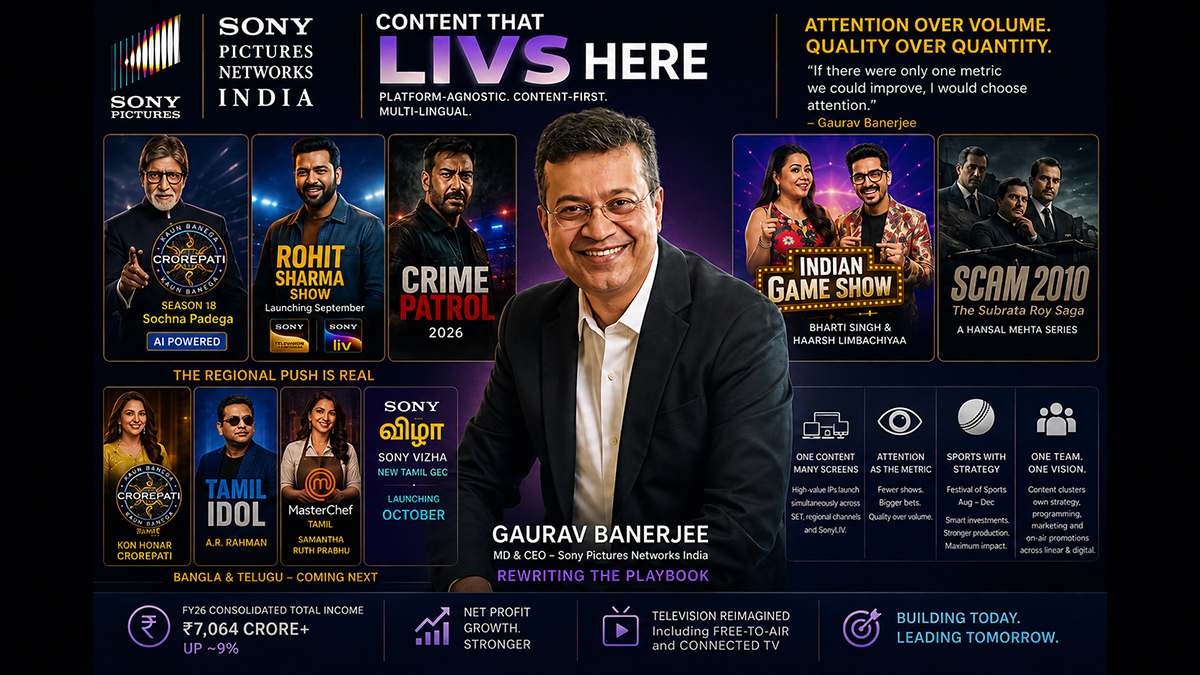
MUMBAI: Gaurav Banerjee is no longer the new boy at Sony Pictures Networks India. He is the man rewriting the playbook.
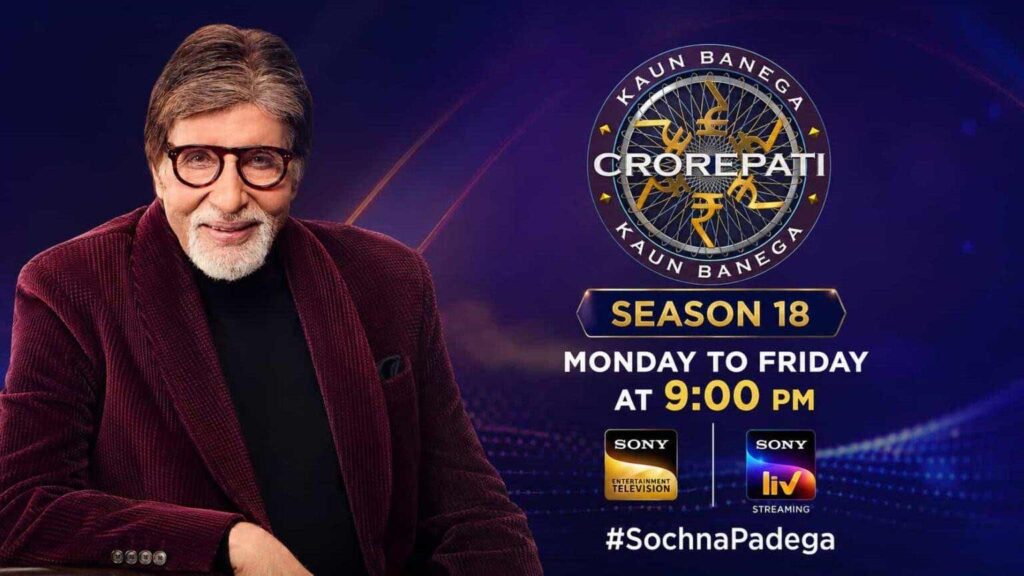
Last week, he unveiled the network’s festive content slate. And it displayed the kind of clarity that only comes when strategy and execution begin to talk to each other. KBC Season 18 with Amitabh Bachchan is already on air, this time with artificial intelligence woven into the fabric and a campaign line that says “Sochna Padega.”
Trivia is dead. Thinking lives.
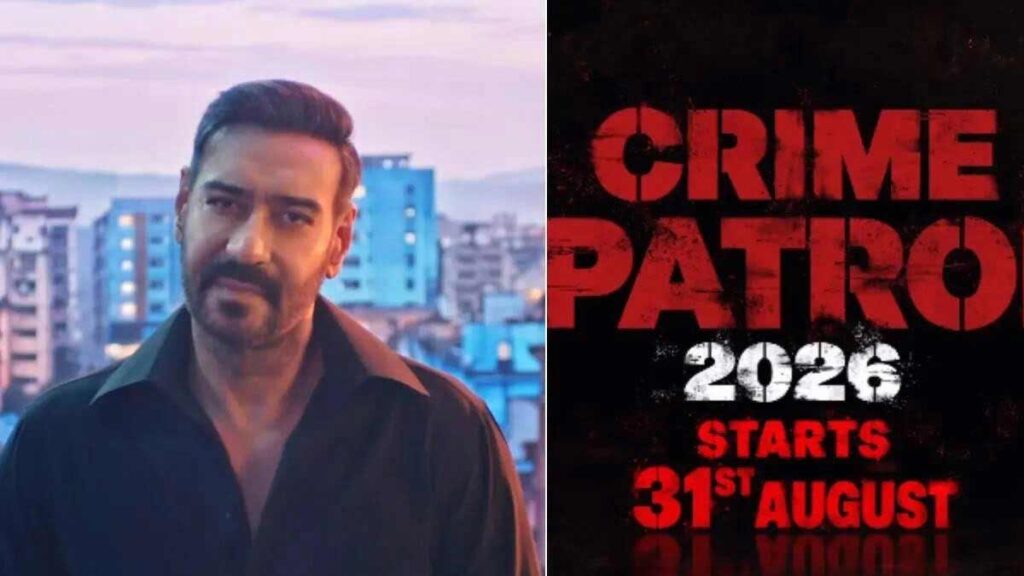
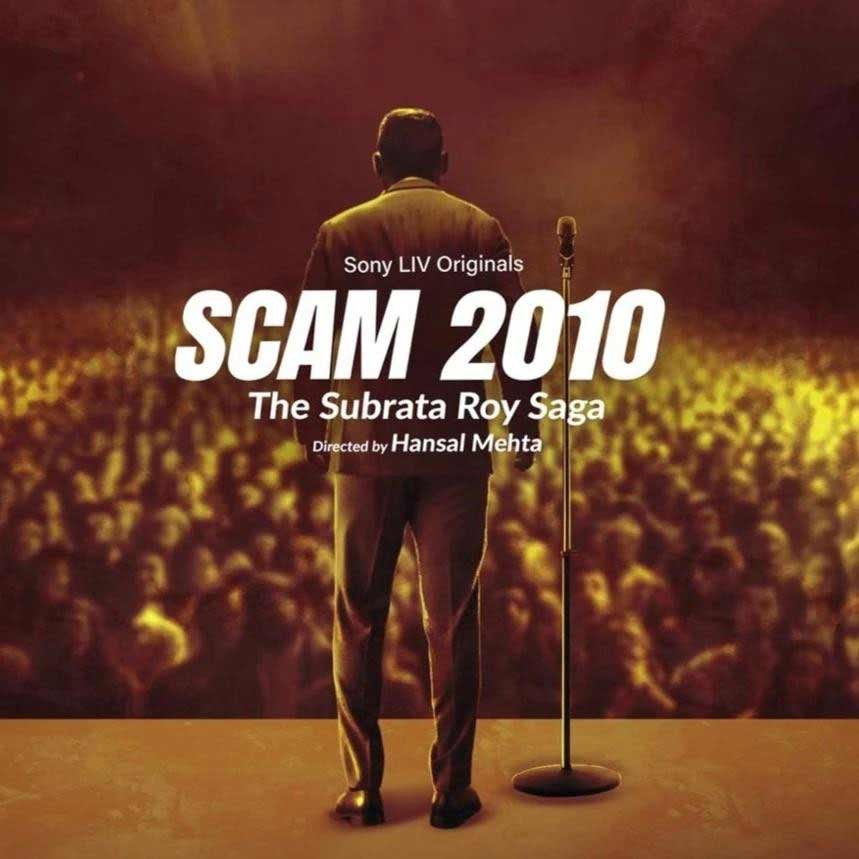
Rohit Sharma, still an active cricket captain, gets his own family entertainment show launching in September on SET and SonyLIV. Ajay Devgn fronts a rebooted Crime Patrol 2026. Bharti Singh and Haarsh Limbachiyaa bring Indian Game Show. Scam 2010 under Hansal Mehta is moving forward despite the earlier legal noise.
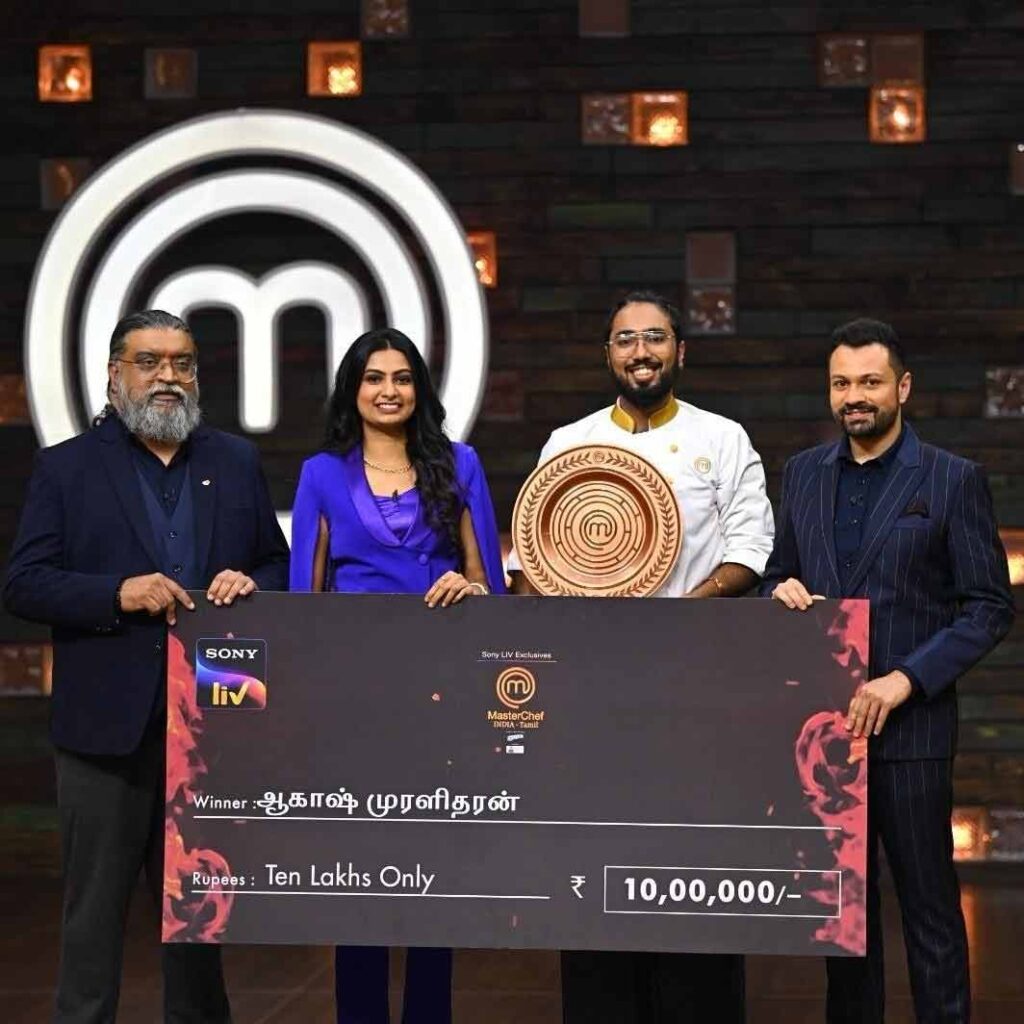
The regional push is no longer a polite afterthought. Madhuri Dixit hosts Kon Honar Crorepati, the Marathi version of the millionaire format. A.R. Rahman leads Tamil Idol. Samantha Ruth Prabhu fronts Celebrity MasterChef Tamil.
Sony Vizha, the new Tamil general entertainment channel, is locked for an October launch. Bangla and Telugu sit next on the roadmap.
Banerjee has said the company will stay in investment mode in these markets for a couple of years before they turn into profit engines. That is the language of someone who understands the difference between land-grab and nation-building.
Beneath the star power and the language expansion sits the more interesting story.
Banerjee is dismantling the old walls between linear television and digital. Platform-agnostic. Content-first. Multi-lingual. “It All LIVs Here.”
The line is neat.
The operating model behind it is harder. High-value intellectual properties are now designed to launch simultaneously across SET, the regional channels and SonyLIV. Content clusters own strategy, programming, marketing and on-air promotions for both screens. The old silo thinking is being retired.
He talks about attention as the primary metric. Not just subscribers. Not just ratings. Attention. “If there were only one metric we could improve, I would choose attention,” he told indiantelevision.com during a recent media interaction.
Fewer shows. Bigger bets. Quality over volume. “We are not in a race to be first as much as we are in the race to be good.”
In a market that still confuses noise with scale, that sentence lands with quiet force.
Sports remains selective. The Festival of Sports runs from mid-August to early December and includes India’s tour of Sri Lanka, the Women’s T20 Asia Cup, the Asian Games and the all-format New Zealand series. Useful for reach and advertiser value. Not a reckless rights binge. Banerjee has been clear that paying for attention does not automatically create a sustainable business. That is the voice of someone who has watched the sports rights bubble from both sides of the table.
The next step is obvious: build edgier sports production using the latest tools so the product itself feels sharper, more immersive, and worth the screen time.
The financial backdrop gives him room to manoeuvre. Estimated consolidated total income for FY26 crossed ₹7,064 crore, up roughly nine per cent. Net profit rose more sharply. Advertising held up, helped by cricket and tentpole properties. Subscription continues to feel the structural pressure that the entire pay-television industry is living with. That pressure is precisely why Banerjee is expanding the definition of television itself to include free-to-air and connected TV. The old pure pay-TV model is no longer enough.
None of this happens without the team. Banerjee has been building it carefully since he took over in August 2024. The January 2026 leadership realignment was the clearest signal of intent. Content clusters now carry end-to-end ownership across linear and digital.
Nachiket Pantvaidya, a three-decade veteran who has returned for his third stint with the network, leads Sony Entertainment Television, Sony Marathi and movie production.
Ajay Bhalwankar, long associated with the comedy and mass entertainment strength of Sony SAB, now oversees SAB, the movies cluster, free-to-air channels and infotainment. Rajaraman Sundaram has been given the southern expansion mandate, a critical brief as the company pushes into Tamil and eventually Telugu. Ambesh Tiwari looks after Sony AATH and the kids business.
On the revenue side, Rajesh Kaul has been installed as chief revenue officer, bringing advertising sales, distribution, sports and international under one roof. Akshay Agrawal heads linear ad sales. Makarand Palekar handles linear distribution. Ranjana Mangla continues to lead digital ad sales and has added YouTube growth strategy. Sony veteran Malvika Prabhu runs the syndication business. Gaurav Laghate leads corporate brand, PR and communications. Manu Wadhwa remains chief HR officer. Mukund Acharya is CTO. More recently, Anurati Tandon, who joined as chief of staff to the MD and CEO, has been given additional responsibility for the digital B2B business. Harsh Deep Chhabra has come in as head of strategy and new business, reporting directly to Banerjee.
Danish Khan’s exit from the digital and Studio NEXT side created a gap that Banerjee has been filling himself in the interim while a permanent digital head is searched for. That temporary oversight is telling. He is not delegating the digital transition entirely. He is staying close to it.
The team is a mix of long-serving Sony hands and carefully chosen external talent. It is not a clean sweep. It is a recalibration. The cultural challenge of making linear and digital teams truly own the same intellectual properties is real. Old habits die hard. Yet the early signs of cohesion are visible in the festive slate itself. Several of the new properties feel like the product of people who are finally working from the same brief.
Banerjee’s own track record helps explain the approach. Years under Uday Shankar at Star India were formative. Shankar’s confidence in him allowed Banerjee to think at true scale — building and protecting major Hindi franchises, launching and scaling regional channels such as Star Jalsha and Star Pravah, and later shaping content across television and Hotstar. That experience of operating at the intersection of mass Hindi entertainment and multi-language expansion is visible in the current SPNI strategy.
The same comfort with scale and brand protection is now being applied to a more fragmented, screen-agnostic reality.
Equally important is the confidence placed in him by Ravi Ahuja. As managing director and CEO of Sony Pictures Networks India, Banerjee reports to the senior leadership of Sony Pictures Entertainment and answers specifically to Ahuja, chairman and chief executive officer of Sony Pictures Entertainment (SPE). Ahuja’s support has given Banerjee the room to reshape the operating model, invest in regional markets, and push a content-first philosophy without constant second-guessing. That combination of Star-honed scale thinking and SPE-backed latitude is what allows the current moves to feel deliberate rather than reactive.
His industry influence extends further. Banerjee also chairs BARC India, the country’s primary television audience measurement body. It is a high-visibility role that puts him at the centre of the ratings currency every broadcaster, advertiser and agency depends on. The challenges there are substantial: restoring and protecting credibility after repeated controversies, expanding measurement to connected TV and multi-screen viewing, restarting long-delayed baseline surveys, navigating the new Television Ratings Policy 2026 with its registration and compliance demands, managing stakeholder conflicts between broadcasters, advertisers and agencies, and dealing with landing-page distortions and court interventions that have already led to ratings suspensions. As the head of a major broadcaster himself, perceptions of conflict of interest are never far away. Uniting a divided industry while modernising an ageing measurement system is no small brief.
Content and structure alone will not be enough. Distribution remains unfinished business. Banerjee has to lock in better carriage on pay-TV platforms for the linear channels, improve SonyLIV’s presence across telcos, DTH and cable operators, and expand FAST TV partnerships so the content travels further without depending solely on traditional pay models.
Sony already sits on a massive social media footprint; the task is to turn that reach into discovery, engagement and conversion rather than just vanity metrics. Kids programming needs sharper focus.
And the entire slate has to work harder at speaking to both older audiences who still value appointment viewing and Gen Z viewers who bounce across screens and formats. Most of all, the team has to monetise every one of these levers better, advertising, subscriptions, FAST, social, sports, kids with tighter packaging and clearer commercial outcomes.
The competitive context remains unforgiving. JioStar still commands enormous scale and sports muscle. Zee continues to punch above its weight in regional and family entertainment. SonyLIV remains relatively smaller in the pure streaming race. Banerjee is not trying to out-volume them. He is trying to out-curate them. Star-led, IP-heavy, multi-screen, multi-language. The bet is that in a fragmented attention economy, distinctive properties that travel across screens and languages will hold more durable value than sheer volume of content.
JioStar will not sit quiet. The merged Reliance-Disney entity is already shifting gear from pure scale to selective profitability while pouring serious money into the very markets Sony is now entering. It has lined up a Rs 12,000 crore push across the four southern states over five years. Of that, Rs 4,000 crore is earmarked specifically for Tamil Nadu’s creative industry and South content — series, films, non-fiction, talent development, infrastructure and creator programmes. Another 1,500 hours of fresh South programming is promised in the next twelve months alone. Overall content spend for the group is running at Rs 32,000–33,000 crore this fiscal.
AI is moving from experiment to operating system: conversational discovery with OpenAI, AI Snapshot recaps, and the new GenAI Media Studio aimed at faster production. Commerce is being positioned as the third revenue engine after ads and subscriptions. Microdramas via Tadka have already pulled in tens of millions of users. JioStar’s push-back will be volume plus technology plus sports monopoly plus deep southern capital. Banerjee’s selective, high-attention approach will be tested against that machine every single week.
Zee is fighting on a different front and it is raising cash specifically to stay in the fight. Shareholders have cleared a Rs 3,143.5 crore preferential issue of fully convertible warrants to promoter-group entity Sunbright Mauritius Investments at Rs 126 per warrant. The money is meant to strengthen the balance sheet and fund the next phase: digital, sports (around Rs 1,000 crore earmarked), AI-powered content, micro-dramas, kids, animation, broadband, experiential businesses and potential acquisitions.
Z5 has turned EBITDA-positive, doubled its premium slate, launched language packs, and is aggressively expanding originals across seven languages. Micro-dramas via Bullet and AI filmmaking tools are live. Sports has returned with FIFA rights through 2034 and four Unite8 channels. Linear remains strong in several regional markets. Zee’s response will be multi-language depth, cost discipline, and a willingness to play both volume and niche, now with fresh promoter capital in the bank. Sony’s Marathi and Tamil moves will run straight into that.
Sun TV Network brings a different kind of pressure, especially in the south where Sony is now arriving as a relative underdog. Sun still dominates Tamil, Telugu, Kannada and Malayalam with deep local franchises, high margins and a profitable core business. It has already expanded northwards with Sun Bangla, Sun Marathi and the free-to-air Hindi channel Sun Neo. Cricket franchises add another revenue stream. SunNXT continues to serve as its digital home.
When Sony Vizha launches in October with Tamil Idol and Celebrity MasterChef Tamil, Sun will respond the only way it knows: more local content, tighter distribution relationships, and the cultural familiarity that a Chennai-based network still owns. Sony’s southern bet is the most ambitious part of Banerjee’s plan. It is also the one most likely to meet the stiffest resistance.
There are risks. Regional expansion is capital intensive and the payback period is not short. Breaking internal silos requires more than new reporting lines; it requires new habits of collaboration.

Attention is an elegant metric until the moment you have to convert it into advertising rupees in a market still heavily influenced by traditional ratings. Distribution across pay-TV, telcos, DTH, cable and FAST has to improve. Social has to work harder. Sports production has to feel edgier. Kids has to deliver. Content has to travel across age groups. And the team has to monetise all of it better. On the BARC front, the measurement system itself remains under pressure credibility, multi-screen expansion, policy compliance and stakeholder trust all need steady handling
Execution across multiple languages and platforms is where most well-written strategies quietly fail. And the three larger or more entrenched players will not gift Sony easy territory — one with a multi-thousand-crore southern war chest, another with fresh promoter capital specifically raised for the battle, and the third sitting on home-turf dominance.
Yet the direction of travel is coherent. The financial numbers give breathing space. The leadership structure is clearer than it was two years ago. The content slate for the festive season shows the philosophy in action rather than just in presentations.
At 49, Banerjee is working on leaving a visible stamp on a company that has spent decades being defined primarily as a television network. The scale thinking he absorbed under Uday Shankar and the operational freedom provided by Ravi Ahuja’s confidence are both visible in the ambition of the current plan.
The industry has seen many “platform-agnostic” declarations. Most remain PowerPoint exercises. Banerjee is trying to make the operating model match the language. The next eighteen to twenty-four months will decide whether the team he has assembled can deliver the consistency and quality the strategy demands, whether distribution and monetisation catch up with the creative ambition, and whether that quality can hold its own against JioStar’s scale and southern billions, Zee’s multi-language depth and fresh cash, and Sun’s southern fortress.
For now, the ball is in play. The formation looks purposeful. The early results are encouraging. The hard yards of sustained execution, tighter distribution, sharper monetisation and the inevitable push-back lie ahead. And that, as any seasoned observer of this industry knows, is where the real story always begins.






