People
Clean hits off the field as Maidaan Saaf bowls into T20 World Cup
Coca-Cola India and ICC take waste segregation centre stage at packed stadiums.

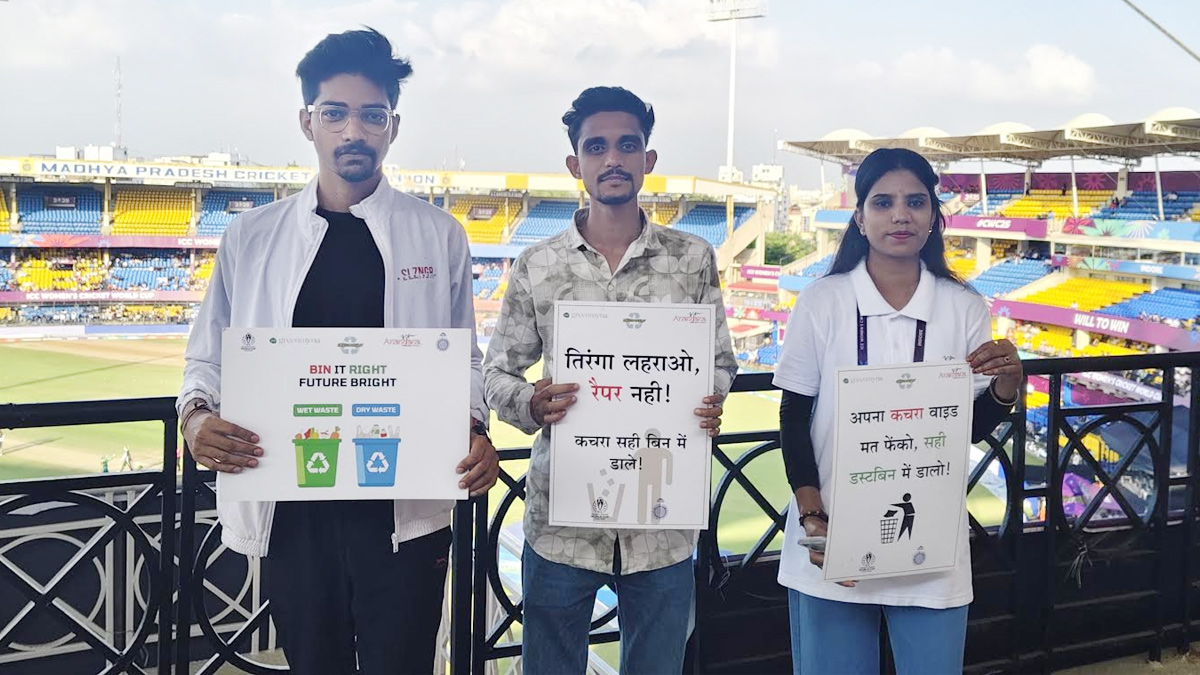
MUMBAI: When the crowd roars and boundaries fly, the bins are getting a workout too. As India gears up to host the ICC Men’s T20 World Cup 2026, the Coca-Cola India Foundation is bringing its #MaidaanSaaf initiative back to the stands, turning match days into a live lesson in responsible waste management.
Rolled out in partnership with the International Cricket Council, #MaidaanSaaf will be implemented across more than 30 matches at five Indian stadiums during the tournament. The initiative focuses on keeping venues cleaner through effective waste segregation, visible collection systems and improved recovery of recyclables at one of the highest-footfall sporting spectacles in the world.
Building on its earlier presence at ICC tournaments, the programme works behind the scenes with stadium authorities, housekeeping teams, recyclers and local partners to strengthen on-ground waste management systems during match days. The idea is simple, make responsible disposal easy, visible and part of the fan experience.

Implementation on the ground will be led by Anandana, in collaboration with Ek Saath – The Earth Foundation and Greenmyna. Across venues, fans will see clearly marked segregation points, material recovery support and on-ground awareness efforts encouraging them to use the right bins and keep common areas litter-free. The focus remains firmly on practical, scalable interventions rather than one-off gestures.
At the heart of #MaidaanSaaf are the safai saathis, the sanitation and housekeeping workforce that keeps stadiums functional during packed fixtures. The initiative places special emphasis on recognising their role, improving segregation infrastructure and enabling structured work processes that help waste move efficiently from stands to sorting and recovery.
Adding a fan-facing twist, sustainable beverage cups will be introduced at select venues. Designed as collectible merchandise, the cups aim to nudge spectators towards mindful consumption and responsible disposal, blending sustainability with souvenir value.
“The ICC Men’s T20 World Cup brings together millions of fans, and with that scale comes a clear responsibility to manage waste thoughtfully,” said Coca-Cola vice president for public affairs for communications and sustainability India and Southwest Asia Devyani R.L. Rana. “Through Maidaan Saaf, we’re integrating responsible waste disposal into the match-day experience by making segregation and collection more visible and accessible for fans.”
ICC chief commercial officer, Anurag Dahiya added that delivering a world-class tournament experience goes beyond the action on the pitch. The collaboration, he said, supports cleaner venues while encouraging fans to actively participate in responsible practices during large sporting events.
The 2026 activation builds on Coca-Cola India’s earlier efforts at major tournaments, including the ICC Men’s Cricket World Cup 2023 and the ICC Women’s Cricket World Cup 2025. During the 2023 event, the company also supported recycled Pet country flags and ICC Unity flags, an initiative later recognised by the Limca Book of Records.
As cricket once again commands the nation’s attention, #MaidaanSaaf is quietly making its case that big moments and clean habits can go hand in hand proving that some of the most important wins happen well beyond the boundary rope.




People
BBC appoints Matt Brittin as 18th Director-General
Former Google EMEA president to lead broadcaster from May amid global change
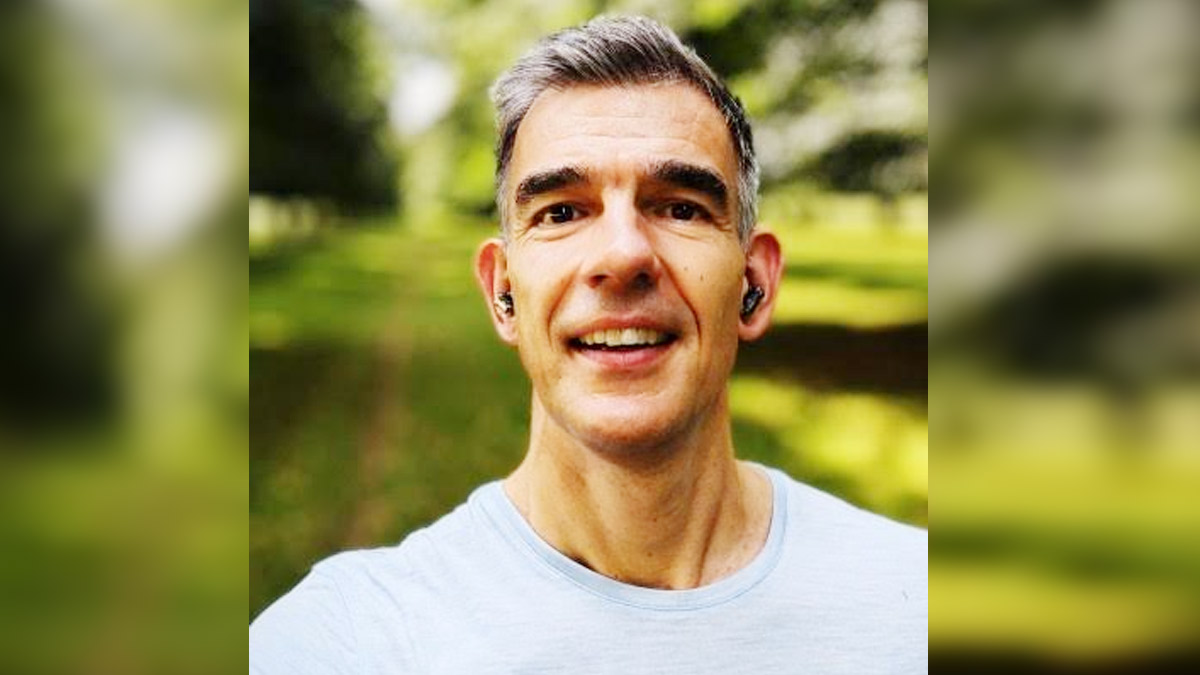
LONDON: The BBC has named Matt Brittin as its 18th Director-General, placing a seasoned technology and media leader at the helm of one of the world’s most influential public broadcasters. He will formally assume the role on 18 May.
Brittin steps into the position after a brief “gap year”, as he described it, returning to the spotlight with a job that, in his own words, was “probably not one either you or I were expecting”. The appointment signals a strategic tilt towards digital expertise at a time when traditional broadcasting continues to evolve at pace.
The new Director-General brings more than 18 years of experience from Google, where he held several senior roles, including President for Europe, the Middle East and Africa. During his tenure, he played a central role in expanding the company’s footprint across Europe and shaping its regional strategy.
More recently, Brittin served as Senior Independent Director at The Guardian, adding boardroom insight from one of Britain’s leading news organisations. His career also spans roles at McKinsey, Trinity Mirror and Sainsbury’s, giving him a broad perspective across media, retail and strategy.
The Director-General position carries dual responsibility as chief executive officer and editor-in-chief, overseeing the BBC’s creative, editorial and operational direction both in the UK and globally. It is a role that demands not just leadership, but a steady editorial compass in an increasingly complex media landscape.
“Now, more than ever, we need a thriving BBC that works for everyone in a complex, uncertain and fast changing world,” Brittin said. He added that the broadcaster remains “an extraordinary, uniquely British asset” with a legacy of innovation in storytelling and technology.
His appointment comes at a moment when public service broadcasters are under pressure to balance tradition with transformation, navigating shifting audience habits, digital disruption and funding debates. Brittin’s blend of Silicon Valley scale and British media sensibility may prove timely.
With “big challenges and big opportunities” ahead, Brittin appears ready to get started. The real test begins in May, when he moves from anticipation to action at Broadcasting House.






