Hardware
AMD reportedly set to raise GPU prices as AI memory crunch deepens
Report says supplier prices may rise 10 per cent from next month amid memory shortages


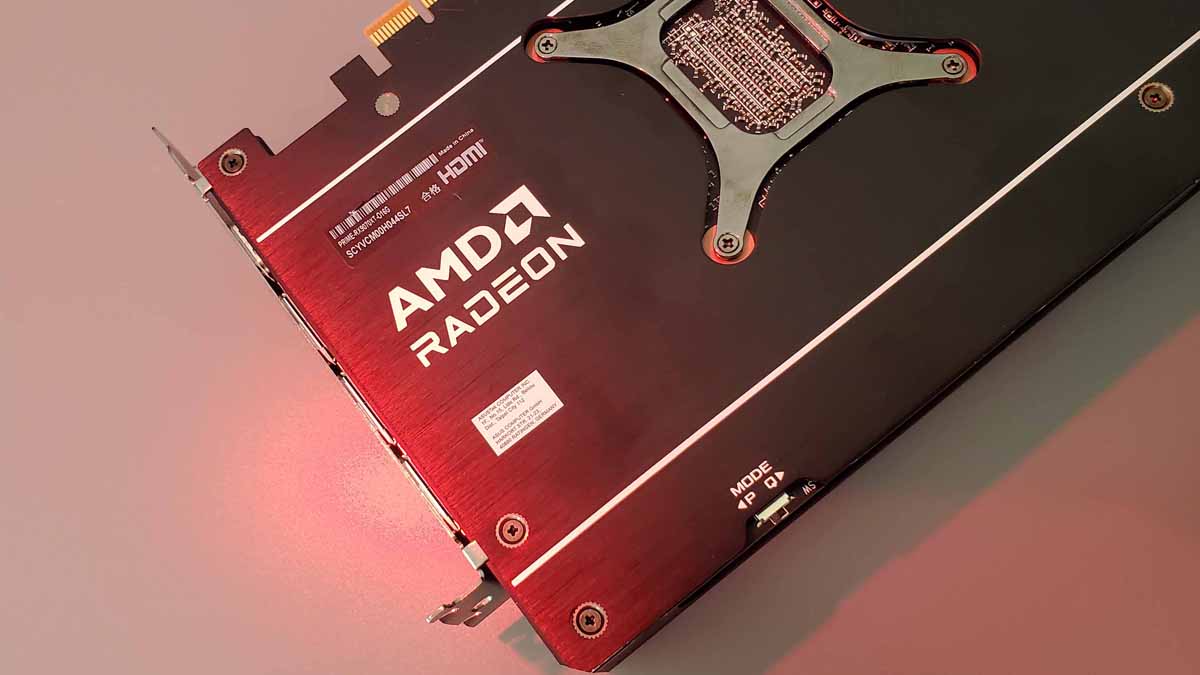
MUMBAI: The graphics card market is getting another reality check and this one comes with a bigger price tag. AMD is reportedly preparing to increase GPU prices by around 10 per cent from next month, as the artificial intelligence-driven memory crunch continues to ripple across the semiconductor industry.
According to hardware leaker Harukaze5719, AMD has informed its add-in-board (AIB) partners that supplier prices for its graphics cards will rise by at least 10 per cent. While the increase would initially apply to manufacturers rather than consumers, industry watchers expect much of the higher cost to be passed on to buyers, given the typically thin margins for board partners.
The reported move comes just days after AMD introduced a new 4GB graphics card, and follows similar supplier-side price increases reportedly announced by rival Nvidia earlier this week.
The report suggests AMD had delayed implementing the increase while waiting for existing inventory levels to decline. It also claims the company timed the move to coincide with Nvidia’s pricing changes, with the aim of bringing the pricing of Radeon GPUs closer to competing GeForce models.
If implemented, the hike could narrow one of AMD’s biggest competitive advantages, value for money.
The flagship Radeon RX 9070 XT, which launched in March 2025 with a recommended retail price of $599, is already retailing for around $700 to $750 on Newegg. Despite that increase, the card has remained a compelling alternative to Nvidia’s GeForce RTX 5070 Ti, offering comparable performance at a lower price.
However, if AMD’s latest increase materialises and Radeon pricing moves closer to Nvidia’s lineup, that value proposition could become significantly less attractive for gamers and PC enthusiasts.
The report remains unconfirmed, with AMD yet to comment publicly. The publication that first reported the rumoured increase said it had approached the company for clarification but had not received a response at the time of publication.
The expected price revision also adds to mounting pressure across the broader hardware market, where AI-driven demand for high-bandwidth memory and advanced chips continues to tighten supply chains. Industry executives have already warned that component shortages are likely to keep hardware prices elevated, with memory availability emerging as one of the biggest constraints on the sector.
For consumers hoping for cheaper PC upgrades, the outlook appears increasingly challenging. As AI continues to compete aggressively for semiconductor resources, graphics cards may become yet another casualty of the race to power the next generation of artificial intelligence.