Satellite Launches
ISRO successfully launches 2,367-kg EOS-05 on GSLV-F17
India’s first geosynchronous imaging satellite launch ends an eight-month lull


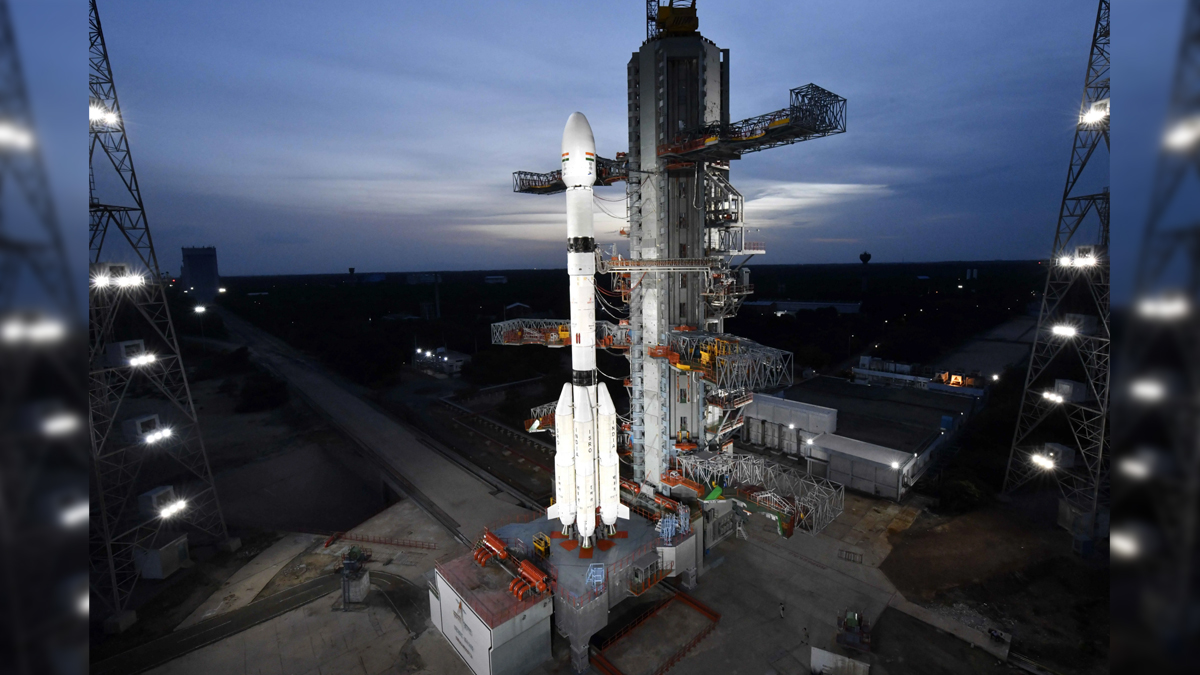
MUMBAI: After a long spell of waiting, ISRO has finally put the brakes on its launch drought and fired up the engines again. The Indian Space Research Organisation successfully launched its advanced Earth observation satellite EOS-05 aboard the GSLV-F17 on Friday, September 4, marking a crucial return to flight for the space agency.
The 2,367-kg satellite lifted off from the second launch pad at the Satish Dhawan Space Centre in Sriharikota at 2.55am and was placed in its intended Sub-Geosynchronous Transfer Orbit (Sub-GTO) around 18 minutes later.
The mission was the 19th flight of the GSLV and the 107th launch from Sriharikota. It also marked the heaviest satellite yet injected by the launch vehicle, a significant step up from the 1,536-kg payload carried on the GSLV-D1, its first launch.
ISRO chairman Dr V Narayanan said the vehicle had progressively improved its performance by reducing structural mass and upgrading its propulsion systems, allowing it to handle the heavier EOS-05.
Once operational, EOS-05 is expected to become India’s first dedicated imaging satellite operating from geosynchronous orbit, around 36,000 km above Earth. Dubbed the “Eye in the Sky”, the satellite is designed to provide real-time imagery that can support areas including agriculture, environmental monitoring and disaster management, besides providing strategic data for the country.
The satellite emerged from the launch in good health. ISRO said its valves were operating properly and its solar panel had been deployed. The agency will now progressively raise the satellite’s orbit before placing it on the required geostationary platform for national applications.
The successful mission also carries significance beyond the satellite itself. It comes after an eight-month launch lull for ISRO following the failure of the PSLV-C62 mission carrying the EOS-N1 Earth observation satellite on January 12, 2026.
That setback followed the earlier failure of PSLV-C61 on May 18, 2025, prompting ISRO to adopt a more cautious approach. Although seven missions, including GSLV-F17/EOS-05, had been scheduled for the first quarter of 2026, no satellite launches took place during that period.
The EOS-05 mission also helps draw a line under the memory of another GSLV setback. In August 2021, the GSLV-F10/EOS-03 mission failed after the vehicle’s first and second stages performed normally but the cryogenic upper stage failed to ignite because of a technical anomaly.
This time, however, the script went according to plan. EOS-05 is now on its way to giving India a sharper view of Earth and GSLV-F17 has given ISRO a much-needed launch back into the spotlight.