Education
How Studying Abroad Builds Global Skills and Career Readiness


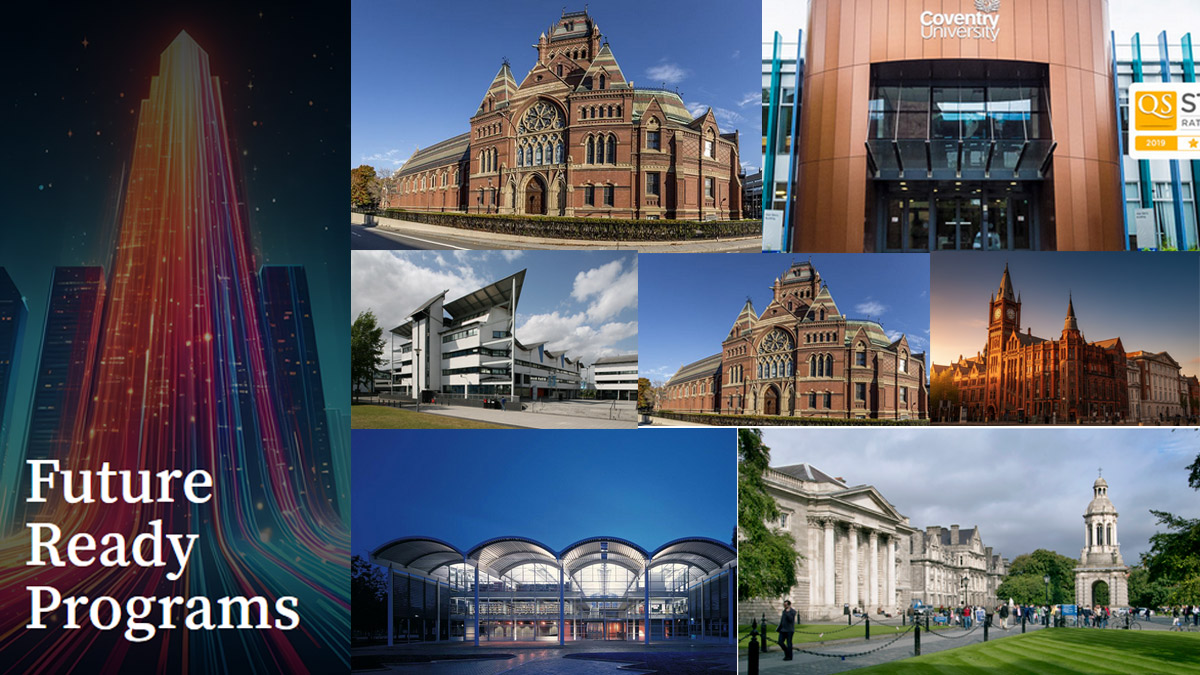
Today’s world is increasingly getting interconnected. Employers often look beyond academic credentials. They look for professionals who can adapt across cultures, communicate effectively in diverse environments, and apply knowledge in a real-world context.
This shift has made studying abroad an important pathway for students who want to develop global skills and long-term career readiness, not just earn an international degree.
Students seeking abroad programs is a decision no longer only about location or ranking. It is about exposure, perspective, and practical competencies that are difficult to acquire within a single national education system. This post explores how study abroad experiences contribute meaningfully to professional development and career preparedness.
Key Takeaways
Provides Exposure to Global Learning Environments
One of the most immediate benefits of studying abroad is exposure to different academic systems. Universities abroad often emphasise independent learning, critical thinking, and application-based assessment rather than rote memorisation. Students are encouraged to question ideas, participate in discussions, and work on projects that reflect real-world challenges.
These environments help students build analytical skills and intellectual confidence. Learning alongside peers from different countries also introduces varied viewpoints, which strengthens problem-solving abilities and encourages open-minded thinking.
Develops Cross-Cultural Communication Skills
Cross-cultural communication is a core skill in today’s global workforce. Students who participate in study abroad programs interact daily with people to improve clarity in communication, cultural sensitivity, and the ability to collaborate across differences.
Such skills are particularly valuable in multinational organisations, global research teams, and industries that operate across borders. Employers often recognise international exposure as evidence of adaptability and interpersonal maturity.
Offers Practical Learning Beyond the Classroom
Many international education systems integrate learning with practical exposure through internships, research projects, industry collaboration, or case-based coursework. These opportunities allow students to apply theoretical knowledge in professional or research-oriented settings.
Practical exposure during study abroad helps students understand workplace expectations, professional ethics, and industry standards in a global context. This experience often bridges the gap between academic learning and employment readiness.
Increases Independence and Decision-Making Ability
Living and studying in a foreign country requires students to manage daily responsibilities independently. From handling finances and accommodation to navigating academic deadlines, students develop self-reliance and decision-making skills.
This independence translates into professional confidence. Graduates who have studied abroad often demonstrate stronger time management, resilience, and accountability qualities that employers associate with leadership potential.
Improves Career Awareness and Global Outlook
Studying abroad broadens career awareness by exposing students to international job markets, emerging industries, and global career pathways. Students gain a clearer understanding of how their field operates across different regions and what skills are transferable internationally.
This awareness helps students make more informed career decisions, whether they choose to work abroad, return to their home country, or pursue international roles. A global outlook also supports long-term career mobility.
Develops Language and Professional Communication Skills
For students studying in countries where English or another global language is the primary medium of instruction, language proficiency improves naturally through immersion. Beyond language fluency, students develop professional communication skills such as academic writing, presentation, and formal discussions.
These competencies are essential in global workplaces, where clear and professional communication is critical for collaboration and career progression.
Helps Build a Global Network
Networking is a long-term benefit of studying abroad that extends beyond graduation. Students build relationships with peers, faculty members, and professionals from different countries. These networks often support future academic collaboration, job opportunities, and professional growth.
A global network also exposes students to diverse career paths and mentorship opportunities, which can be valuable throughout their professional journey.
Develops Career Readiness Through Global Competence
Career readiness is no longer defined only by technical skills. Employers increasingly value global competence, which includes adaptability, cultural awareness, ethical understanding, and collaboration ability. Study abroad experience helps students develop these competencies organically over time.
By combining academic learning with global exposure, students become better prepared for a complex, international work environment. This preparation supports sustained career growth rather than short-term employability alone.
Studying abroad is not a shortcut to career success, but it is a structured way to build global skills, professional maturity, and long-term readiness for an evolving workforce. Students who approach international education with clear goals and realistic expectations gain far more than a degree. They gain perspective, confidence, and competencies that remain relevant across industries and borders.
With access to reliable information and thoughtful guidance, students can make informed choices about international education pathways. Platforms such as Leverage Education support students in understanding study abroad options and planning their academic journey with clarity, while recognising that outcomes ultimately depend on individual effort and informed decision-making.
FAQs
What does studying abroad mean?
Study abroad refers to pursuing part or all of an academic program in a foreign country through recognised universities or student abroad programs, allowing students to gain international academic and cultural exposure.
How does studying abroad help with career readiness?
Studying abroad helps students develop skills such as adaptability, communication, and problem-solving. These skills prepared graduates to work effectively in diverse professional environments.
Does studying abroad guarantee a job after graduation?
No, studying abroad does not guarantee employment. However, it strengthens a student’s profile by building global competence and practical experience that support long-term career growth.