Regulators
Truecaller flags TRAI curbs on caller ID for 140 and 1600 series
CEO says 51 million calls go unanswered daily as spam visibility remains restricted


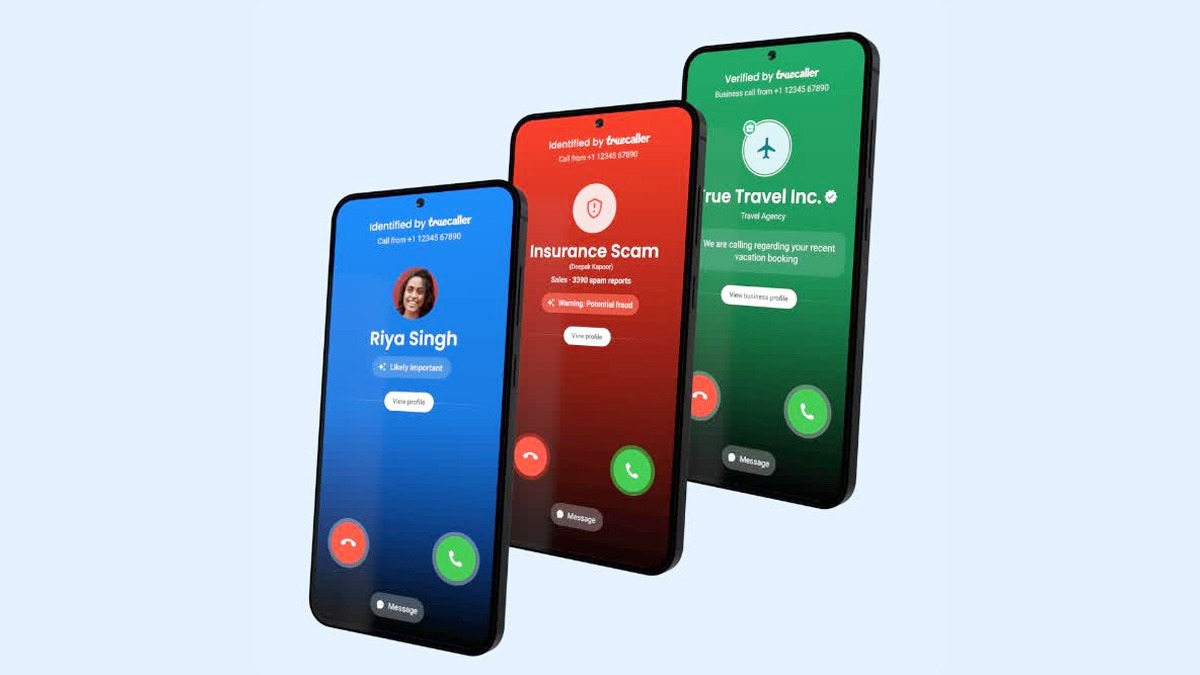
MUMBAI: Sometimes the biggest red flag is the one you can no longer see. A fresh tussle is brewing between telecom regulators and caller identification platforms after Truecaller criticised restrictions on displaying community-reported information for 140 and 1600 series numbers, arguing that the move is making it harder for consumers to distinguish genuine calls from unwanted ones.
The debate follows the Department of Telecommunications’ (DoT) rollout of the 1600 series in May 2025 for banks, financial institutions and insurance companies to make service and transactional calls. The 140 series was earmarked for promotional and telemarketing communications, with the objective of helping consumers identify the nature of incoming calls.
However, according to Truecaller CEO Rishit Jhunjhunwala, the initiative took an unexpected turn after TRAI directed caller identification applications not to display community-reported spam information for numbers using the two series.
In a post on X, Jhunjhunwala said the restriction has reduced transparency for users and weakened the original purpose of the numbering framework. He claimed that more than 51 million calls from 140 and 1600 series numbers now go unanswered every day, with Truecaller data showing users ignored 81 per cent of 140-series calls and 79 per cent of 1600-series calls over the past eight months.
He further alleged that some businesses have begun using 1600-series numbers for promotional calls rather than limiting them to transactional or service-related communication. According to Truecaller, user frustration has grown accordingly, with blocking actions against 1600-series numbers rising 208 per cent since October 2025. During the same period, users manually blocked around 7.4 crore calls originating from these numbers.
To provide users with some additional context without breaching regulatory requirements, Truecaller has introduced a “Frequently Blocked” badge for 1600-series numbers that receive a high volume of user blocks, while stopping short of labelling them as spam.
Jhunjhunwala argued that suppressing community-generated information benefits bad actors rather than consumers.
“They want to enable bad actors and give them an open playground to spam and scam us by censoring community information. We find this unacceptable. Penalise the bad actors, not the ones like Truecaller that make a significant positive impact,” he wrote.
The comments come as TRAI is reportedly seeking additional powers through the Ministry of Electronics and Information Technology (MeitY) that would allow it to regulate caller identification applications and potentially restrict them further from displaying community-based information relating to 140 and 1600 series numbers.
The dispute underscores a growing regulatory dilemma. While authorities are attempting to preserve trust in official communication channels, consumer advocates argue that reducing visibility into potentially unwanted calls could make users even less likely to answer legitimate calls from banks, insurers and government-regulated institutions.
The 1600 numbering initiative has already gained significant adoption. According to government data cited in the report, around 570 organisations regulated by bodies including the RBI, SEBI, IRDAI and PFRDA have adopted the series, collectively subscribing to more than 3,000 numbers.
As regulators and technology platforms continue to debate where transparency ends and regulation begins, the outcome could reshape how millions of Indians decide whether to answer the next call that flashes across their screen.