Regulators
TRAI objects to Truecaller label on 140 and 1600 series calls
Regulator says ‘Frequently Blocked’ tag could undermine trust in genuine calls


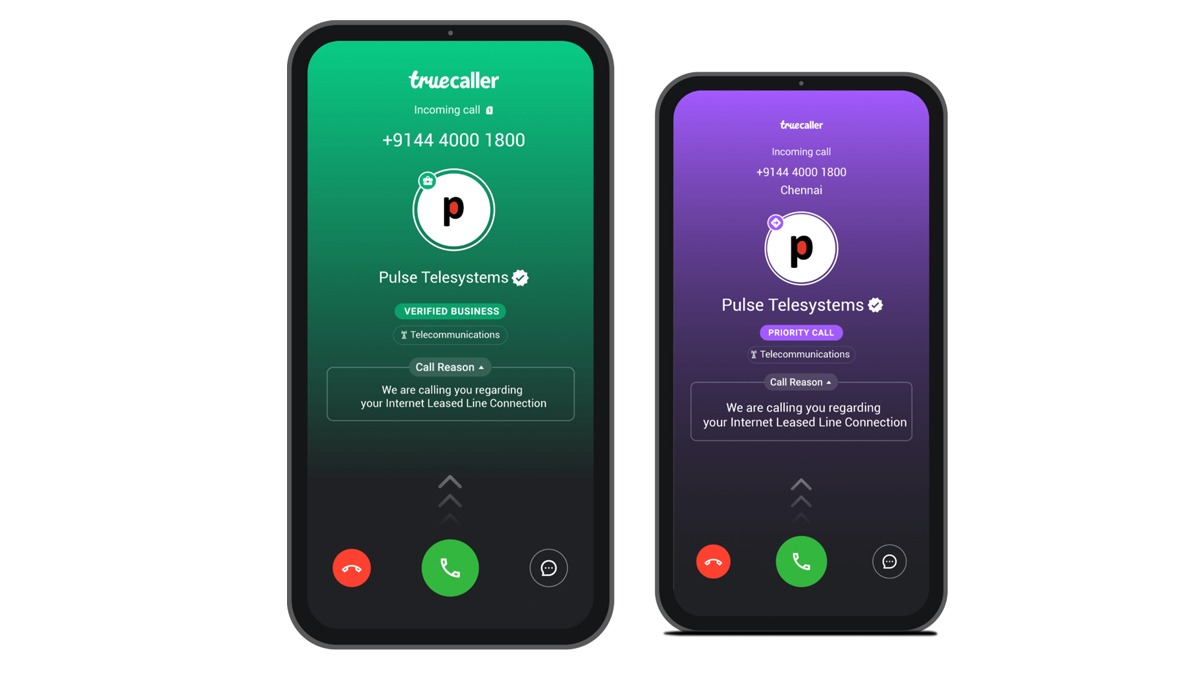
MUMBAI: Not every unfamiliar call is a wolf in sheep’s clothing and TRAI wants consumers to know the difference. The Telecom Regulatory Authority of India (TRAI) has objected to Truecaller displaying a “Frequently Blocked” label on calls originating from the dedicated 140 and 1600 number series, arguing that the tag could create unnecessary suspicion around legitimate communications.
A senior TRAI official told PTI that such labelling is “not advisable”, as both numbering series operate within a regulated framework and are specifically designed to distinguish verified commercial and service-related calls from unregulated telemarketing.
Instead of displaying a “Frequently Blocked” badge, the regulator suggested that caller identification apps should direct users to TRAI’s official Do Not Disturb (DND) preference management app, where they can control promotional communications without casting doubt on genuine calls.
Under TRAI’s numbering framework, the 1600 series is reserved for service and transactional calls from regulated entities, including banks, financial institutions, insurance companies and government agencies. The 140 series, meanwhile, is allocated to registered promotional calls made by businesses across sectors.
According to the regulator, the 1600 series should not carry any warning labels because it is used for critical customer communications from organisations regulated by the Reserve Bank of India (RBI), Securities and Exchange Board of India (SEBI), Insurance Regulatory and Development Authority of India (IRDAI) and the Pension Fund Regulatory and Development Authority (PFRDA), as well as government departments. These calls often include fraud alerts, transaction verification requests and other essential service notifications, making any cautionary tag potentially misleading.
The remarks come amid an ongoing disagreement between TRAI and Truecaller over how calls from the dedicated number ranges should be presented to users.
Truecaller has argued that spam complaints increased after TRAI introduced the 140 and 1600 series while preventing caller identification apps from displaying community-reported spam information for those numbers. According to the company, many users have responded by ignoring or blocking calls from the dedicated series, reducing trust in legitimate business communications.
The company says it no longer labels 140 and 1600 numbers as spam. Instead, it applies a “Frequently Blocked” indicator based on user blocking behaviour, community reports and algorithmic analysis, maintaining that the feature complies with existing regulations.
TRAI, however, maintains that labels such as “Spam” or “Frequently Blocked”, regardless of how they are generated, can influence consumer behaviour and create unwarranted doubts about legitimate commercial calls including communications that users have explicitly opted to receive.
The regulator also argued that identifying individual phone numbers is an ineffective way to tackle spam because telemarketers often switch between multiple numbers. It said the DND framework offers a more effective solution by allowing consumers to block entire categories of promotional calls based on sectors, preferred days and time slots.
Highlighting the scale of the challenge, TRAI said more than 80 per cent of unsolicited marketing calls originate from ordinary mobile and landline numbers, rather than the regulated 140 series. Telecom operators are currently identifying and flagging around 26 crore to 27 crore such non-140 calls every day using AI-based systems mandated by the regulator.
The official added that call management applications remain free to identify and flag these unregulated numbers, where the bulk of spam activity continues to occur.
Rejecting suggestions that the protected numbering series could be exploited, TRAI said businesses seeking to use the 140 series must first register with telecom service providers and declare the purpose of their communications before receiving access to the dedicated numbers, creating a clear trail of accountability.
The regulator also dismissed claims that its framework weakens consumer protection, noting that users already have extensive control over promotional communications through the DND system. Consumers can choose whether to receive promotional calls, select sectors such as banking, healthcare or real estate, and even specify preferred days and time windows.
TRAI recently reiterated that caller identification apps cannot block calls originating from the 1600 series. It also maintained that 140 series calls should not be tagged or filtered outside the official DND mechanism, arguing that such labels risk discouraging consumers from answering genuine calls they have chosen to receive.