Regulators
Supreme Court presses FSSAI on front-of-pack food warning labels
Centre gets two weeks to decide on warnings for foods high in sugar, salt and fat


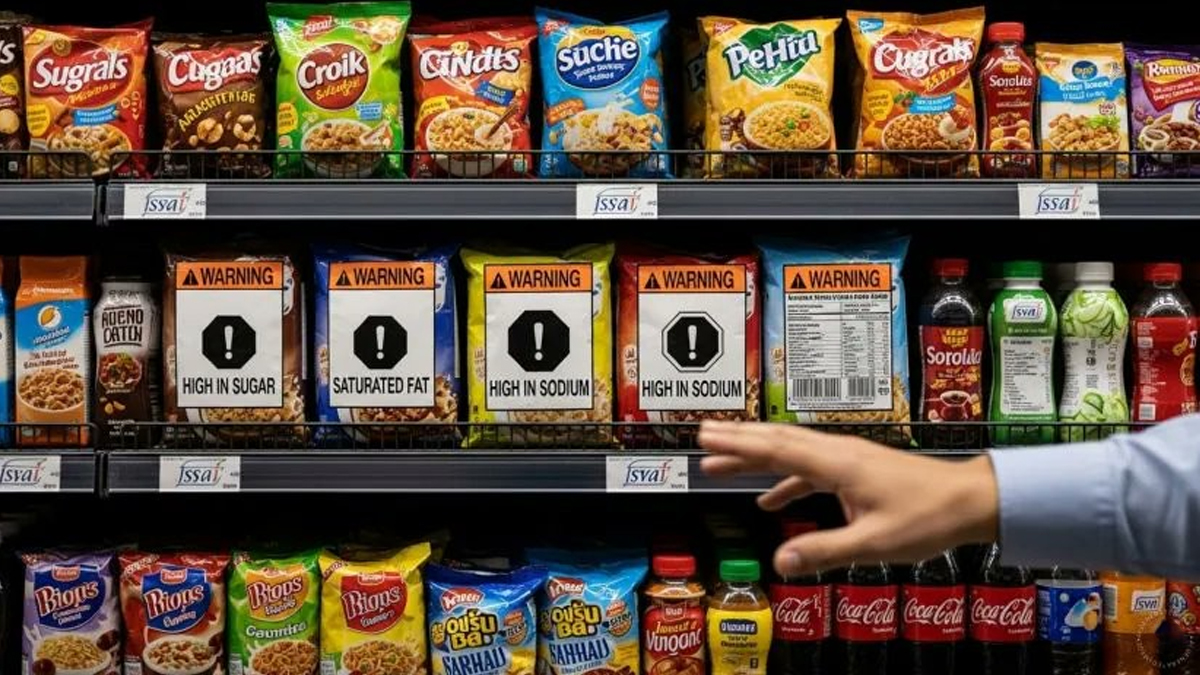
MUMBAI: The writing may be on the packet. The Supreme Court has questioned the Food Safety and Standards Authority of India’s reluctance to introduce front-of-pack warning labels on packaged foods high in sugar, salt and saturated fat, warning that it could issue further directions if the regulator fails to act.
A Bench of Justices JB Pardiwala and KV Viswanathan was hearing a public interest litigation seeking clearer warnings on packaged food products. The Court had earlier asked FSSAI to consider front-of-pack warnings as a public health measure.
During Thursday’s hearing, the Bench referred to minutes of an FSSAI meeting indicating hesitation over implementing the proposed warnings and questioned whether the regulator was facing pressure from food manufacturers.
“Are you taking the court for a toss?” the Bench asked, adding, “You are succumbing to that pressure! We are doing this in public interest.”
Additional Solicitor General Brijender Chahar, appearing for FSSAI and the Union government, argued that warning labels could have implications for traditional Indian foods. He pointed to products such as namkeen, saying they could attract a red warning symbol because Indian diets tend to contain higher levels of salt, fat and sugar than foods in some other countries.
Chahar also cited fat levels in eggs, arguing that even two eggs could cross the stated permissible limit and attract a warning.
The Bench rejected that line of argument, stressing that the purpose of front-of-pack warnings was to ensure consumers knew what they were buying.
“You don’t want people of this country to remain healthy? More particularly growing children?” the judges asked.
The Court clarified that it was not opposed to any particular food product, but wanted consumers to have adequate information before making purchasing decisions. The Bench also pointed to the affordability gap between healthier options and popular packaged snacks.
“In this country, how many people can afford dry fruits? And how many children buy Kurkure? That makes all the difference,” the Bench said, adding that consumers should know what they are consuming.
The judges also questioned why manufacturers’ commercial interests should influence the decision on food labelling. “Manufacturers may not like this because it may affect their business,” the Bench said. “Why are you reluctant to do this?”
Chahar argued that traditional foods account for a significant share of revenue for micro, small and medium enterprises and that such businesses could be affected by the proposed warnings.
The Bench also challenged the Union government’s position that India should have food-labelling standards different from international norms. “Should India remain as an undeveloped country?” it asked, stressing the need for greater concern about citizens’ health, particularly that of children.
The case stems from a PIL seeking mandatory front-of-pack warnings for packaged foods high in sugar, salt and saturated fat. In April 2025, the Supreme Court directed an FSSAI-constituted expert committee to finalise recommendations.
FSSAI later told the Court that the committee had considered the Indian Nutrition Rating system and received more than 14,000 stakeholder comments. However, there was no consensus on the proposed format, with further research and consultations being considered.
The Supreme Court subsequently directed FSSAI to consider front-of-pack warnings. The issue has now returned to the Court with the regulator yet to settle on a final approach. On Thursday, the Bench gave the Centre and FSSAI two weeks to place their final decision on record.
“This is your last chance. Next time we will dictate the judgement,” the Court said, putting the regulator on notice as the long-running debate over how clearly packaged foods should spell out their nutritional risks enters a decisive stage.