
Regulators
Supreme Court declines plea on public viewing of pornographic content
Court says issue needs government policy, asks petitioner to approach Centre


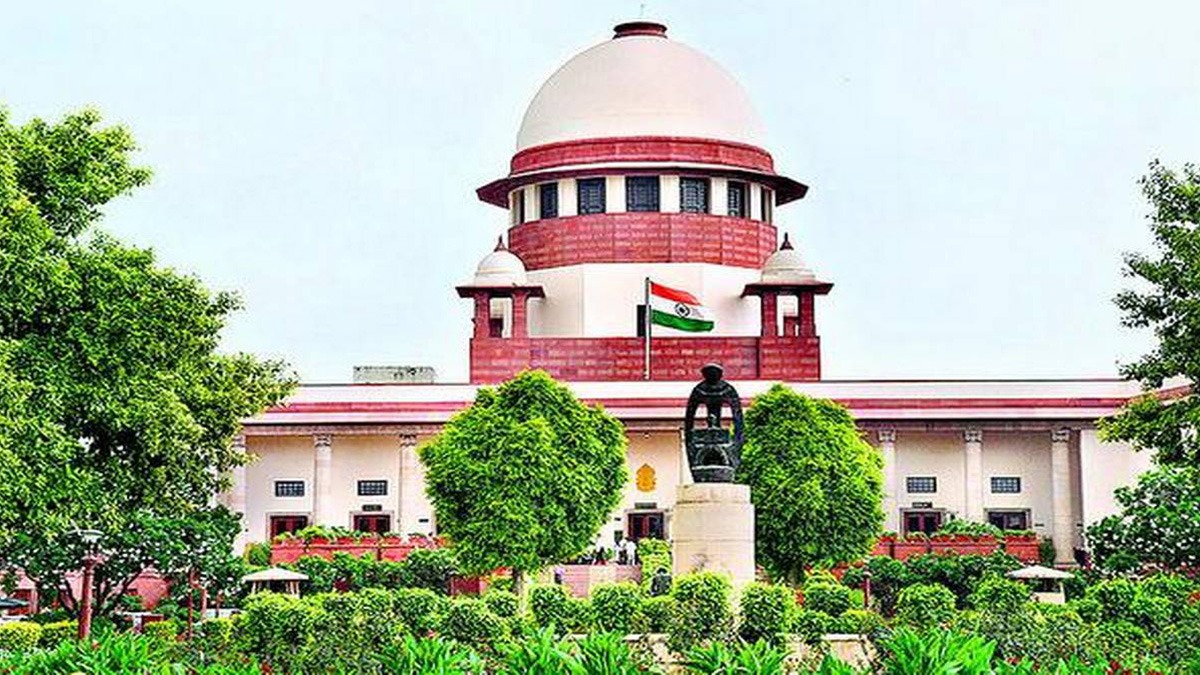
MUMBAI: Not every hot-button issue lands in the court’s lap for a final verdict. The Supreme Court has declined to step into the debate over the public viewing of pornographic content, holding that while the concerns are serious, the solution lies in policymaking rather than judicial directions.
According to media reports, a Bench comprising Chief Justice Surya Kant and Justices Joymalya Bagchi and V. Mohana on Monday dismissed a public interest litigation (PIL) seeking directions to the Centre to formulate a policy prohibiting the viewing of pornographic content in public places.
The court observed that the issues raised were “of paramount importance”, but did not involve a question of law requiring the Supreme Court’s intervention. Instead, it directed the petitioner to submit a representation to the appropriate government authorities for consideration.
The Bench noted that regulating online content and designing technological safeguards require specialised expertise and policy deliberation, making the matter better suited for the Ministry of Electronics and Information Technology (MeitY) and other expert bodies.
The PIL was filed by social worker B.L. Jain through advocate Varun Thakur, seeking a national policy and action plan to curb access to pornographic content, particularly by minors, while also prohibiting the viewing of such material in public places. The petition argued that the rapid proliferation of internet-enabled devices has made pornographic content widely accessible, leading to excessive consumption and addiction. It also referred to online pornography statistics to highlight the scale of the issue.
Further, the plea contended that the government already has powers under Section 69A of the Information Technology Act, 2000, to block public access to online content where necessary and urged the Centre to frame a comprehensive regulatory framework.
The petitioner also claimed that increasing consumption of pornographic content has contributed to a rise in sexual offences, arguing that stronger regulatory measures are needed to address the issue.
While the Supreme Court refrained from issuing any directions, its observations make clear that the next move rests with policymakers. By steering the matter towards the executive, the court has reinforced the distinction between interpreting the law and crafting public policy in an increasingly complex digital landscape.






