
I&B Ministry
Publications Division puts 227 e-books, India Year Book free on WAVES platform
Journals and job weekly go digital on WAVES, expanding access nationwide


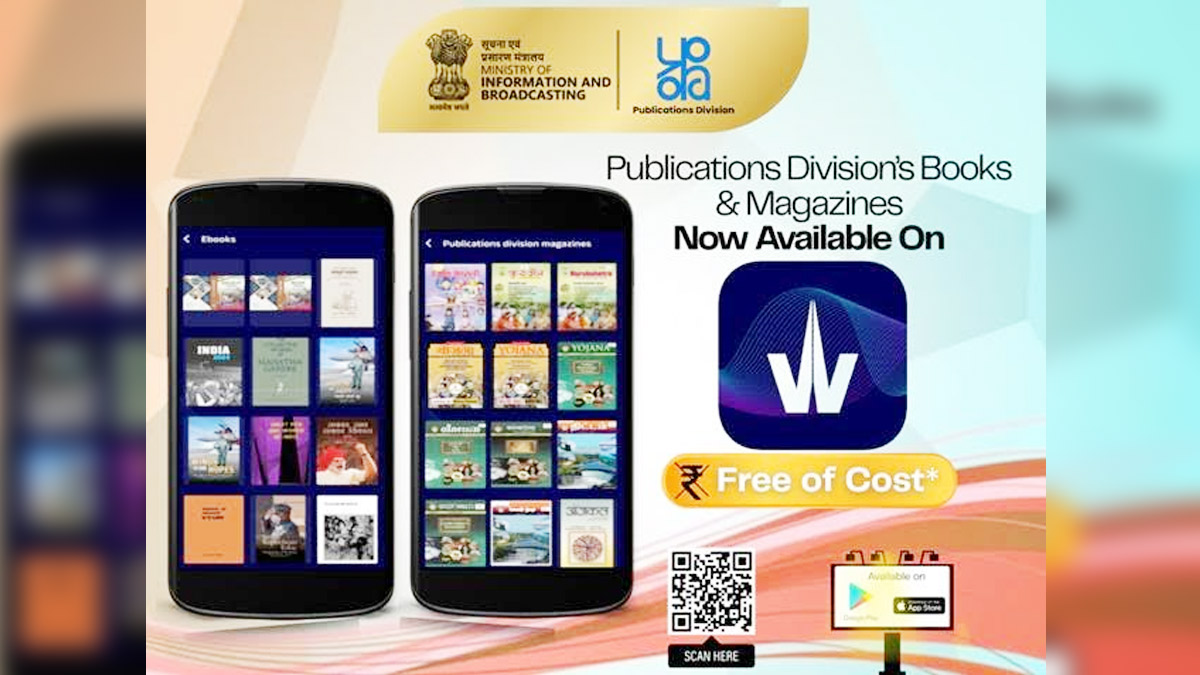
NEW DELHI: In a move that blends public knowledge with digital ease, the Publications Division has released 227 e-books, including the widely referenced India Year Book, for free access on the WAVES OTT platform.
The initiative, rolled out in collaboration with Prasar Bharati, also brings flagship journals such as Yojana, Kurukshetra, Aajkal and Bal Bharati, along with the weekly Employment News, onto the digital platform at no cost. The aim is simple yet significant: make credible, insightful content available to anyone with a screen and curiosity.
These publications have long held a reputation for unpacking socio-economic issues, rural development, literature and education in an accessible way. Employment News, in particular, continues to serve as a dependable guide for job seekers, offering updates on vacancies, recruitment notices, career advice and skill-building opportunities.
Beyond journals, the platform now hosts a diverse library of e-books spanning multiple genres. At the centre of this collection is the India Year Book, known for its comprehensive overview of the country’s governance, economy and development landscape.
The digital push is far from over. The Publications Division plans to add around 300 more e-books by the end of April, this time at nominal prices to keep them affordable while sustaining the publishing ecosystem.
For those who still prefer the feel of paper, the initiative also bridges the online-offline divide. Printed titles can now be purchased via the WAVES platform through the CSC Grameen eStore, enabled by the ONDC framework. Currently, 524 physical books are available, with delivery extending to rural and remote areas.
By combining free digital access, low-cost content and physical availability, the Publications Division is building a reading ecosystem that meets audiences where they are. For readers across India, it is one more reason to swap idle scrolling for informed browsing.






