
I&B Ministry
Prasar Bharati extends Waves OTT channel onboarding deadline to 31 March 2026
Broadcasters gain extra time for applications on revenue-sharing streaming platform.


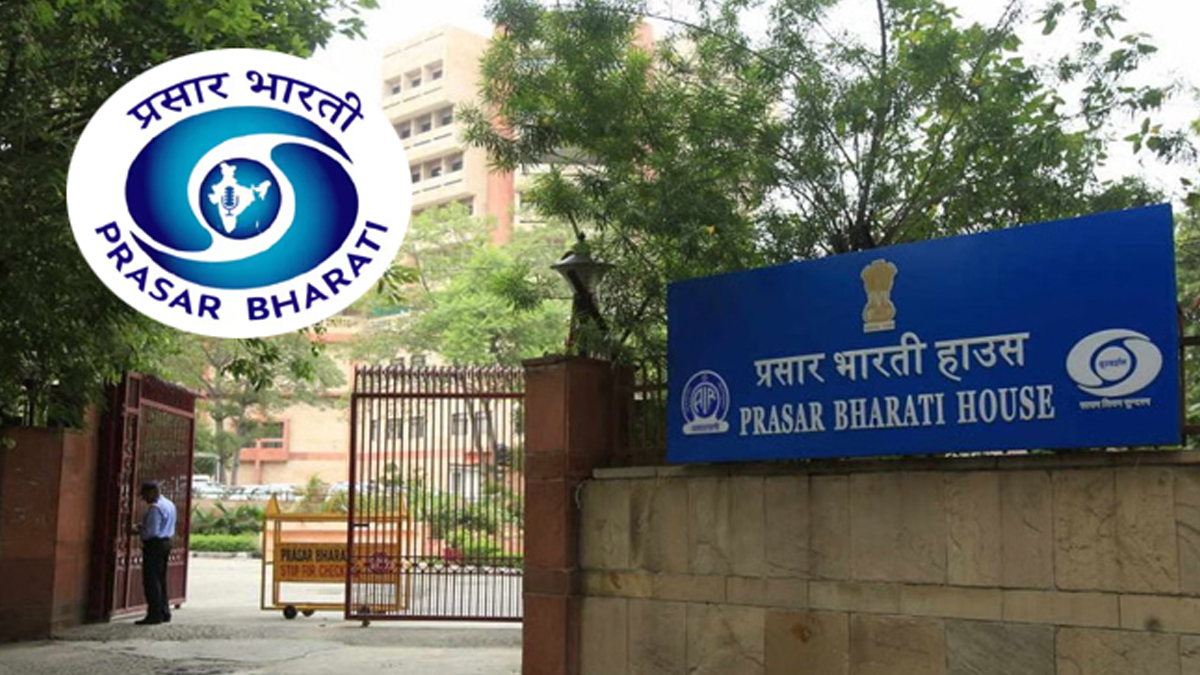
MUMBAI: Riding the Waves of digital delay, Prasar Bharati has thrown broadcasters a lifeline by pushing back the deadline for hopping aboard its OTT platform because who doesn’t love a bit more time to stream their dreams? India’s public service broadcaster, on 19 February 2026, announced an extension to the original cut-off from 1 December 2025, giving eager satellite TV channels until 31 March 2026 to submit their bids for a spot on Waves. This follows the initial call-out dated 17 November 2025 under notice No. OTT/2(02)/2024/Platform/529, inviting licensed linear channels to join the streaming party for a one-year stint starting from their onboard date.
Only channels permitted by the Ministry of Information and Broadcasting (I&B) for downlinking and distribution in India qualify, and applications must come straight from the companies holding those golden tickets no third-party proxies allowed. Broadcasters need to supply an SCTE-35 marker-enabled feed to signal ad breaks, ensuring the stream flows smoothly without awkward pauses.
Here’s where the money tune plays, Successful channels get carried on a revenue-sharing basis, splitting the net spoils 65:35, that’s 65 per cent to the channel and 35 per cent to Prasar Bharati after deducting costs like transcoding, CDN bandwidth, and ad agency commissions. Prasar Bharati handles ad insertions at marker points, and if slots go unfilled, they’ll plug in promos for themselves or the channels, keeping the vibe promotional yet practical.
No room for fuzzy details applicants must provide crystal-clear proof of their channel’s genre (think GEC, movies, music, news & current affairs, sports, devotional, kids, or others) and language, backed by evidence from MSO/DTH placements, regulatory nods like TRAI or MIB, DAVP docs, or even BARC ratings. Ambiguity? That’s a swift rejection slip.
Channels get ranked by their DAVP rate card prowess, with the highest bidders in each category snagging the streaming slots, it’s like a broadcast beauty contest judged on ad rates across time bands. The application drill? Fill out the prescribed form in Annexure-1, bundle it with docs from Annexure-2 (including permissions, logos, PAN, GST, undertakings, and authority letters), and email the lot to ddfreedish@prasarbharati.gov.in by 5:00 PM on 31 March 2026.
Interim submissions aren’t left in the lurch, they’ll be considered too. Winners receive a ‘Letter of Allotment’, followed by a must-sign agreement in two originals within 15 days, plus tech details for seamless integration. For the full playbook, dip into clause 11.2 of Prasar Bharati’s Content Sourcing Policy 2024 on their website.
In a world where streaming wars rage on, this extension might just be the breather broadcasters need to tune up their pitches after all, better late than never in the OTT ocean.






