I&B Ministry
Prasar Bharati extends Waves OTT channel onboarding deadline to 31 March 2026
Broadcasters gain extra time for applications on revenue-sharing streaming platform.

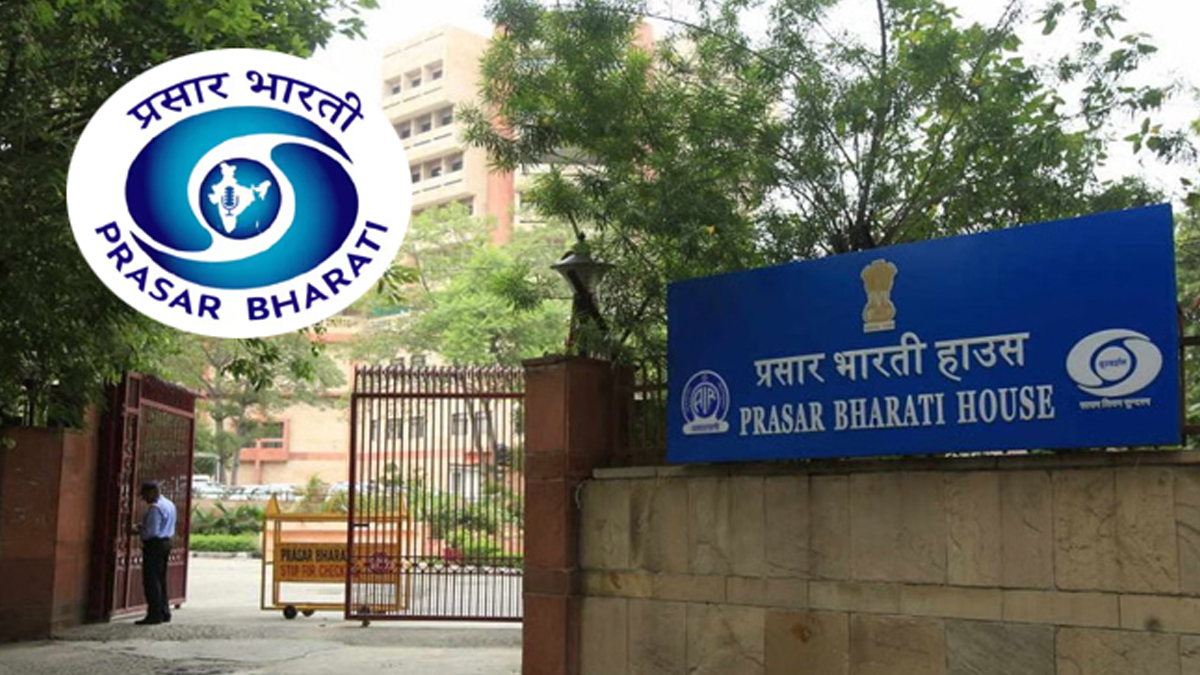
MUMBAI: Riding the Waves of digital delay, Prasar Bharati has thrown broadcasters a lifeline by pushing back the deadline for hopping aboard its OTT platform because who doesn’t love a bit more time to stream their dreams? India’s public service broadcaster, on 19 February 2026, announced an extension to the original cut-off from 1 December 2025, giving eager satellite TV channels until 31 March 2026 to submit their bids for a spot on Waves. This follows the initial call-out dated 17 November 2025 under notice No. OTT/2(02)/2024/Platform/529, inviting licensed linear channels to join the streaming party for a one-year stint starting from their onboard date.
Only channels permitted by the Ministry of Information and Broadcasting (I&B) for downlinking and distribution in India qualify, and applications must come straight from the companies holding those golden tickets no third-party proxies allowed. Broadcasters need to supply an SCTE-35 marker-enabled feed to signal ad breaks, ensuring the stream flows smoothly without awkward pauses.
Here’s where the money tune plays, Successful channels get carried on a revenue-sharing basis, splitting the net spoils 65:35, that’s 65 per cent to the channel and 35 per cent to Prasar Bharati after deducting costs like transcoding, CDN bandwidth, and ad agency commissions. Prasar Bharati handles ad insertions at marker points, and if slots go unfilled, they’ll plug in promos for themselves or the channels, keeping the vibe promotional yet practical.

No room for fuzzy details applicants must provide crystal-clear proof of their channel’s genre (think GEC, movies, music, news & current affairs, sports, devotional, kids, or others) and language, backed by evidence from MSO/DTH placements, regulatory nods like TRAI or MIB, DAVP docs, or even BARC ratings. Ambiguity? That’s a swift rejection slip.
Channels get ranked by their DAVP rate card prowess, with the highest bidders in each category snagging the streaming slots, it’s like a broadcast beauty contest judged on ad rates across time bands. The application drill? Fill out the prescribed form in Annexure-1, bundle it with docs from Annexure-2 (including permissions, logos, PAN, GST, undertakings, and authority letters), and email the lot to ddfreedish@prasarbharati.gov.in by 5:00 PM on 31 March 2026.
Interim submissions aren’t left in the lurch, they’ll be considered too. Winners receive a ‘Letter of Allotment’, followed by a must-sign agreement in two originals within 15 days, plus tech details for seamless integration. For the full playbook, dip into clause 11.2 of Prasar Bharati’s Content Sourcing Policy 2024 on their website.
In a world where streaming wars rage on, this extension might just be the breather broadcasters need to tune up their pitches after all, better late than never in the OTT ocean.




I&B Ministry
PIB Fact Check Unit flags 2,913 fake claims, blocks 1,400 URLs
Government steps up misinformation fight with FCU and IT Rules framework.
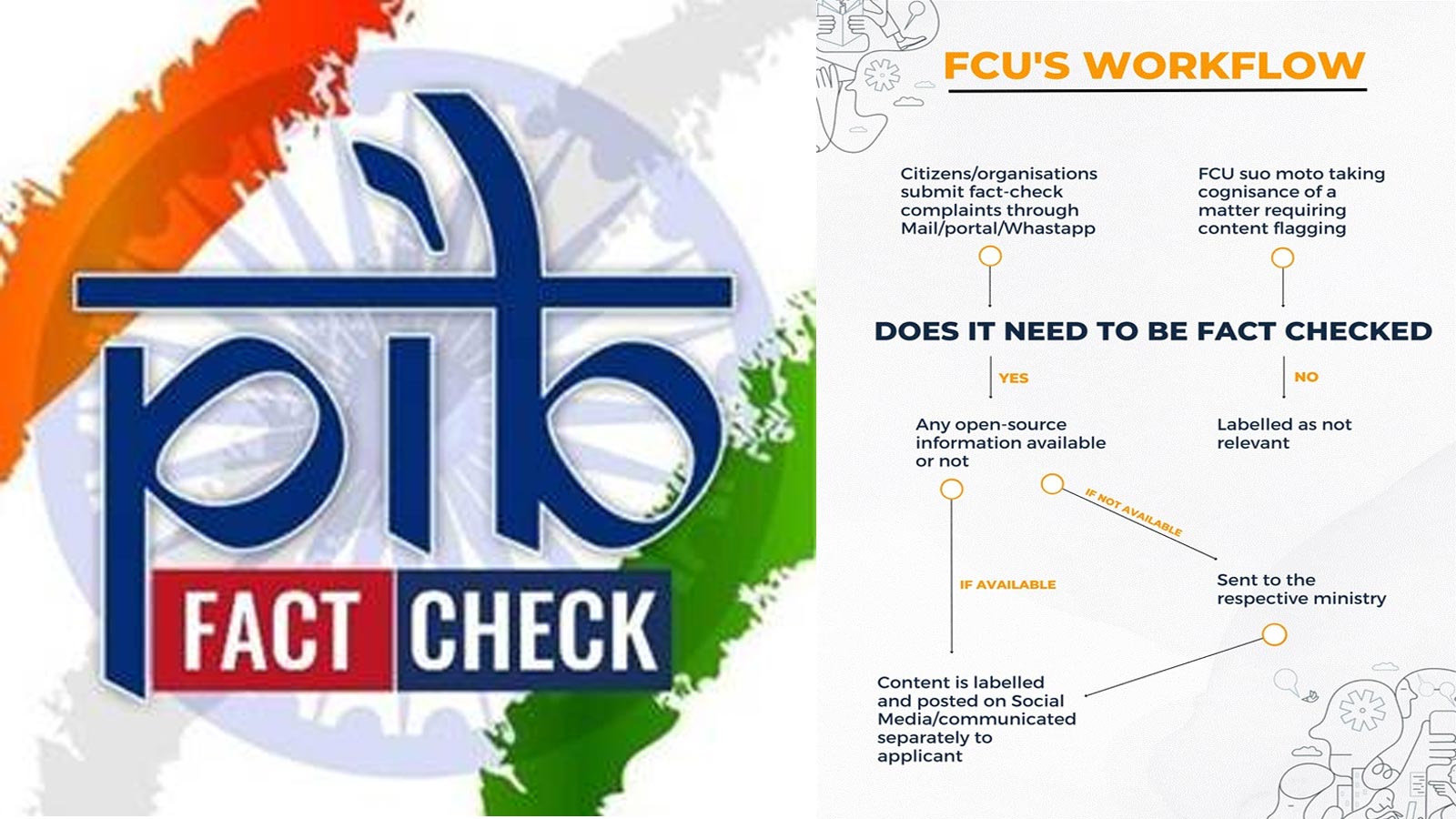
MUMBAI: In the age of viral forwards and deepfake déjà vu, the government’s fact-checkers are working overtime to separate fact from fiction. India’s Press Information Bureau Fact Check Unit (FCU), operating under the Ministry of Information and Broadcasting, has flagged a total of 2,913 instances of fake news and misinformation linked to the Central Government, highlighting the growing scale of the information battle in the digital era.
Tasked with identifying misleading content from AI-generated videos and deepfakes to forged notifications, letters and spoofed websites, the FCU verifies claims using authorised sources before publishing corrections across its social media channels. These include platforms such as X, Facebook, Instagram, Telegram, Threads and WhatsApp, turning the government’s digital presence into a real-time myth-busting network.
But the effort is not just top-down. The FCU has also been nudging citizens to play detective, encouraging users to report suspicious content for verification. The idea is simple: in a landscape where misinformation travels faster than facts, crowd-sourced vigilance can act as an early warning system.
The scale of intervention became particularly visible during Operation Sindoor, when the unit identified and countered a surge of misleading and hostile narratives circulating online. Alongside publishing verified information, the Ministry directed the blocking of more than 1,400 URLs on digital platforms, an aggressive move aimed at containing the spread of false and potentially harmful content.
The broader regulatory backbone for this effort lies in the Information Technology Rules 2021, which set out a Code of Ethics for digital publishers and establish a three-tier grievance redressal mechanism. The framework is designed to hold publishers of news and online curated content accountable, even as the ecosystem grows increasingly complex.
The update was shared in the Lok Sabha by L. Murugan, minister of state for information and broadcasting, in response to a question raised by V. K. Sreekandan.
Together, the numbers tell a clear story: misinformation is no longer a fringe problem but a mainstream challenge. And as the lines between real and manipulated content continue to blur, the battle for credibility is being fought not just in newsrooms but across every screen in the country.






