Connect with us

I&B Ministry

PIB Fact Check Unit flags 2,913 fake claims, blocks 1,400 URLs

Government steps up misinformation fight with FCU and IT Rules framework.

Published

on

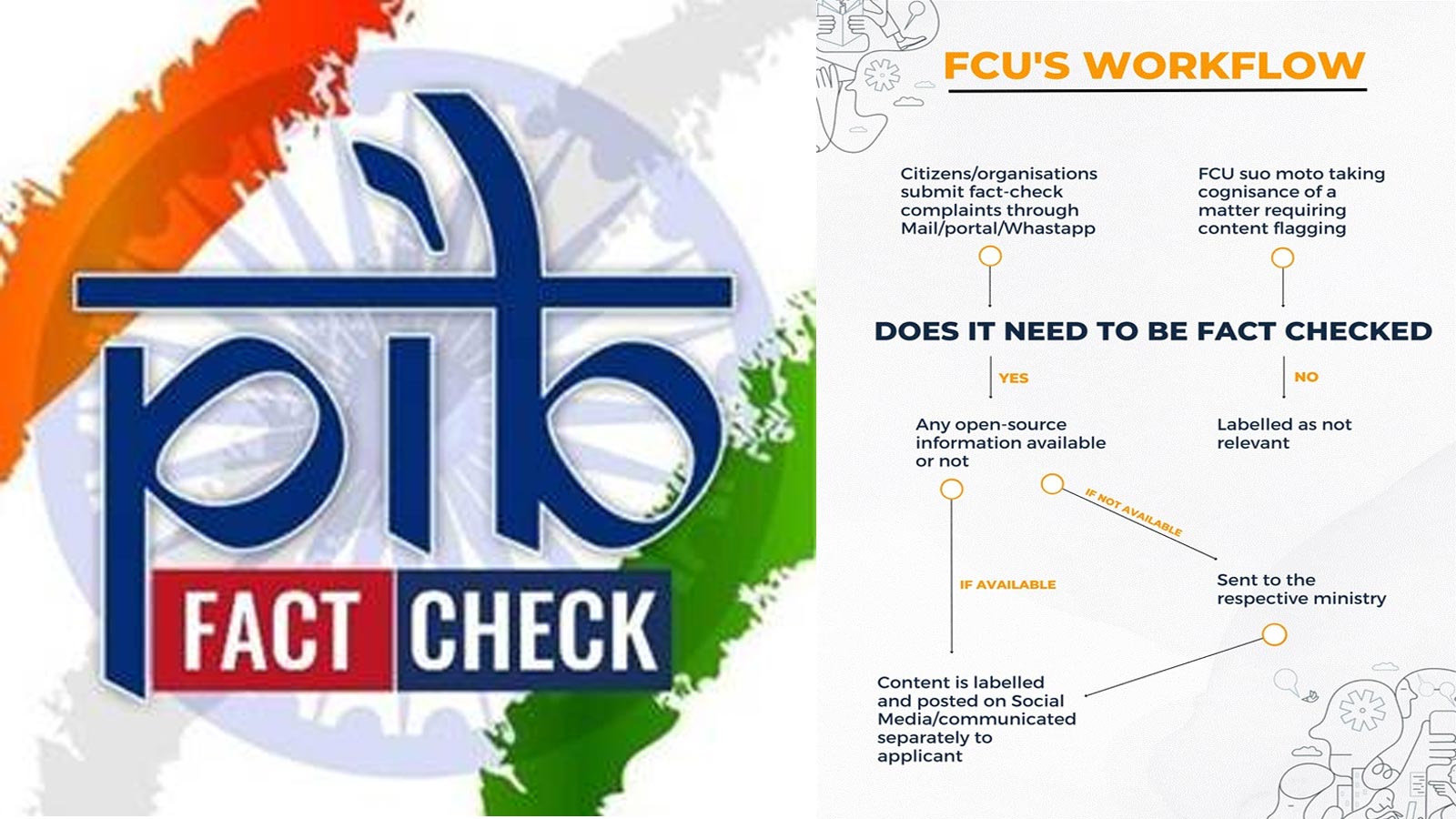
MUMBAI: In the age of viral forwards and deepfake déjà vu, the government’s fact-checkers are working overtime to separate fact from fiction. India’s Press Information Bureau Fact Check Unit (FCU), operating under the Ministry of Information and Broadcasting, has flagged a total of 2,913 instances of fake news and misinformation linked to the Central Government, highlighting the growing scale of the information battle in the digital era.

Tasked with identifying misleading content from AI-generated videos and deepfakes to forged notifications, letters and spoofed websites, the FCU verifies claims using authorised sources before publishing corrections across its social media channels. These include platforms such as X, Facebook, Instagram, Telegram, Threads and WhatsApp, turning the government’s digital presence into a real-time myth-busting network.

But the effort is not just top-down. The FCU has also been nudging citizens to play detective, encouraging users to report suspicious content for verification. The idea is simple: in a landscape where misinformation travels faster than facts, crowd-sourced vigilance can act as an early warning system.

Advertisement

The scale of intervention became particularly visible during Operation Sindoor, when the unit identified and countered a surge of misleading and hostile narratives circulating online. Alongside publishing verified information, the Ministry directed the blocking of more than 1,400 URLs on digital platforms, an aggressive move aimed at containing the spread of false and potentially harmful content.

The broader regulatory backbone for this effort lies in the Information Technology Rules 2021, which set out a Code of Ethics for digital publishers and establish a three-tier grievance redressal mechanism. The framework is designed to hold publishers of news and online curated content accountable, even as the ecosystem grows increasingly complex.

The update was shared in the Lok Sabha by L. Murugan, minister of state for information and broadcasting, in response to a question raised by V. K. Sreekandan.

Advertisement

Together, the numbers tell a clear story: misinformation is no longer a fringe problem but a mainstream challenge. And as the lines between real and manipulated content continue to blur, the battle for credibility is being fought not just in newsrooms but across every screen in the country.


Click to comment

Leave a Reply

Your email address will not be published. Required fields are marked *

I&B Ministry

MeitY proposes continuous labelling for AI-generated content

Draft IT Rules amendments mandate visible labels, feedback open till May 7, 2026

Published

on

MUMBAI: If AI is blurring the line between real and rendered, the government wants the label to do the talking non-stop. The Ministry of Electronics and Information Technology has proposed tighter disclosure norms for AI-generated content, signalling a sharper regulatory push on transparency across digital platforms.

Under draft amendments to the Information Technology (Intermediary Guidelines and Digital Media Ethics Code) Rules, 2021, the Ministry has moved to strengthen how such content is identified. The key shift lies in Rule 3, sub-rule (3), clause (a), sub-clause (ii), where the earlier requirement of “prominent visibility” is being replaced with a stricter mandate labels must now remain “continuous and clearly visible” for the entire duration of the content.

In simple terms, no more blink-and-miss disclaimers. If content is AI-generated, the label must stay on screen, start to finish.

Advertisement

The Ministry has also extended the deadline for stakeholder feedback on the proposed changes to May 7, 2026, widening the consultation window as it seeks industry and public input. The move follows earlier consultation papers released on March 30 and April 10, which addressed intermediary compliance and digital media oversight in light of existing advisories and directions.

Alongside the amendments, the government has released multiple documents, including draft rules covering intermediary obligations, artificially generated information and digital media governance, as well as a consolidated version of the IT Rules incorporating the proposed revisions.

The direction of travel is clear. As AI-generated content becomes more sophisticated and more difficult to distinguish from reality, the regulatory response is shifting from guidance to enforceable visibility.

Advertisement

For platforms and creators alike, the message is straightforward: if it’s generated, it must be declared and not just once, but all the way through.

Continue Reading

Advertisement News18
Advertisement
Advertisement
Advertisement
Advertisement Whtasapp
Advertisement Year Enders

Indian Television Dot Com Pvt Ltd

Signup for news and special offers!

Copyright © 2026 Indian Television Dot Com PVT LTD

This will close in 10 seconds