Regulators
‘Mandatory menstrual leave may hurt women’s jobs’: Supreme Court
Judges suggest a national law could lead to workplace discrimination and bias


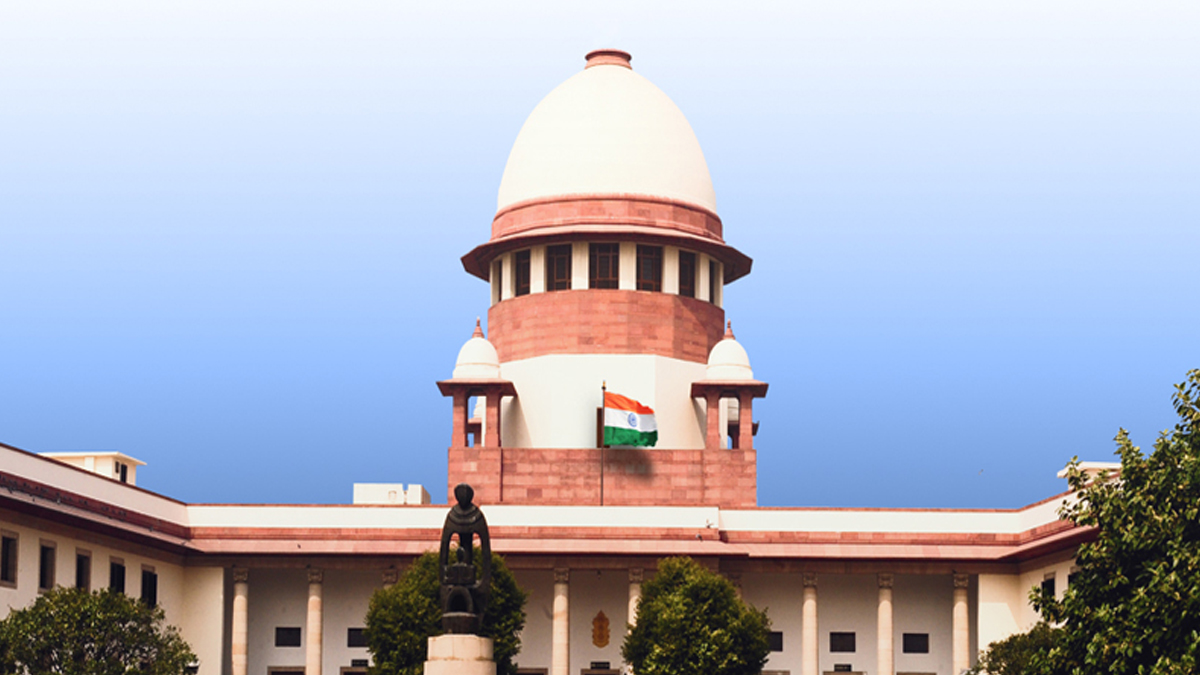
NEW DELHI: The Supreme Court of India has cautioned that legally mandating menstrual leave for women could prove counter-productive, potentially leading to a decline in the hiring of female employees across both the public and private sectors. While hearing a petition seeking a national policy on the matter, a bench led by chief justice Surya Kant and justice Joymalya Bagchi expressed concerns that such a mandate might inadvertently reinforce gender biases.
The court dismissed the writ petition on Friday, instead directing the central government to consider the petitioner’s representation and develop a model policy after consulting all relevant stakeholders.
The chief justice argued that while the intention behind the petition was to support women’s health, the practical reality of the job market could be harsh. He noted that if leave were made compulsory in law, it could create a psychological fear among employers, leading them to view women as less efficient than their male counterparts.
The bench warned that employers might hesitate to recruit women if they are legally required to provide monthly leave, fearing a loss in productivity and operational continuity. Such a requirement, the court suggested, could unintentionally create hiring bias against women in both public and private sectors.
The chief justice also noted that mandatory menstrual leave could affect women’s professional opportunities. If employers assume women may be unavailable for part of each month, they might be less likely to assign them important responsibilities. As an example, the court suggested that women might even be overlooked for roles such as presiding over a normal trial due to assumptions about their availability.
The bench further cautioned that such legislation could create a perception among young women that they have natural issues that prevent them from being at par with men in professional settings, reinforcing stereotypes rather than advancing equality.
The petitioner’s counsel, senior advocate Shamshad, pointed out that several states and private entities have already taken steps toward menstrual equity. Kerala recently granted leave to students in state-run universities, and Karnataka has also formulated its own policy addressing the issue.
However, the court drew a clear distinction between voluntary policies and a blanket national law. The judges observed that when private companies choose to offer such benefits voluntarily, it is generally viewed as a progressive welfare measure that supports employees’ well-being.
Justice Bagchi noted that turning such benefits into a legal requirement could introduce complications for businesses. According to him, transforming voluntary welfare measures into mandatory obligations changes the business model, and employers might begin to view workers as unattractive, if additional legally mandated claims increase operational burdens.
Despite declining to mandate menstrual leave, the Supreme Court reaffirmed its commitment to menstrual health as a fundamental right. The bench referred to a significant ruling from January that recognised menstrual hygiene as an “integral part of a girl child’s right to life, dignity, and health” under Article 21 of the Constitution.
In that ruling, the court issued mandatory directions to governments to ensure free sanitary napkins in schools, the availability of functional gender-segregated toilets, and widespread menstrual health awareness campaigns across educational institutions.
This was the third time the petitioner, lawyer Shailendra Mani Tripathi, had approached the court on this issue. The bench acknowledged that the petition had been filed in the interest of young women, but it held that the judiciary should not issue a positive mandamus directing the government to frame a policy that involves complex socio-economic considerations.
The matter has now been referred to the Union Ministry of Women and Child Development. The government is expected to consult with stakeholders and explore whether a balanced policy can be developed without undermining women’s position in the workforce.