High Court
Delhi High Court seeks Centre’s view on addictive social media design
PIL seeks safeguards over infinite scroll, autoplay and personalised feeds for users


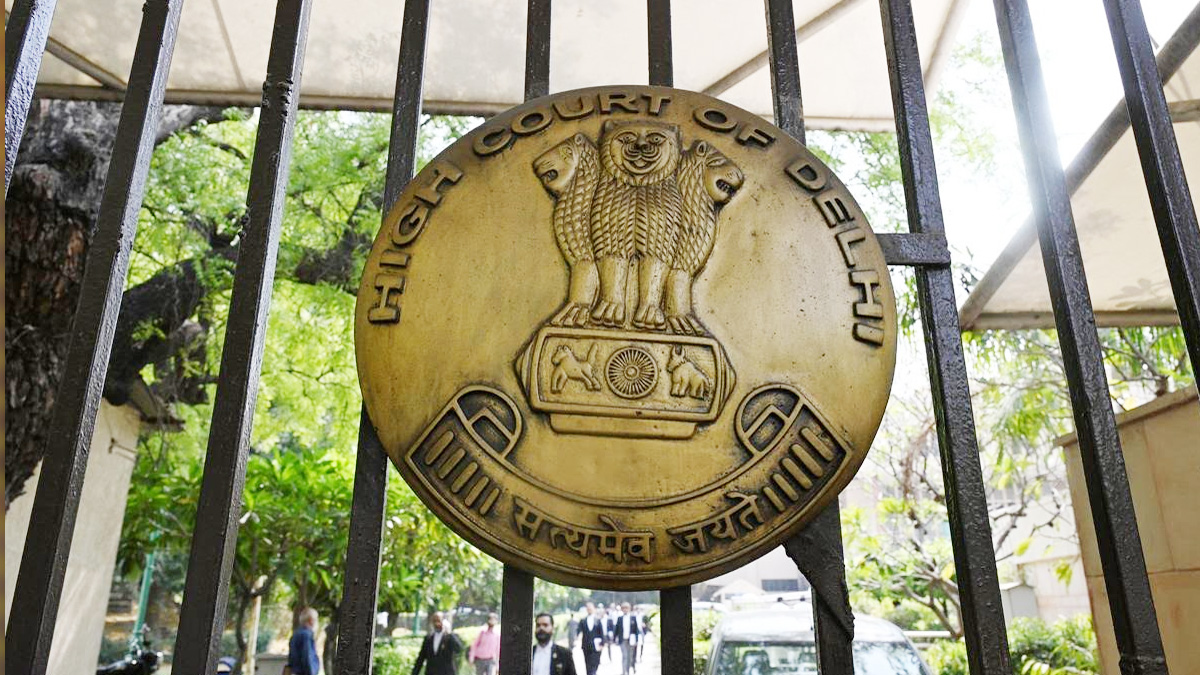
MUMBAI: The scroll may be endless, but the questions around it are now heading deeper into court. The Delhi High Court has sought the Centre’s position on whether it is considering a policy to address social-media design features alleged to encourage prolonged and compulsive use, particularly among teenagers.
A bench of Justices Nitin Wasudeo Sambre and Amit Sharma asked Additional Solicitor General Chetan Sharma to obtain instructions from the government on whether any such policy is under consideration. Sharma told the court that he did not have specific instructions on the issue, according to PTI. The matter will return for hearing after three weeks.
The public interest litigation seeks the formation of an expert committee to examine engagement-driven design features used by social-media platforms and recommend regulatory safeguards.
At the centre of the plea are features such as infinite scrolling, autoplay and personalised feeds. The petitioner alleges that these mechanisms are designed to keep presenting users with fresh content and encourage repeated engagement, potentially making it harder for users to stop browsing.
The petition names Meta Platforms, Alphabet, X and Telegram and also seeks compensation for alleged harm suffered by users. It calls for restrictions on what it describes as addictive design practices across social-media services.
The plea cites the Economic Survey for fiscal 2026, which flagged concerns over social-media addiction and compulsive scrolling. According to the petition, the Survey noted associations between social-media addiction and anxiety, depression, low self-esteem and cyberbullying stress, with young people identified as particularly vulnerable.
It also refers to research by Meta concerning platform design and argues that teenagers may be especially susceptible to features intended to maximise engagement.
The debate has gained another layer following Meta’s recent settlement in the US concerning allegations about Facebook and Instagram’s impact on children and teenagers. In August, Meta agreed to pay up to $18 billion over the next decade and introduce additional restrictions on teenage use of its platforms in a settlement involving nearly all US states.
Under the US settlement, Facebook and Instagram will have a default two-hour daily usage limit for teenagers, although parental controls can override the restriction. Teen access will also be restricted between midnight and 6 am, while notifications will be muted by default during school hours.
Meta has additionally agreed to strengthen age-assurance measures to identify users who may be under 13. The US states had alleged that Meta designed its platforms to encourage addictive use among children and failed to adequately address associated risks. Meta did not admit wrongdoing as part of the settlement.
The Delhi proceedings come amid a wider debate over where regulation should draw the line between platform design, user choice and child protection.
Earlier this year, the Delhi High Court had observed that decisions involving restrictions or bans on children’s access to social media involve policy considerations better left to the government.
The current plea takes a narrower route, focusing instead on the architecture of social-media platforms itself and whether features built to sustain engagement should be subjected to formal scrutiny.
For now, the next move rests with the Centre. The government’s position on whether it is considering such a policy is expected when the case returns to the High Court in three weeks.





