
High Court
Delhi High Court leaves children’s social media curbs to Centre
Court says restrictions are a policy matter as petitioners seek stronger safeguards against CSAM


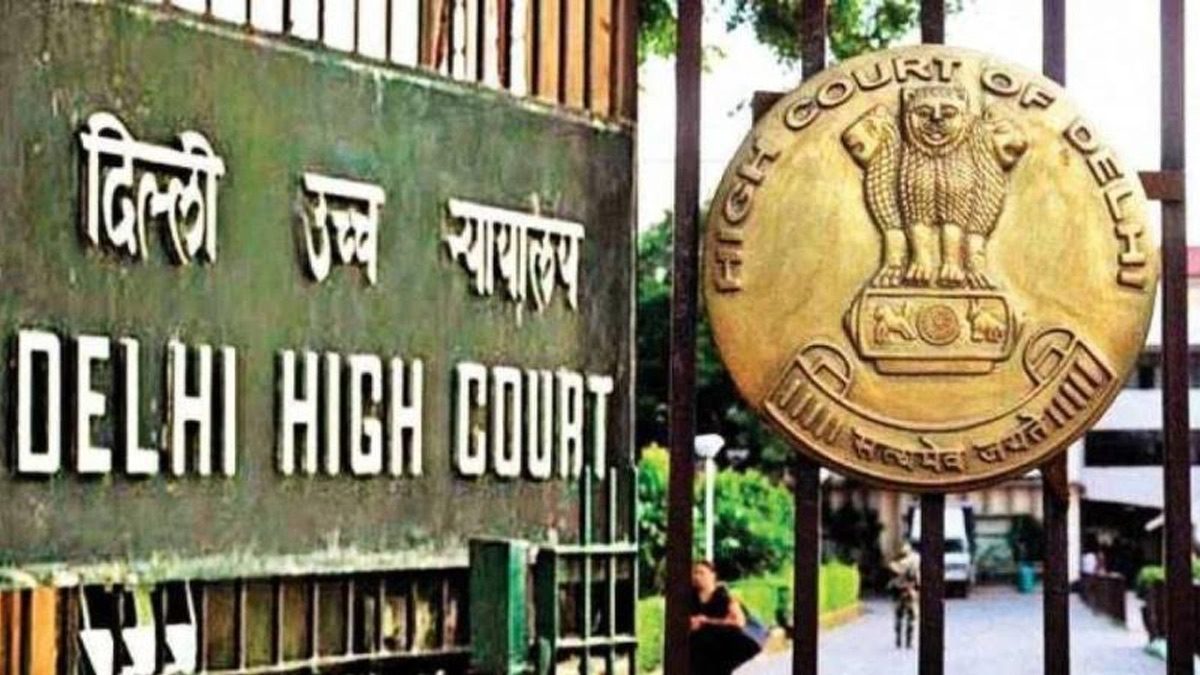
MUMBAI: When it comes to kids and social media, the court is drawing the line at the policy desk. The Delhi High Court has said any decision to restrict or prohibit children’s access to social media falls within the government’s policy domain, leaving the Centre to examine the issue after consulting platforms and other stakeholders.
A Division Bench of Justices V Kameswar Rao and Manmeet Pritam Singh Arora disposed of a public interest litigation seeking restrictions on children’s access to social media and stronger safeguards against child sexual abuse material (CSAM).
The court said the Central government would consider the concerns and suggestions raised by the petitioners while consulting social media intermediaries and other relevant stakeholders. It also made clear that it would not set a deadline for the government to reach a decision.
The PIL was filed by Kirti Dua, mother of a three-year-old child, and paediatrician Dr Sharad Gupta. The petitioners argued that children’s unrestricted exposure to sexually explicit and inappropriate material online could affect their right to life and personal liberty under Article 21 of the Constitution.
They also invoked Article 39(f), which places an obligation on the State to protect children from exploitation.
The petitioners referred to the Economic Survey 2025-26, which had flagged concerns around social media addiction and mental health issues among young people. They argued that voluntary safeguards by platforms were not sufficient and sought binding legal protections.
The plea also sought directions requiring Meta to deploy technological measures and audit mechanisms to identify and remove offending material.
Representing Meta, Senior Advocate Arvind Datar told the court that Facebook and Instagram have implemented extensive systems to detect and remove CSAM.
According to Datar, Facebook’s proactive CSAM detection rate stands at 99.5 per cent, while Instagram’s is 95.2 per cent. He said the platforms use multiple technological methods to identify such material, while acknowledging that some harmful content can still escape detection.
The petitioners, however, sought stronger technological and auditing mechanisms to ensure offending material is identified and removed.
The Bench ultimately declined to prescribe a ban or specific restrictions, placing the broader question of children’s access to social media with the executive.
The order leaves the next move with the Centre, where the debate will now shift from the courtroom to the policy table with children’s online safety, platform responsibility and the limits of regulation all still up for discussion.






